



How to effectively analyze competitive esports VODs to improve team strategy?

Introduction: The Crucial Role of VOD Analysis in Esports
In the high-stakes world of competitive esports, marginal gains can be the difference between victory and defeat. While raw mechanical skill and individual talent are undeniable factors, a deep understanding of strategy, synergy, and opponent tendencies is paramount. This is where VOD (Video On Demand) analysis becomes an indispensable tool. Far more than just re-watching games, effective VOD review is a systematic process designed to dissect past performances, identify patterns, and translate insights into actionable improvements for team strategy.
For any aspiring or established esports team, mastering the art of VOD analysis is not an option, but a necessity. It provides an objective look at decision-making, execution, and coordination, offering a unique opportunity for growth that simply cannot be replicated through live play alone. By methodically breaking down gameplay, teams can uncover hidden weaknesses, reinforce strengths, and develop sophisticated counter-strategies.

Setting the Stage: Preparation is Key
Before diving into a VOD, it’s essential to establish clear objectives. Are you analyzing your own team’s recent loss to understand mistakes? Are you scouting an opponent to identify their playstyle and common setups? Or are you looking to refine a specific aspect of your game, like objective control or early-game rotations? Defining your goals will dictate your focus and make the review process much more efficient.
Equally important is having the right tools. Beyond the game’s native replay system, consider using screen recording software, dedicated note-taking applications (or even a simple notepad), and a shared communication platform for team discussions. Having a system for timestamps, key observations, and potential solutions will streamline the entire analysis.
The First Pass: Broad Strokes and Overview
Begin by watching the VOD through at least once, ideally without interruption. The goal here is to get a holistic understanding of the game’s narrative. Pay attention to major turning points, crucial engagements, and the overall flow of the match. Don’t get bogged down in details yet; simply absorb the big picture. This initial pass helps contextualize specific moments that you’ll analyze in depth later.
Deep Dive: Individual Player Performance
Once you have the overview, it’s time to zoom in. A highly effective method is to watch the VOD from the perspective of a single player at a time. Focus on their positioning, mechanical execution, resource management, and decision-making throughout different phases of the game. Ask questions like:
- Was their positioning optimal for vision, engagement, or disengagement?
- Did they use their abilities/items effectively? Were there missed opportunities or wasted resources?
- Were their decisions timely and appropriate given the game state?
- How did they react to opponent pressure or team calls?
Identifying individual errors and exemplary plays helps players understand their personal impact and areas for improvement.
Team-Level Analysis: Unpacking Synergy and Strategy
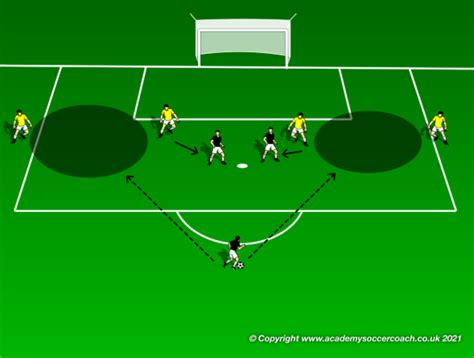
After individual perspectives, shift your focus to the team as a cohesive unit. This is where true strategic insights emerge. Observe:
- Rotations and Map Movement: How effectively did the team move across the map? Were rotations synchronized? Did they gain or lose map control effectively?
- Objective Control: How did the team approach key objectives (e.g., towers, dragons, barons)? Was there proper setup, follow-through, and disengagement?
- Communication (Implied & Explicit): While you might not hear comms, you can infer communication quality from player synchronization. Were calls clear and executed upon? Were there instances of miscommunication or lack of coordination?
- Engage/Disengage: How did the team initiate fights? Was their follow-up strong? Were they able to disengage safely when needed?
- Synergies and Counter-Strategies: How well did hero/champion picks synergize? Did the team adapt to opponent strategies?
This macro-level analysis reveals the effectiveness of current team strategies and highlights areas where coordination needs refinement.

Identifying Patterns and Exploitable Weaknesses
As you meticulously review, look for recurring patterns. These could be common mistakes your team makes under pressure, predictable setups by an opponent, or consistent weaknesses in your composition’s late-game scaling. Document these patterns thoroughly. Understanding your own team’s tendencies (both good and bad) is crucial, as is recognizing an opponent’s predictable habits. This information forms the bedrock of developing effective counter-strategies.
Translating Insights into Actionable Strategy
The analysis is only half the battle; the real value comes from translating observations into practical improvements. Gather your team and discuss your findings. Facilitate an open environment where everyone can contribute. Brainstorm solutions to identified problems. This might involve:
- Developing new default setups or rotational paths.
- Assigning specific roles for objective control.
- Practicing specific engagement or disengagement drills.
- Adjusting pick/ban phases based on opponent tendencies.
Ensure that every identified issue has a clear, actionable solution that can be implemented in practice.

Implementation, Practice, and Iteration
New strategies are only effective if they are practiced and internalized. Take your refined strategies to custom games, scrims, and eventually competitive matches. During practice, actively focus on executing the new plans and observing their effectiveness. After subsequent games, repeat the VOD analysis process to evaluate the impact of your changes. Did the new strategy work as intended? What new problems arose? This continuous loop of analysis, implementation, and re-evaluation is the core of sustainable improvement.

Conclusion: The Continuous Loop of Improvement
Effective VOD analysis is more than just a task; it’s a critical component of a professional esports team’s culture. By systematically dissecting gameplay at both individual and team levels, identifying patterns, and translating insights into actionable strategies, teams can unlock significant improvements in their performance. It fosters a growth mindset, strengthens communication, and ultimately elevates strategic understanding. Embrace VOD analysis as a continuous, iterative process, and watch your team’s strategy and synergy reach new heights in the competitive arena.