How to effectively manage tilt and maintain focus in competitive Esports matches?
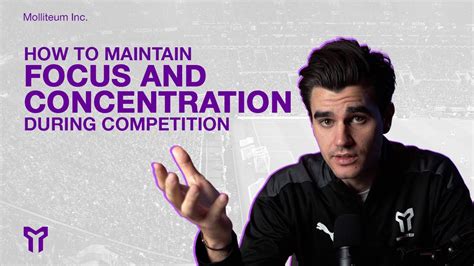
The Invisible Opponent: Understanding Tilt in Esports
In the electrifying realm of competitive Esports, where milliseconds can dictate victory or defeat, a player’s mental state is as crucial as their mechanical skill. ‘Tilt,’ a term borrowed from poker, refers to a state of emotional frustration, anger, or despair that leads to suboptimal play. It’s the invisible opponent that can undermine even the most skilled competitor, clouding judgment, fostering impulsive decisions, and spiraling into a series of costly mistakes. Recognizing and managing tilt is not just about staying calm; it’s about preserving your strategic mind and ensuring you perform at your peak when it matters most.
Tilt can stem from various sources: a frustrating loss streak, a teammate’s error, an opponent’s lucky play, or even personal issues outside the game. Whatever its origin, its impact is universally detrimental. It’s a natural human reaction to stress and failure, but in Esports, allowing it to take hold can lead to a complete breakdown of individual performance and team cohesion.

Early Detection and In-Game Strategies to Combat Tilt
The first step to managing tilt is recognizing its onset. This often manifests as increased heart rate, shallow breathing, clenched jaw, or an urge to blame others or yourself. Self-awareness is your most powerful tool. Once you feel these signs, immediate action is required.
- The Tactical Pause/Deep Breath: If the game allows, a quick tactical pause can be invaluable. Even if not, a conscious effort to take a few slow, deep breaths can calm your nervous system. Inhale deeply through your nose for four counts, hold for four, and exhale slowly through your mouth for six. This simple act can break the cycle of emotional escalation.
- Focus on the Next Play: Instead of dwelling on a past mistake or a lost round, force yourself to look forward. What’s the immediate objective? What resources do you have? What’s your next move? Living in the present moment of the game helps prevent past errors from compounding.
- Reset Your Mentality: Use a mental trigger or a mantra. It could be a simple phrase like “reset,” “next round,” or “focus.” This acts as a circuit breaker for negative thought patterns.
- Communicate Constructively: If playing in a team, avoid yelling or negative criticism. Instead, offer solutions and positive reinforcement. A simple “unlucky, we go again” is far more effective than “why did you do that?”

Pre-Game Preparation and Out-of-Game Prevention
Preventing tilt often begins long before you even queue for a match. Your habits outside the game significantly influence your resilience within it.
- Establish a Solid Pre-Game Routine: This could include light stretching, listening to calming music, reviewing strategies, or a short mindfulness exercise. A consistent routine signals to your brain that it’s time to focus and perform, reducing anxiety.
- Prioritize Physical Well-being: Adequate sleep, proper nutrition, and regular physical exercise are foundational for mental toughness. A tired or poorly nourished brain is far more susceptible to emotional volatility.
- Practice Mindfulness and Meditation: These practices enhance self-awareness and emotional regulation, making it easier to observe and detach from negative emotions rather than being consumed by them.
- Debrief Positively: After matches, especially losses, engage in constructive self-analysis or team debriefs. Focus on what could be improved, not on blaming. Understand that every game is a learning opportunity.

Maintaining Laser Focus Amidst Chaos
Beyond managing tilt, sustained focus is key to consistent high-level play. The competitive environment is inherently chaotic, demanding constant attention and quick adaptation.
- Eliminate Distractions: Ensure your gaming environment is free from external distractions. Turn off notifications, close unnecessary tabs, and inform housemates you’re in a match.
- Set Micro-Objectives: Instead of getting overwhelmed by the overall goal, break it down into smaller, manageable objectives. “I need to get this last-hit,” “I need to hold this angle,” “I need to watch this cooldown.” These small wins build momentum and keep your mind engaged.
- Positive Self-Talk: Replace negative thoughts with empowering ones. Instead of “I always miss this shot,” try “I can hit the next one” or “I will adjust my aim.” Your internal dialogue shapes your performance.
- Enter the ‘Flow State’: This is an optimal state of consciousness where you are fully immersed in an activity, feeling energized and focused. It’s achieved when your skills perfectly match the challenge, leading to a sense of effortless performance. Cultivating this state through practice and mental preparation is the ultimate goal.

Conclusion: The Path to Mental Mastery
Effectively managing tilt and maintaining focus in competitive Esports is an ongoing journey, not a destination. It requires consistent self-reflection, deliberate practice of mental techniques, and a commitment to overall well-being. By integrating these strategies into your routine, you not only improve your individual performance but also contribute to a more resilient and cohesive team environment. Remember, mechanical skill can only take you so far; true champions also master the game within their own mind. Embrace the challenge, learn from every match, and cultivate the mental fortitude that defines a true Esports professional.