How to effectively moderate a gaming community to combat toxicity & foster positive mod discussions?

Gaming communities are vibrant hubs of shared passion, but they can also become breeding grounds for toxicity, ranging from verbal abuse to harassment. For community managers and moderators, the challenge lies not only in curbing negative behavior but also in fostering an environment where constructive discussions and positive interactions flourish. This article delves into the art of effective moderation, focusing on both external community management and internal team dynamics.
Understanding the Landscape of Toxicity
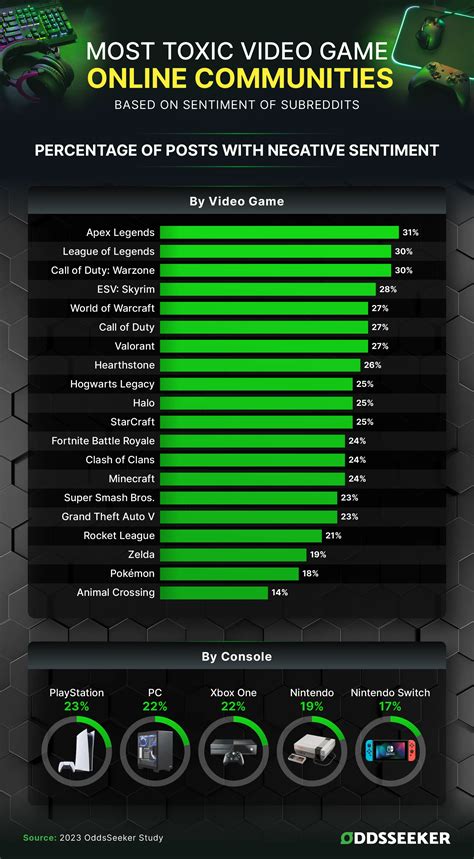
Before implementing solutions, it’s crucial to understand the various forms of toxicity prevalent in online gaming communities. This can include explicit language, hate speech, personal attacks, spamming, trolling, cheating, and even doxing. These behaviors not only ruin the experience for positive players but can also drive away new members and damage the community’s reputation. Addressing toxicity isn’t just about punishment; it’s about setting a standard for behavior that aligns with the community’s values.
The root causes of toxicity are complex, often stemming from anonymity, competitive frustration, lack of empathy, or a desire for attention. Recognizing these underlying factors can help moderators craft more nuanced responses than a simple ban hammer. Education and preventative measures are just as important as reactive ones.
Core Principles of Effective Moderation
A strong moderation strategy is built upon a few fundamental principles:
- Clear Rules and Guidelines: Establish a comprehensive, easy-to-understand set of rules that are accessible to everyone. Clearly define what constitutes unacceptable behavior.
- Consistency: Apply rules uniformly across all members and situations. Inconsistency breeds resentment and undermines trust in the moderation team.
- Transparency: While not every moderation action needs public justification, be transparent about rule changes, major policy shifts, and the general principles guiding moderation.
- Leading by Example: Moderators must embody the positive behavior they wish to see in the community. Professionalism, respect, and calm are paramount.
Strategies for Combating Toxicity
Combating toxicity requires a multi-faceted approach, combining proactive measures with decisive reactive actions:
- Proactive Monitoring: Actively watch chat channels, forums, and social media. Early detection can prevent minor issues from escalating.
- Educational Warnings: For minor infractions, issue warnings that explain which rule was broken and why. This educates users and gives them a chance to correct their behavior.
- Tiered Punishments: Implement a clear system of escalating penalties, from warnings to temporary suspensions, and ultimately permanent bans for severe or repeated offenses.
- Utilize Tools: Leverage moderation tools (chat filters, reporting systems, analytics) provided by platforms to efficiently identify and address issues.
- Empower Positive Members: Encourage and reward positive community members who report rule-breaking, help new players, or contribute constructively.
Fostering Positive Mod Discussions
A moderation team is only as effective as its internal communication and cohesion. Healthy internal discussions are crucial for consistency, learning, and team morale.
Establishing Clear Communication Channels
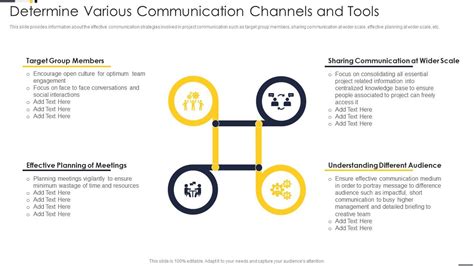
Utilize dedicated platforms like Discord, Slack, or Trello for internal discussions, incident reports, and policy debates. Ensure all moderators have access and understand how to use these tools effectively. Regular check-ins, whether daily or weekly, can keep everyone on the same page.
Regular Meetings and Debriefs
Schedule regular meetings (even short ones) to discuss ongoing issues, review complex cases, and share insights. Debriefing after major incidents or community events helps the team learn and refine its approach. This is an opportunity to discuss challenging situations and arrive at a consensus.
Conflict Resolution within the Team
Disagreements are natural, but they must be handled constructively. Establish a protocol for resolving internal conflicts, focusing on objective facts and the community’s best interest rather than personal opinions. Encourage open and honest feedback in a respectful manner. A designated lead moderator or community manager can act as a mediator.
Encouraging Constructive Feedback and Peer Support
Foster an environment where moderators feel comfortable giving and receiving feedback. This helps individual growth and improves the team’s overall performance. Create a culture of support where team members can share the emotional toll of moderation and receive encouragement from peers. Moderation can be a demanding and thankless job, so internal support is vital.

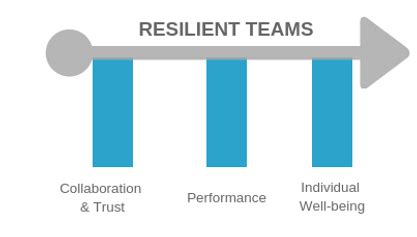
Building a Resilient Moderation Team
A team that is well-supported and well-trained is better equipped to handle the demands of moderation.
- Training and Ongoing Education: Provide initial training on tools, policies, and conflict resolution. Offer ongoing education on new moderation techniques, community trends, and platform updates.
- Burnout Prevention: Moderation can be stressful. Encourage breaks, limit hours, and promote self-care. Recognize signs of burnout and address them proactively within the team.
- Recognition and Rewards: Acknowledge the hard work and dedication of your moderators. Simple ‘thank yous,’ public recognition (if they’re comfortable), or small perks can go a long way in boosting morale and retention.
Ultimately, effectively moderating a gaming community to combat toxicity and foster positive discussions requires a combination of clear rules, consistent enforcement, robust moderation tools, and, critically, a well-communicated and supported moderation team. By investing in both the community and the people who protect it, you can cultivate a thriving, positive environment for all gamers.