How to effectively moderate growing game communities without stifling player expression?
As online gaming communities flourish and expand, the challenge of maintaining a safe, respectful, and vibrant environment becomes increasingly complex. Developers and community managers walk a tightrope: on one side, the need to enforce rules and prevent toxicity; on the other, the desire to foster genuine player expression, creativity, and connection. Stifling legitimate discourse or unique player voices can quickly lead to disengagement, while unchecked negativity can drive players away just as fast. The key lies in developing strategies that allow communities to thrive organically, supported by smart, empathetic moderation.
The Delicate Balance: Nurturing Expression Amidst Growth
A thriving game community is often one where players feel safe to express themselves, share ideas, and connect with others. This freedom fuels creativity, fosters deep engagement, and can even contribute to the game’s evolution through feedback and shared experiences. However, the darker side of online interaction—harassment, hate speech, spam, and unconstructive negativity—can quickly erode these positive aspects. For growing communities, the sheer volume of interactions amplifies both the good and the bad, making moderation an Everest-like task without a proper framework.
Crafting Clear, Concise, and Visible Guidelines
The foundation of effective community moderation is a set of clear, concise, and easily accessible guidelines. These rules should define what is acceptable and unacceptable behavior, language, and content. Rather than merely listing prohibitions, articulate the spirit of the community you aim to build—one of respect, constructive engagement, and shared passion. Make these guidelines prominent: in game, on forums, Discord, and any official community platforms. Regular reminders and transparent explanations of “why” certain rules exist can significantly improve compliance and understanding, especially for new members.
It’s also crucial that these guidelines are regularly reviewed and updated. As a community grows and evolves, so too might the challenges and norms within it. What was acceptable for a small, niche group might not scale to a massive, diverse player base. Soliciting community feedback on guidelines can help foster a sense of ownership and fairness.
Empowering the Community: Player-Led Support and Reporting Tools
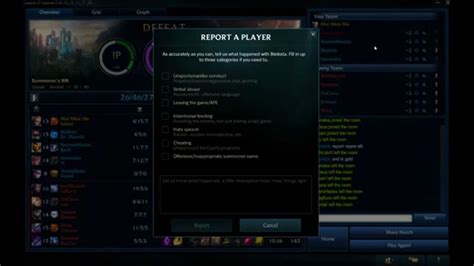
No moderation team, no matter how dedicated, can monitor every single interaction in a large community. Empowering players to become part of the solution is vital. This can involve robust, easy-to-use in-game reporting tools that allow players to flag inappropriate content or behavior efficiently. Equally important is educating players on how to report effectively and assuring them that their reports are taken seriously.
Furthermore, consider implementing a system for community-elected or trusted player moderators. These individuals, often deeply integrated within the community, can act as invaluable first responders, de-escalating situations and guiding new players. They understand the nuances of the community’s culture and can bridge the gap between players and official staff, provided they are properly trained, supported, and held accountable themselves.
Consistency, Transparency, and Education in Enforcement
Inconsistent moderation is worse than no moderation at all, as it breeds resentment and distrust. All moderation actions—from warnings to temporary bans to permanent exclusions—must be applied consistently and fairly, regardless of a player’s status or tenure. Transparency, within reasonable limits, is also key. When a moderation action is taken, players should understand why it happened (without revealing private details about others). An appeal process should also be in place, allowing players to present their case if they feel a mistake was made.
Beyond punitive measures, effective moderation often involves education. Instead of just banning, a warning coupled with an explanation of how the player violated guidelines and what appropriate behavior looks like can be much more effective in changing long-term behavior. This approach treats moderation as a teaching opportunity, fostering a more mindful and respectful community over time.
Fostering Positive Engagement and Conflict Resolution
Effective moderation isn’t just about deleting negative content; it’s also about actively cultivating positive interactions. Create specific spaces within your community for different forms of expression—dedicated channels for fan art, lore discussions, constructive feedback, or even off-topic chatter. Organize community events, contests, or Q&A sessions that encourage positive participation and highlight exemplary community members.
For minor disputes, encourage community-led conflict resolution where possible, perhaps with a moderator acting as a neutral party if necessary. The goal is to guide players toward respectful disagreement and mutual understanding rather than immediately silencing voices. By focusing on building a positive culture, moderation efforts can shift from constantly reacting to actively shaping a more welcoming environment for everyone.

Conclusion
Moderating a growing game community without stifling player expression is a continuous, evolving process that demands flexibility, empathy, and clear strategy. It’s about establishing boundaries that protect the community while providing ample room for creativity, diverse opinions, and genuine human connection. By setting clear guidelines, empowering players, ensuring consistent enforcement, and actively fostering positive engagement, developers and community managers can cultivate vibrant, healthy spaces where players feel valued, heard, and free to express themselves within a framework of mutual respect. The result is a more resilient, engaged, and ultimately more enjoyable game experience for everyone.