How to effectively review an evolving live-service game?

Live-service games have fundamentally reshaped the video game landscape, offering endless progression, evolving narratives, and constant content updates. However, this dynamic nature poses a unique challenge for reviewers accustomed to evaluating static, finished products. How do you assess something that is perpetually in motion, often improving or changing significantly months or even years after its initial launch?
The Shifting Sands of Live-Service Gaming
Traditional game reviews are typically a snapshot in time, offering a definitive judgment on a game at its release. For live-service titles, this approach is inherently flawed. A game that launches in a rough state might evolve into a masterpiece, while a highly praised launch could falter due to poor post-launch support or controversial changes. This necessitates a more adaptive, longitudinal review methodology.
Beyond Launch: Continuous Evaluation
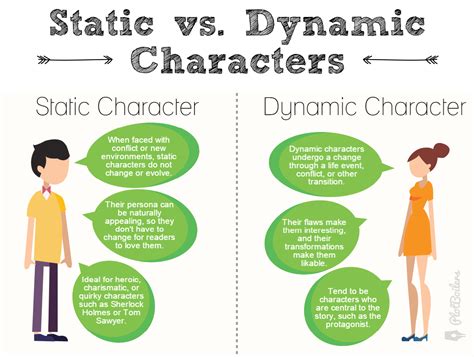
An effective review of an evolving live-service game must acknowledge its iterative nature. This begins with an initial launch review that clearly states it’s a critique of the game *as it stands*. Crucially, reviewers should commit to revisiting the game, providing updates, and even re-evaluating scores or impressions as significant patches, expansions, or seasonal content drops occur. This provides a more accurate and fair representation of the game’s true quality over time.
Key Pillars of an Evolving Review
Several critical aspects demand continuous scrutiny when reviewing live-service titles:
- Core Gameplay Loop and Systems: Does the fundamental gameplay remain engaging? How have new mechanics or balance changes impacted it?
- Content Delivery and Quality: Are updates frequent and meaningful? Is the new content substantial, well-designed, and does it add value?
- Technical Performance and Stability: Have bugs been addressed? Is performance consistent across updates?
- Monetization and Player Value: Are microtransactions fair? Does the game offer good value for its ongoing cost (if any)? Has the economy shifted?
Developer Communication and Community Impact
A significant factor in the success and perception of a live-service game is the developer’s engagement with its community. Transparent communication about roadmaps, bug fixes, and future plans can significantly influence player satisfaction. Reviewers should assess how well developers are listening to feedback, addressing concerns, and fostering a healthy player environment. A game’s community can be its greatest asset or its gravest liability, and its health is a direct reflection of ongoing development.

The ‘Living’ Score: An Adaptive Approach
Some critics advocate for a “living score” or a tiered review system where an initial score is given, followed by updated scores or revised recommendations as the game evolves. While a single, mutable score can be controversial, the principle of ongoing assessment is vital. Reviewers can achieve this by:
- Publishing “State of the Game” articles.
- Updating existing reviews with editor’s notes or new sections.
- Creating separate “expansion reviews” or “season reviews.”
The goal is to provide readers with an accurate understanding of the game’s current standing, acknowledging its journey rather than just its starting point. This manages expectations and informs potential players about whether a game, perhaps once overlooked, has become worth their time, or if a former darling has fallen from grace.

Conclusion: Embracing Evolution
Reviewing evolving live-service games requires a departure from traditional critical paradigms. It demands patience, flexibility, and a commitment to ongoing engagement. By adopting a methodology that prioritizes continuous evaluation, considers developer-community interaction, and openly acknowledges the game’s evolutionary path, reviewers can provide more valuable, relevant, and accurate insights into these perpetually changing digital worlds. It’s not about reviewing a finished product, but charting the course of a living, breathing experience.