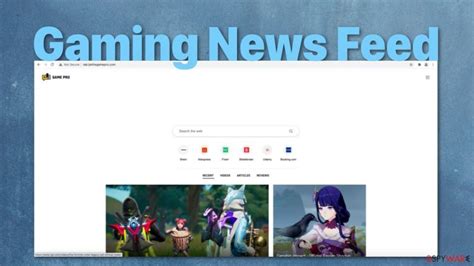
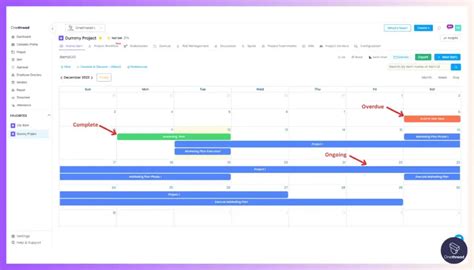
How to efficiently track all critical gaming news: releases, patches, & DLC updates?

Navigating the Dynamic World of Gaming News
The gaming industry is a whirlwind of constant activity, with new titles announced, existing games receiving critical updates, and expansions that reshape gameplay. For dedicated gamers, staying abreast of every significant development – from highly anticipated game releases and essential patch notes to exciting DLC drops – can feel like a full-time job. Missing a crucial update can mean falling behind in a competitive multiplayer scene, missing a limited-time event, or overlooking a game that perfectly suits your tastes. This article will guide you through effective strategies and tools to build your personalized, efficient gaming news tracking system.
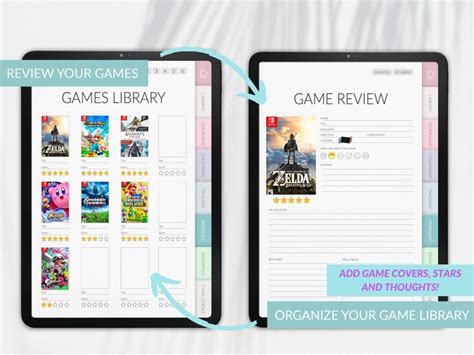
Why Traditional Methods Fall Short for Comprehensive Tracking
While browsing major gaming news sites like IGN or GameSpot is a good start, they often cover a broad spectrum, making it easy for specific, critical updates to get lost in the noise. Relying solely on these general outlets can lead to information overload without the desired precision, especially when you’re looking for granular details on a particular game’s patch notes or the exact release date of a minor DLC.
Similarly, relying solely on word-of-mouth or social media feeds without structure can be haphazard. Important information might be diluted by irrelevant posts, or you might only catch wind of something long after it’s become common knowledge, diminishing its immediate utility.
Establishing Your Multi-Channel Tracking System
1. Leverage Dedicated Gaming News Aggregators & Apps
These platforms are designed to consolidate information from various sources. Services like Metacritic often track release dates, reviews, and sometimes even patch updates for popular titles. Many dedicated gaming news apps allow you to follow specific games or platforms, pushing relevant notifications directly to your device.
- Major Gaming Publications: Still valuable for broad strokes and major announcements (PC Gamer, Eurogamer, Kotaku).
- Platform-Specific Sites: Websites like Push Square (PlayStation), Pure Xbox, or Nintendo Life offer tailored news for console ecosystems.
- Aggregators: Use services like Feedly with gaming RSS feeds, or explore apps built specifically for tracking game releases.

2. Follow Official Developer & Publisher Channels Directly
For the most accurate and timely information on specific games, there’s no substitute for going straight to the source. Developers and publishers are increasingly using their own platforms to communicate directly with their player base.
- Official Websites: Most games have a dedicated section on their developer’s or publisher’s site for news and updates.
- Social Media: Twitter, Facebook, and Instagram are primary communication channels for quick announcements, patch notes, and DLC teasers. Follow the official accounts of your favorite games and studios.
- Discord Servers: Many popular games host active Discord servers where developers often interact directly with the community, offering sneak peeks and immediate updates. These are also excellent for specific patch discussions.
- Newsletters: Sign up for official newsletters from studios and publishers. These often provide curated summaries of recent news and upcoming events.

3. Utilize Gaming Platform Stores & Launchers
Your primary gaming platforms are often overlooked as direct news sources, yet they contain critical information about titles available on their ecosystems.
- Steam, Epic Games Store, GOG: PC launchers frequently announce game releases, sales, and update their game pages with patch notes and DLC information. Wishlists often trigger notifications for sales or releases.
- PlayStation Store, Xbox Store, Nintendo eShop: Console stores update regularly with new releases, pre-order options, and DLC availability. Many have dedicated news sections or social media feeds.
- Library/Game Hubs: Within your game library on any platform, individual game pages often link directly to recent news, patches, and available DLC.

4. Engage with Community Hubs & Content Creators
The gaming community itself is a vibrant source of information, often dissecting news and providing valuable insights.
- Reddit: Subreddits like r/gaming, r/pcgaming, r/PlayStation, or game-specific subreddits are hotbeds for discussions around new releases, patches, and community findings. Follow relevant subs and sort by “New” or “Hot.”
- YouTube & Twitch: Gaming news channels and content creators often break down complex patch notes, review new DLC, and cover game announcements in an accessible format. Subscribing to a few trusted channels can keep you informed.

Crafting Your Personalized Gaming News Hub
The key to efficiency isn’t just knowing where to look, but how to consolidate and filter the information. Create a “news dashboard” by:
- Categorizing Your Interests: Group games by genre, platform, or level of interest (must-track vs. casual interest).
- Setting Up Alerts: Use notification features on official social media, Discord, and gaming apps. Set Google Alerts for specific game titles.
- Curating Your Feeds: Unfollow irrelevant accounts. Prioritize official sources and reputable news outlets.
- Scheduling Check-ins: Dedicate specific times each week to review your consolidated news sources rather than constantly chasing updates.
Conclusion
By adopting a multi-pronged approach that combines official developer communications, dedicated news aggregators, platform stores, and active community engagement, you can build a robust and efficient system for tracking all critical gaming news. This strategic methodology ensures you stay ahead of the curve, never missing out on essential releases, game-changing patches, or exciting DLC that enriches your gaming experience.