How to efficiently track new game releases & critical updates for your platform?
The Imperative of Staying Ahead in the Gaming Landscape
In the fast-paced world of video games, missing a new release or a critical platform update can have significant repercussions, whether you’re a developer, a content creator, a platform manager, or even a dedicated community leader. Staying informed is not just about convenience; it’s about maintaining a competitive edge, ensuring compatibility, engaging your audience, and leveraging new opportunities as soon as they arise. The sheer volume of information, however, can be overwhelming. How do you cut through the noise and efficiently track what truly matters for your specific platform and audience?

Leveraging Official & Industry Channels
The most direct way to track new game releases is by following official developer and publisher channels. Subscribe to newsletters, follow their social media accounts, and regularly check their official blogs and news sections. Many companies offer dedicated press portals with early announcements and media kits. Complementing this, industry news sites and aggregators serve as vital hubs for broader announcements. Websites like IGN, GameSpot, PC Gamer, and Eurogamer provide daily updates, reviews, and previews. For a more data-driven approach, sites like Metacritic and OpenCritic compile review scores and often list upcoming releases with dates.
Furthermore, specialized trade publications and investor relations sections of public companies can offer insights into strategic shifts, upcoming IP, and larger-scale project timelines that might not be immediately visible through consumer-facing news.
Platform-Specific Developer Portals & Third-Party Tools
For those managing or developing for specific platforms (e.g., PC via Steam, consoles like PlayStation, Xbox, or Nintendo Switch, or mobile ecosystems), the respective developer portals are indispensable. Steamworks, PlayStation DevNet, Xbox Creators Program, and Nintendo Developer Portal provide direct access to SDK updates, policy changes, certification requirements, and often an early look at upcoming features or important maintenance schedules. These are crucial for ensuring your games or applications remain compliant and optimized.
Beyond official channels, a growing number of third-party tools and services are designed specifically for tracking game releases. Websites like ReleaseCalendar.com (hypothetical) or apps that aggregate news and release dates can centralize your information stream. Some even offer API access, allowing for custom integration into your own dashboards or internal tracking systems. Leveraging community-driven databases like those found on Reddit (e.g., r/Games, r/GamingLeaksAndRumours) or specialized Discord servers can also provide early alerts, though information here should always be cross-referenced for accuracy.
Monitoring Critical Platform Updates & Policy Changes
New game releases are only half the battle. Critical platform updates, SDK changes, API modifications, policy revisions, and security patches can significantly impact your existing titles or development roadmap. Ignoring these can lead to compatibility issues, compliance failures, or missed opportunities to leverage new features. Set up automated alerts for official developer blogs, technical documentation updates, and forum announcements within the platform’s developer community.
RSS feeds from relevant sections of platform documentation or status pages are incredibly useful for passive monitoring. Google Alerts can also be configured to notify you of specific keywords related to your platform or technology stack. For more complex setups, consider custom scripts that periodically scrape known announcement pages or API endpoints for changes, pushing notifications to a centralized communication channel like Slack or Microsoft Teams.
Implementing a Centralized Tracking Strategy
An ad-hoc approach to tracking will inevitably lead to missed information. The key to efficiency is a centralized, systematic strategy:
- Designate Responsibilities: Assign specific team members to monitor different sources (e.g., one for console updates, another for PC releases, a third for industry news).
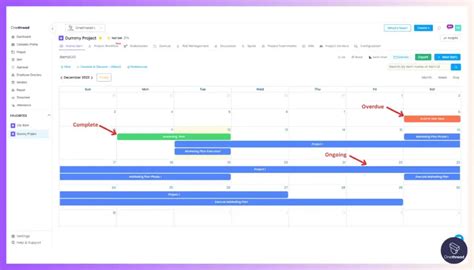
- Centralized Dashboard: Utilize a project management tool (Jira, Trello, Asana) or a custom internal dashboard to log all relevant releases, updates, and policy changes. Include key details like release dates, affected platforms, potential impact, and action items.
- Scheduled Reviews: Hold regular (e.g., weekly or bi-weekly) meetings to review newly tracked information, discuss implications, and adjust priorities.
- Automated Feeds & Alerts: Implement RSS readers, Google Alerts, and custom notification systems to funnel information into your central dashboard or communication channels.
- Community Engagement: Actively participate in relevant developer forums and communities to gain early insights and informal feedback.

By combining manual oversight with automated tools and a structured process, you can transform the daunting task of tracking into a streamlined operation. This proactive approach ensures your platform, games, and content remain relevant, compliant, and poised to capitalize on every new development in the dynamic gaming industry.