





How to efficiently update gaming guides for new patches & DLC?
In the fast-paced world of gaming, titles are constantly evolving. New patches bring balance changes, bug fixes, and quality-of-life improvements, while DLCs introduce entirely new characters, maps, story content, and mechanics. For creators of gaming guides, this dynamic environment presents a significant challenge: how do you keep your guides accurate, relevant, and comprehensive without getting overwhelmed?
The Dynamic Landscape of Gaming Guides
Gone are the days when a game’s launch guide would remain definitive for years. Modern games, especially live-service titles, are fluid entities. Player expectations are high; they rely on guides for optimal strategies, build optimizations, and quest walkthroughs that reflect the game’s current state. An outdated guide is not just unhelpful; it can actively mislead players, diminishing its value and your credibility.
The key to success lies in developing a systematic and efficient approach to content updates. This isn’t just about speed, but also about accuracy, clarity, and maintainability. Let’s explore strategies that can transform guide updates from a daunting chore into a streamlined process.

Pre-Patch Preparation: Laying the Groundwork
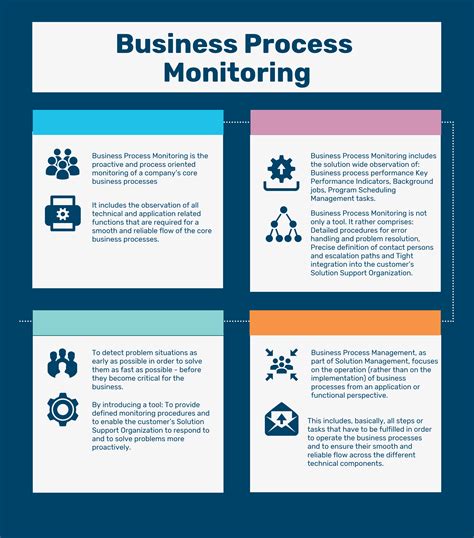
Efficiency begins before a patch or DLC even drops. Proactive monitoring and structured preparation can drastically reduce the scramble once new content is live. Start by closely following official developer announcements, public test realms (PTRs), beta programs, and reliable data-mining sources. This gives you a head start on understanding upcoming changes.
Create a dedicated ‘change log’ document or section for each guide. As soon as potential changes are announced, note them down. Categorize them (e.g., character buffs/nerfs, item changes, new mechanics, map alterations). This preliminary research allows you to anticipate which sections of your guides will require attention and begin formulating initial hypotheses about their impact.
During-Patch Execution: Rapid Response and Deep Dive
When a patch or DLC goes live, prioritize. Not every change warrants an immediate, full-scale guide overhaul. Focus on critical updates first: game-breaking bugs, major balance shifts that invalidate popular strategies, or essential new content walkthroughs. Publish quick, concise updates for these high-impact changes, perhaps with a clear ‘WIP’ (Work In Progress) tag, letting users know you’re actively working on a comprehensive revision.
Implement incremental updates rather than waiting for a complete rewrite. Update specific paragraphs, tables, or sections as you verify changes. Utilize a version control system (even a simple dated archive of previous guide versions) to track modifications and easily revert if necessary. Collaborate with community members or a small team for testing and verification if possible.
Post-Patch Refinement: Accuracy and User Feedback
Once the initial rush is over, it’s time for comprehensive testing and refinement. Play through the new content, experiment with different builds, and thoroughly test any mechanics that have changed. Update screenshots, videos, and graphical elements to reflect the current game state. Ensure all links and references within your guide are still valid and accurate.
Actively solicit and incorporate user feedback. Your audience often discovers nuances and unintended consequences faster than a single creator can. Create channels for feedback, whether it’s comment sections, forums, or social media. Be transparent about changes you’ve made and those you’re still investigating. This builds trust and provides invaluable crowdsourced quality assurance.

Leveraging Tools and Techniques for Efficiency
Several tools and techniques can significantly enhance your update workflow. Content Management Systems (CMS) with robust editing features, version history, and modular content blocks are invaluable. Designing guides with a modular structure (e.g., separate sections for items, skills, quests) makes it easier to update individual components without affecting the entire guide.
Consider using ‘diff’ tools to compare new patch notes against your existing content, highlighting exact textual changes. Employ structured data (like tables or JSON for game data) where possible, as it’s easier to programmatically update or cross-reference. Macros or templating systems can automate repetitive formatting tasks, freeing up time for actual content analysis and writing.
Building a Sustainable Update Workflow
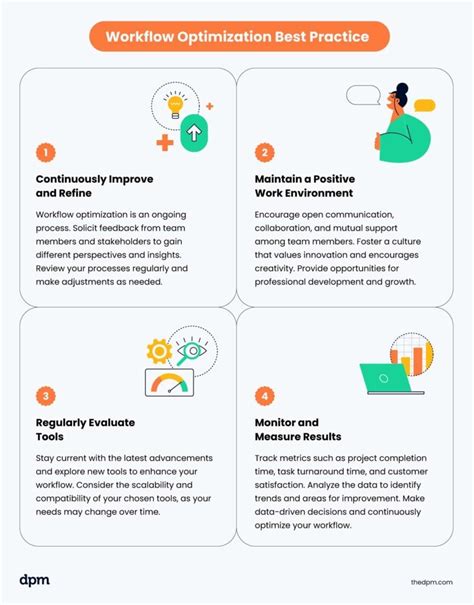
Ultimately, efficiency in guide updates comes down to building a sustainable workflow. Schedule regular review periods for your most popular or frequently impacted guides, even in the absence of a new patch. Document your update process, so it can be replicated or delegated if your guide-creating efforts grow. By treating guide maintenance as an ongoing project rather than a reactive task, you ensure long-term accuracy and relevance.
Conclusion
Updating gaming guides for new patches and DLC is an integral part of being a successful content creator in today’s gaming landscape. By adopting a proactive mindset, segmenting your update tasks, leveraging available tools, and engaging with your community, you can streamline the process, maintain high-quality content, and continue to be a trusted resource for players navigating the ever-changing worlds of their favorite games.



