How to efficiently update long-form game guides after major patches or DLC?
Major game patches and new DLC releases are exciting for players, but for guide writers, they often signal a period of intense work. Long-form game guides, meticulously crafted over hundreds of hours, can become obsolete overnight. The challenge lies in efficiently integrating new information, correcting outdated data, and ensuring your guide remains a valuable resource without dedicating an unreasonable amount of time. This article explores effective strategies to streamline the update process, keeping your guides accurate, relevant, and your sanity intact.
Preparation is Key: Structuring for Future Changes
The most efficient update process begins long before a patch or DLC even drops. Designing your guide with future changes in mind can drastically reduce the workload. Adopt a modular approach where sections like “Character Builds,” “Item Lists,” or “Quest Walkthroughs” are distinct and easily editable. This allows you to update specific paragraphs or tables without overhauling an entire chapter.
Furthermore, vigilant monitoring of official developer channels (patch notes, developer streams, public test realms) is crucial. Early access to change logs can give you a significant head start, allowing you to anticipate what will need updating and even draft preliminary changes.
Streamlining the Live Update Process
Once the patch or DLC goes live, prioritize changes based on their impact. Core game mechanics, critical item stats, or major questline alterations should take precedence over minor bug fixes or cosmetic additions. Implement a “quick fix” strategy for immediate critical errors, then follow up with a more comprehensive overhaul. A dedicated “changelog” section within your guide can also be incredibly helpful for readers, clearly outlining what has been updated.
Utilizing a staging environment or a private draft page for significant updates allows you to work without disrupting the live guide. This also facilitates testing and peer review before publishing. Engage with your community; they are often the first to discover subtle changes or new optimal strategies, providing invaluable real-time feedback.
Post-Update: Verification and Refinement
After implementing the initial updates, thorough verification is non-negotiable. This often involves significant in-game playtesting to confirm changes, verify new interactions, and discover undocumented alterations. Don’t rely solely on patch notes; actual gameplay can reveal nuances not captured in official communications. Ensure all links, screenshots, and embedded videos within your guide are still relevant and functional.
Consider the Search Engine Optimization (SEO) impact of your updates. While your primary goal is accuracy, subtle adjustments to keywords or headings might be beneficial if the patch introduces new terminology or popular search terms. Finally, actively communicate the updates to your readership through social media or dedicated announcement sections on your platform, reinforcing your guide’s reliability.

Leveraging Tools and Collaborative Workflows
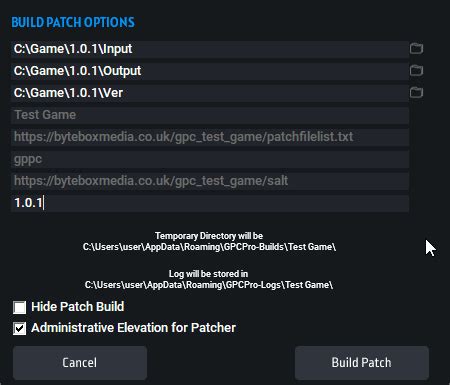
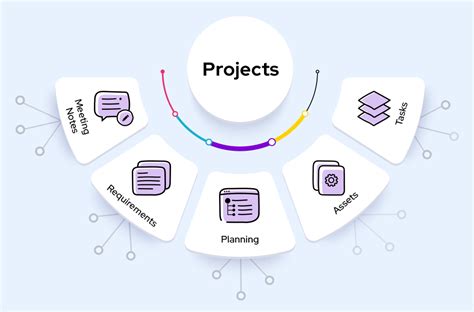
For extensive guides, relying solely on memory or simple word processors is inefficient. Project management tools (like Trello or Asana), dedicated wiki platforms, or even detailed spreadsheets can help track changes, assign tasks (if working in a team), and manage the overall update process. Version control systems, similar to those used in software development, can also be adapted to track revisions of your guide content, allowing for easy rollbacks if needed.
If you’re part of a larger team, establishing clear communication channels and roles is vital. Designate individuals responsible for specific sections or for monitoring particular game aspects. Regular sync-ups can ensure everyone is aware of progress and potential overlaps.
Conclusion: Maintaining Guide Longevity
Efficiently updating long-form game guides after major patches or DLC is an ongoing commitment, but it doesn’t have to be an overwhelming one. By adopting a proactive, modular approach to guide structure, prioritizing changes effectively, thoroughly verifying updates through playtesting, and utilizing appropriate tools and collaboration strategies, you can maintain the accuracy and relevance of your content with significantly less stress. Your dedication ensures your guides remain the go-to resource for a constantly evolving gaming landscape.