





How to efficiently update our live service game guides post-patch for accuracy?
In the ever-evolving world of live service games, a patch can drop at any moment, fundamentally altering gameplay mechanics, character abilities, item statistics, or even entire questlines. For players relying on comprehensive game guides, the moment a patch goes live is a race against time. The challenge for guide creators is immense: how do you efficiently update your content to reflect these changes accurately and swiftly, ensuring your community always has access to the most current information?
The Dynamic Nature of Live Service Games
Live service games are designed for continuous evolution, which is their strength but also a significant hurdle for static documentation. Patches often introduce new content, balance changes, bug fixes, and quality-of-life improvements. Each of these can render parts of a guide obsolete, leading to player frustration if not addressed promptly. The key to efficiency lies in a proactive approach combined with a rapid response mechanism post-patch.

Pre-Patch Strategies: Prepare for the Inevitable
Efficiency in guide updates begins long before a patch is even released. Establishing strong communication channels with developers is paramount. If possible, gaining early access to patch notes, change logs, or even a test environment can provide invaluable lead time. This allows your guide team to:
- Anticipate Changes: Identify which sections of existing guides are most likely to be affected.
- Draft Initial Revisions: Create preliminary updates based on developer insights, ready for quick deployment.
- Assign Responsibilities: Designate specific team members to focus on particular game aspects (e.g., character builds, zone maps, item databases).
Having a robust content management system (CMS) that supports version control and collaborative editing also streamlines this preparatory phase, allowing multiple contributors to work on different sections simultaneously without conflicts.
Post-Patch Execution: Rapid Response and Validation
Once a patch goes live, the focus shifts to immediate validation and deployment. This phase demands speed and precision:
1. Initial Triage and Verification
Immediately cross-reference pre-release information with the live patch notes. Prioritize updates based on impact – major balance changes or new mechanics take precedence over minor tweaks. A dedicated ‘patch day’ team can quickly skim the notes and identify critical areas requiring attention.

2. Leveraging Community & Player Feedback
Your player community is an invaluable resource. Encourage them to report outdated information or new discoveries. Set up specific channels (e.g., forum threads, Discord channels) for feedback post-patch. While not every piece of feedback will be accurate, it can highlight areas that require immediate attention and verification by your team.
3. Modular Content Design
Design your guides with modularity in mind. Instead of monolithic blocks of text, break content into smaller, self-contained units. This allows for quick, surgical updates to specific sections without needing to overhaul an entire guide. For instance, item stats can be in a separate database from quest walkthroughs.
Tools and Technologies for Streamlined Updates
Several tools can significantly enhance efficiency:
- Content Management Systems (CMS) with Version Control: Systems like WordPress with revision history, custom wikis, or dedicated documentation platforms allow tracking changes, rolling back errors, and managing multiple editors.
- Automated Data Parsers: For games with publicly accessible data APIs (e.g., item databases, skill trees), automated scripts can pull updated information directly, reducing manual entry.
- Collaboration Tools: Slack, Discord, Trello, or Jira can facilitate real-time communication, task assignment, and progress tracking among your guide team.
- Internal Change Tracking: Maintain an internal log of which guides were updated, by whom, and when. This helps identify bottlenecks and ensure comprehensive coverage.

Maintaining Quality and Consistency
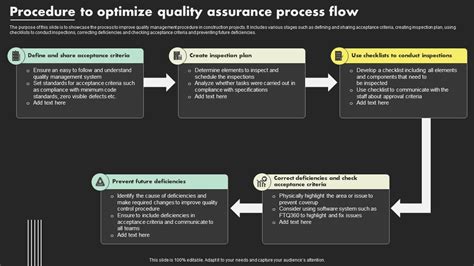
Speed is important, but not at the expense of accuracy and quality. Implement a quick review process for all major updates. Even a brief peer review can catch errors before they go live. Establish style guides and formatting standards to ensure consistency across all updated content, making it easier for users to navigate and understand.
Conclusion
Efficiently updating live service game guides post-patch for accuracy is an ongoing commitment rather than a one-time task. It requires a blend of foresight, rapid execution, smart tooling, and a collaborative spirit. By establishing strong developer relationships, preparing meticulously, responding quickly post-patch, and leveraging both technology and community feedback, guide creators can ensure their valuable resources remain accurate, trustworthy, and indispensable for the player base.



