How to ensure objective game reviews despite publisher early access?

The Early Access Dilemma: Opportunity vs. Compromise
Publisher early access programs have become standard practice in the video game industry, offering reviewers a crucial head start to thoroughly evaluate complex titles before their public launch. This early access provides invaluable time for deep dives into gameplay mechanics, story elements, performance, and potential bugs. However, it simultaneously introduces a potential conflict of interest, raising valid questions about the objectivity and independence of the resulting reviews. The core challenge lies in balancing the benefits of early access – comprehensive coverage and timely reviews – with the imperative to deliver unbiased assessments that genuinely serve the consumer.
It’s a tightrope walk for reviewers and publications alike, requiring robust ethical frameworks and a commitment to journalistic integrity.

Why Objectivity is Paramount in Game Reviews
In an industry where marketing budgets often dwarf development costs, game reviews serve as a vital, independent voice for consumers. They guide purchasing decisions for a significant investment of time and money. When reviews are perceived as compromised, whether due to actual bias or the appearance of it, the trust between reviewer and audience erodes. This trust is the bedrock of credible journalism, and its loss can undermine the entire ecosystem of critical analysis, leaving consumers without reliable guidance.
The primary goal of a game review should be to provide a fair, balanced, and insightful evaluation of a product’s merits and flaws, helping players decide if a game is right for them, irrespective of any pre-release access arrangements.
Strategies for Reviewers: Upholding Independence
Individual reviewers are the frontline defense against bias. Several practices can reinforce their objective stance:
- Full Disclosure: Always clearly state that the game was provided via an early access program or as a review copy. Transparency builds trust.
- Strict Ethical Guidelines: Adhere to a personal code that forbids accepting gifts, favors, or any form of special treatment beyond the review copy itself. Maintain professional distance from developers and publishers.
- Focus on the Final Product: While early access provides a look, reviews should ideally reflect the experience players will have at or shortly after launch, accounting for Day One patches. If reviewing a pre-release build, clearly state its provisional nature.
- Independent Research & Context: Don’t rely solely on publisher-provided information. Cross-reference claims, test features thoroughly, and provide context from industry trends or previous titles.
- Prioritizing Player Experience: The review’s primary loyalty must be to the reader/viewer, not the developer. Highlight issues that will impact the player, even if they are uncomfortable truths.
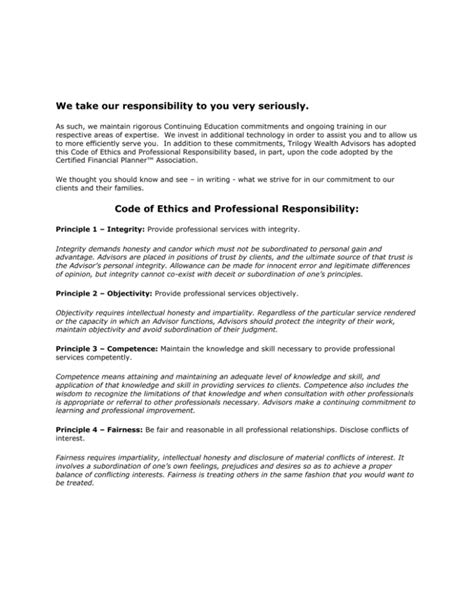
The Role of Publications: Editorial Safeguards
Reputable publications play a crucial role in supporting their reviewers and ensuring editorial integrity:
- Editorial Independence: Establish clear firewalls between the editorial team and advertising or business development departments. Review scores and content must never be influenced by commercial relationships.
- Consistent Policies: Implement and enforce explicit policies regarding early access, review embargoes, and the acceptance of review copies. These policies should be transparent to both staff and the public.
- Diverse Perspectives: Employ a diverse team of reviewers with varied tastes and backgrounds to mitigate individual biases and offer a broader critical lens.
- Post-Launch Updates: Encourage or mandate updates to reviews if significant changes (e.g., major patches, content additions) occur post-launch, acknowledging that early access sometimes means reviewing an evolving product.
- Training and Support: Provide ongoing training on ethical reporting, critical analysis, and technical testing for reviewers.

The Audience’s Responsibility: Critical Consumption
Ultimately, the onus isn’t solely on reviewers and publications. Consumers also play a vital role in fostering an environment of objective reviews by:
- Reading Critically: Don’t just look at the score. Read the entire review to understand the nuances, pros, and cons.
- Seeking Multiple Sources: Consult reviews from various outlets and independent critics to get a well-rounded perspective.
- Recognizing Potential Bias: Be aware of the mechanisms that could influence a review (e.g., strong brand loyalty from a reviewer, exclusive early access events).
- Engaging Constructively: Provide feedback to publications when you feel a review falls short or excels, encouraging higher standards.

The Future of Game Review Objectivity
As the game industry continues to evolve with live service models, frequent updates, and continuous development, the challenge of objective reviews will persist. The key lies in adaptation – publications and reviewers must continuously refine their ethical frameworks, embrace transparency, and prioritize the audience’s need for honest, independent insight. Early access, while a powerful tool, must always be handled with the utmost care to prevent the erosion of critical integrity. By committing to these principles, the game review landscape can remain a trustworthy guide for millions of players worldwide.