





How to fairly review live-service games post-launch?
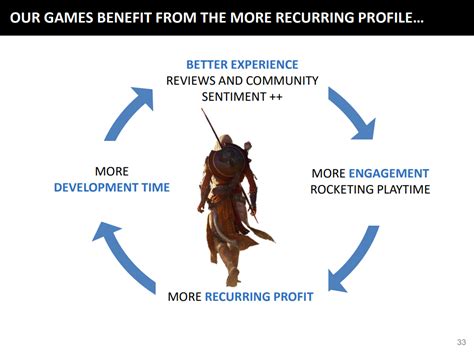
The Unique Challenge of Live-Service Game Reviews
Traditional game reviews are snapshots in time, evaluating a product at its launch. For live-service games, however, launch is merely the beginning of an ongoing journey. These titles, built on continuous updates, evolving meta-games, and dynamic communities, pose a significant challenge to conventional review methodologies. How can critics provide fair, relevant, and comprehensive evaluations when the subject is a constantly moving target?

Shifting the Paradigm: From Static to Dynamic Evaluation
Fairly reviewing a live-service game post-launch requires a fundamental shift in perspective. Reviewers must embrace a dynamic approach, understanding that the game’s quality and value are not fixed, but rather fluctuate with each major patch, content drop, and community interaction. This isn’t about re-reviewing the game from scratch every few months, but rather establishing a framework for continuous assessment of key aspects.
Key Pillars for Post-Launch Assessment:
1. Content Cadence and Quality
The lifeblood of any live-service game is its steady stream of new content. A fair review must evaluate not just the quantity but also the quality and relevance of new additions. Are updates meaningful? Do they address player feedback? Is the pace sustainable and engaging? A game with frequent but shallow updates might be less compelling than one with less frequent but impactful ones.

2. Community Engagement and Responsiveness
The best live-service games build strong communities and actively listen to their players. A crucial aspect of a post-launch review is to assess how developers interact with their player base. Are bugs being addressed? Is feedback being acknowledged and, where appropriate, implemented? Transparency, communication, and a willingness to adapt are vital indicators of a game’s long-term health and player respect.
3. Monetization Practices and Value Proposition
Monetization is often a contentious area in live-service games. Reviews must scrutinize the fairness, transparency, and impact of in-game purchases. Does the monetization model feel predatory, or does it offer genuine value without creating pay-to-win scenarios? Is cosmetic content reasonably priced? A fair review should consider the overall value players receive for their investment, both in time and money.

4. Technical Stability and Performance
While often evaluated at launch, technical stability remains critical post-launch. Are new updates introducing crippling bugs? Is server performance consistent? Lag, crashes, and exploits can quickly erode player trust and enjoyment, regardless of how good the new content might be. Ongoing performance monitoring is essential.

Establishing a Review Cadence and Format
Instead of single, definitive scores, post-launch reviews could adopt a more iterative approach. This might involve “update reviews” or “season recaps” that focus on the changes introduced and their impact on the game’s overall quality and player experience. A written review can be accompanied by a revised recommendation, or even a nuanced “status update” score that reflects the game’s current standing rather than an immutable, final judgment.
Furthermore, reviews should clearly state the specific version or season being evaluated, providing context for future readers and acknowledging the evolving nature of the product. Emphasizing qualitative analysis over a single numerical score can also help convey the dynamic journey of a live-service title more effectively.

Conclusion: Towards a More Relevant Review Landscape
Fairly reviewing live-service games post-launch isn’t about abandoning traditional critical standards but adapting them to a new reality. By focusing on content evolution, community responsiveness, ethical monetization, and sustained technical performance, reviewers can provide valuable, ongoing insights that truly reflect a game’s current state and its trajectory. This dynamic approach not only serves readers better but also encourages developers to maintain high standards throughout their game’s lifecycle, fostering a healthier ecosystem for both creators and players.



