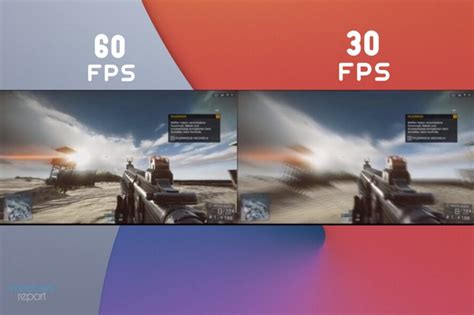
How to fix low FPS or stuttering in new AAA PC games? Troubleshooting guide!

The thrill of diving into a new AAA PC game can quickly turn into frustration when you’re met with low Frame Per Second (FPS) or persistent stuttering. These issues can ruin immersion, affect competitive performance, and make even the most beautiful games unplayable. Fortunately, many common performance problems have straightforward solutions. This guide will walk you through a comprehensive troubleshooting process to help you diagnose and fix low FPS and stuttering, getting you back to smooth, enjoyable gameplay.
Diagnosing the Problem: Identify the Symptoms
Before you can fix a problem, you need to understand it. Pay close attention to when and how performance issues occur. Are they constant, or do they happen in specific areas or during intense action? Monitoring your system’s performance metrics is crucial.
- Use an FPS Counter: Most game launchers (Steam, Epic Games) or GPU overlay software (NVIDIA GeForce Experience, AMD Adrenalin) include an FPS counter. This helps you quantify the issue.
- Monitor System Usage: Tools like MSI Afterburner (with RivaTuner Statistics Server) or Windows Task Manager can show you CPU, GPU, RAM, and disk usage. High utilization of a single component can indicate a bottleneck.
- Check Game System Requirements: Compare your PC’s specifications against the game’s minimum and recommended requirements. Being below recommended specs is a primary cause of low performance.
Essential Software Updates: The Foundation of Performance
Outdated software is a common culprit for performance woes. Keeping your system and drivers up-to-date ensures compatibility and performance optimizations.
- Graphics Drivers: This is arguably the most critical update. NVIDIA, AMD, and Intel frequently release game-ready drivers that offer significant performance improvements and bug fixes for new titles. Always perform a clean installation if possible.
- Windows Updates: Ensure your operating system is fully updated. Windows updates often include performance enhancements, security fixes, and compatibility improvements.
- Game Patches: Developers often release post-launch patches to address performance issues, bugs, and optimize their games. Keep your games updated.
- Chipset Drivers: While less frequent, updated chipset drivers for your motherboard can sometimes improve system stability and performance.
Optimizing In-Game Settings: The Most Direct Impact
The settings within the game itself have the most direct control over performance. A careful balance between visual quality and FPS is key.
Start with Presets
Many games offer graphic presets (Low, Medium, High, Ultra). Start by setting it to a lower preset (e.g., Medium) and gradually increase settings while monitoring FPS to find your sweet spot.
Individual Graphics Settings to Tweak
If presets don’t work, dive into individual settings. Some settings have a much larger performance impact than others:
- Resolution: The higher the resolution, the more pixels your GPU has to render, significantly impacting FPS. Reducing resolution (e.g., from 4K to 1440p or 1080p) can provide a huge boost.
- Anti-Aliasing (AA): Techniques like MSAA or SSAA are very resource-intensive. Try less demanding options like FXAA, TAA, or turn it off if you don’t mind jagged edges.
- Shadow Quality: Shadows can be incredibly demanding. Lowering shadow quality or resolution can yield significant FPS gains.
- Volumetric Lighting/Fog: These atmospheric effects are beautiful but can be huge performance hogs.
- Reflections: Real-time reflections, especially screen-space reflections, are resource-intensive.
- Texture Quality: This primarily affects VRAM usage. If you have enough VRAM, you can usually keep textures high without much FPS impact. If you’re short on VRAM, lower them.
- Draw Distance/View Distance: Rendering more objects further away requires more CPU and GPU power.
- VSync (Vertical Sync): While it prevents screen tearing, VSync can introduce input lag and cap your FPS at your monitor’s refresh rate. Try turning it off if you have a high refresh rate monitor with G-Sync/FreeSync, or if tearing isn’t bothering you.
- Upscaling Technologies (DLSS/FSR/XeSS): If your GPU supports it, NVIDIA DLSS, AMD FSR, or Intel XeSS can render the game at a lower internal resolution and then upscale it using AI or spatial algorithms, providing a significant FPS boost with minimal visual quality loss.
System-Level Optimizations: Beyond the Game Itself
Your operating system and background processes can also impact game performance.
- Close Background Applications: Browser tabs, streaming apps, torrent clients, or even other games running in the background can consume CPU, RAM, or GPU resources. Close everything you don’t need while gaming.
- Power Plan: Ensure your Windows power plan is set to “High Performance” (or “Ultimate Performance” if available). This prevents your CPU from throttling down.
- Windows Game Mode: Enable Windows Game Mode (Settings > Gaming > Game Mode). This feature prioritizes your game’s resources and suppresses background activity.
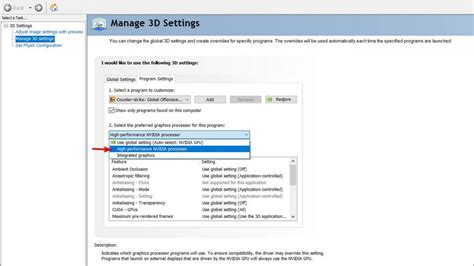
- GPU Control Panel Settings: Check your NVIDIA Control Panel or AMD Adrenalin software for global settings that might be overriding game settings (e.g., maximum performance power mode, shader cache).
- Disk Defragmentation (HDD Only): If your game is installed on an HDD, defragmenting it can sometimes improve loading times and reduce stuttering. This is not necessary for SSDs.
- Overclocking (Caution Advised): Overclocking your CPU or GPU can provide extra performance, but it requires careful research, proper cooling, and comes with risks. Only attempt if you are comfortable with the process.
Hardware Considerations: Are You Being Bottlenecked?
Sometimes, no amount of software tweaking can overcome hardware limitations.
- CPU Bottleneck: If your CPU usage is consistently at 90-100% while your GPU usage is much lower (e.g., 50-60%), your CPU might be struggling to feed frames to your GPU.
- GPU Limitation: If your GPU usage is consistently at 95-100% and your FPS is low, your graphics card is the bottleneck. Lowering graphical settings is the only solution other than upgrading.
- RAM: Insufficient RAM (less than 16GB for many new AAA titles) can lead to constant swapping to disk, causing significant stuttering. RAM speed also plays a role, especially with AMD Ryzen CPUs.
- Storage: While an HDD can run games, an SSD (SATA or NVMe) significantly reduces loading times and can help mitigate stuttering related to asset streaming.
- Cooling and Thermal Throttling: Overheating components (CPU or GPU) will automatically reduce their clock speeds to prevent damage, leading to massive FPS drops and stuttering. Ensure your PC has adequate airflow and clean heatsinks.
Advanced Troubleshooting Steps
- Verify Game Files: Corrupted game files can cause a myriad of issues. Use your game launcher’s “verify integrity” or “repair” function.
- Clean Driver Reinstallation: Use Display Driver Uninstaller (DDU) in safe mode to completely remove old graphics drivers, then install the latest version. This can resolve lingering driver conflicts.
- BIOS/UEFI Updates: In rare cases, an outdated motherboard BIOS/UEFI can cause compatibility or performance issues. Check your motherboard manufacturer’s website. Proceed with extreme caution.
- Test Other Games: If only one specific game is performing poorly, the issue might be with the game itself rather than your system.
- System Restore/Reinstall Windows: As a last resort, if issues persist across multiple games and troubleshooting steps, a system restore point or a fresh Windows installation can rule out deep-seated software conflicts.
Conclusion
Troubleshooting low FPS and stuttering can be a process of elimination, but by systematically working through the steps outlined in this guide, you stand an excellent chance of identifying and resolving the root cause. Start with the simplest solutions like driver updates and in-game settings, monitor your performance closely, and don’t be afraid to delve deeper into system-level optimizations or even hardware considerations. With a bit of patience, you can reclaim the smooth, immersive gaming experience you deserve from the latest AAA titles.