How to fix monitor tearing/stuttering for smooth 144Hz+ gaming on PC?

Achieving buttery-smooth gameplay at high refresh rates like 144Hz or even higher is the dream of every PC gamer. However, nothing shatters that immersion faster than screen tearing or stuttering. These visual anomalies can be particularly frustrating on premium high-refresh-rate monitors, making your expensive setup feel underperforming. This guide will walk you through the common causes of these issues and provide comprehensive solutions to ensure your 144Hz+ gaming experience is as fluid and responsive as it should be.
Understanding Screen Tearing and Stuttering
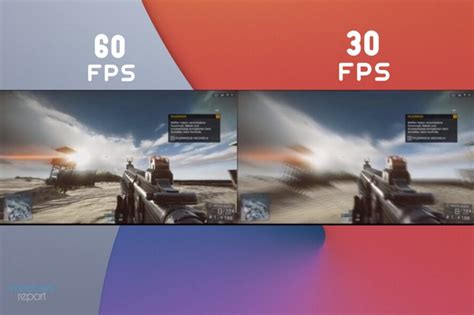
Before diving into fixes, it’s crucial to understand what causes screen tearing and stuttering. Screen tearing occurs when your graphics card (GPU) renders frames faster or slower than your monitor’s refresh rate, causing the display to show parts of multiple frames simultaneously. This results in a “tear” line across the screen. Stuttering, on the other hand, is perceived as inconsistent frame delivery, leading to jerky or uneven motion, often due to significant drops in frame rate or frame time inconsistencies.
High refresh rates amplify these issues if not managed correctly, as the monitor is trying to update its image more frequently, making frame synchronization even more critical.
Software-Based Solutions for Frame Synchronization
The most common first line of defense against tearing and stuttering involves software settings.
Vertical Synchronization (V-Sync)
V-Sync is an older technology that forces your GPU to synchronize its frame rendering with your monitor’s refresh rate. When V-Sync is enabled, the GPU waits for the monitor to complete its current refresh cycle before sending a new frame. This effectively eliminates tearing. However, V-Sync can introduce input lag and, if your frame rate drops below the monitor’s refresh rate, it can cause significant stuttering as the GPU waits for the next refresh cycle, potentially halving the frame rate.
- When to use: If your GPU consistently renders frames significantly above your monitor’s refresh rate and you can tolerate a small amount of input lag.
- How to enable: Usually found in your game’s graphics settings or in your GPU’s control panel (NVIDIA Control Panel, AMD Adrenalin).
Frame Rate Limiters
Limiting your in-game frame rate can also help. If your GPU is producing far more frames than your 144Hz monitor can display (e.g., 250 FPS), you might still experience tearing even with V-Sync off due to unsynchronized frame delivery. Limiting your FPS to just below or exactly your monitor’s refresh rate (e.g., 141-143 FPS for a 144Hz monitor) can often smooth things out without the input lag penalty of V-Sync, especially when combined with G-Sync/FreeSync.
Many games have built-in FPS limiters. You can also use GPU control panel settings or third-party tools like RivaTuner Statistics Server (RTSS).
Hardware-Based Adaptive Sync: G-Sync and FreeSync
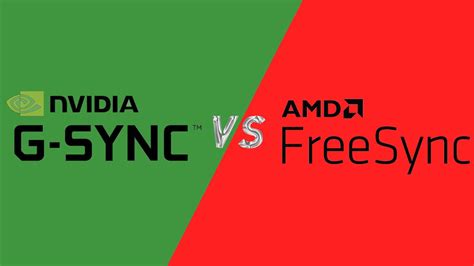
The gold standard for eliminating tearing and stuttering without the drawbacks of V-Sync is adaptive synchronization technology. These technologies allow your monitor’s refresh rate to dynamically match your GPU’s frame rate.
NVIDIA G-Sync
G-Sync monitors contain proprietary hardware that works exclusively with NVIDIA graphics cards. They offer a premium adaptive sync experience, providing a wide variable refresh rate (VRR) range, often down to very low frame rates (LFC – Low Frame Rate Compensation) to ensure smoothness even during frame drops.
AMD FreeSync (and G-Sync Compatible)
FreeSync is an open standard based on DisplayPort Adaptive Sync. It works with AMD graphics cards and, more recently, many FreeSync monitors are certified as “G-Sync Compatible” by NVIDIA, meaning they can provide a G-Sync-like experience with NVIDIA GPUs. FreeSync monitors are generally more affordable than their G-Sync counterparts.
How to Enable Adaptive Sync:
- Check Compatibility: Ensure your monitor, GPU, and connecting cable (DisplayPort or HDMI 2.1) support G-Sync/FreeSync.
- Enable on Monitor: Go into your monitor’s OSD (On-Screen Display) menu and enable “Adaptive Sync,” “FreeSync,” or “G-Sync” (the exact name varies).
- Enable in GPU Control Panel:
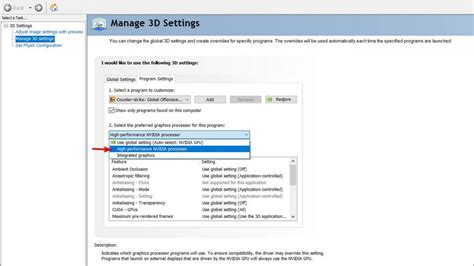
- NVIDIA: Open NVIDIA Control Panel > Display > Set up G-SYNC. Check “Enable G-SYNC, G-SYNC Compatible” and select your display. It’s often recommended to also check “Enable G-SYNC for full screen mode” and optionally “Enable for windowed and full screen mode.”
- AMD: Open AMD Adrenalin Software > Gaming > Display. Ensure “FreeSync” is set to “Enabled.”
- Game Settings: Leave V-Sync OFF in game settings when using G-Sync/FreeSync, but you might still want to use an in-game or driver-level FPS limiter to cap your frames slightly below your monitor’s maximum refresh rate (e.g., 141-143 FPS for 144Hz). This prevents the GPU from hitting its maximum frame rate and potentially going out of the G-Sync/FreeSync range, reintroducing tearing at the very top end.
Advanced Troubleshooting and Optimization
If you’re still experiencing issues, consider these additional steps:
Verify Refresh Rate and Cable
First, ensure your monitor is actually running at its advertised 144Hz+ refresh rate. Go to Windows Display Settings > Advanced display settings > Display adapter properties for Display [X] > Monitor tab, and select the correct refresh rate. Also, confirm you’re using a DisplayPort cable or a high-quality HDMI 2.0/2.1 cable, as older cables might not support high refresh rates.
Update Drivers
Always keep your graphics card drivers up to date. NVIDIA and AMD frequently release updates that include performance optimizations and bug fixes for tearing and stuttering. Also, check for monitor driver updates, though these are less common.
In-Game Settings
- Graphics Presets: Sometimes, pushing graphics settings too high can cause your GPU to struggle, leading to frame drops and stuttering. Experiment with lowering settings like shadows, anti-aliasing, and post-processing effects.
- Exclusive Fullscreen: Whenever possible, play games in exclusive fullscreen mode rather than borderless windowed. Exclusive fullscreen often gives the game more direct control over the display, potentially reducing latency and improving adaptive sync performance.
Power Settings
Ensure your Windows power plan is set to “High Performance” or “Ultimate Performance.” Similarly, check your GPU’s control panel power management settings to ensure it’s set to “Prefer Maximum Performance.” This prevents the GPU from downclocking during gaming sessions.
Conclusion
Eliminating monitor tearing and stuttering for a truly smooth 144Hz+ PC gaming experience often involves a combination of understanding the underlying causes and applying the right solutions. While adaptive sync technologies like G-Sync and FreeSync are the most effective modern approaches, proper V-Sync usage, frame rate limiting, and general system optimization also play crucial roles. By systematically going through these steps, you can unlock the full potential of your high-refresh-rate monitor and enjoy the immersive, fluid gameplay you paid for.