How to instantly deliver critical gaming news and patch updates?
The Imperative of Real-Time Communication in Gaming
In the fast-paced world of video games, player expectations are higher than ever. Gamers demand not just compelling experiences, but also immediate access to information regarding their favorite titles. From critical bug fixes and new content drops to urgent server maintenance or competitive season announcements, the speed at which developers communicate can significantly impact player satisfaction, engagement, and retention. Delayed or unclear communication can lead to frustration, misinformation, and ultimately, a loss of player trust. Mastering instant delivery of news and updates is no longer a luxury but a fundamental requirement for a thriving game community.
Understanding the Player’s Need for Speed
Modern gaming is characterized by constant evolution. A new exploit, a game-breaking bug, or an exciting new feature can emerge or be discovered at any moment. Players, being deeply invested in their games, expect to be kept in the loop without delay. They scour social media, forums, and official channels for the latest information. Meeting this need for speed demonstrates a developer’s commitment to their community and the ongoing health of their game. Failing to do so can result in widespread dissatisfaction and a perception of neglect.
The Impact on Player Experience and Retention
When players are promptly informed about an upcoming patch that fixes a frustrating bug or introduces highly anticipated content, their overall experience is enhanced. They feel valued and heard. Conversely, if a major issue persists without any official word, or if a significant update drops without prior notice, it can disrupt gameplay and foster resentment. Proactive, instant communication helps manage expectations, minimize downtime frustration, and builds a stronger, more loyal player base.
Key Strategies for Instant Delivery
To ensure news and updates reach players instantly, a multi-faceted approach is essential. Relying on a single channel is insufficient in today’s diverse media landscape.
- Multi-Channel Dissemination: Leverage all available platforms. This includes official game websites, dedicated news sections within the game client, social media (Twitter, Facebook, Instagram, Discord), email newsletters, push notifications via companion apps, and community forums. Each channel caters to different player habits and preferences, ensuring maximum reach.
- Automated Patch Delivery Systems: For game updates, robust Content Delivery Networks (CDNs) and automated patching tools are non-negotiable. These systems ensure that patches are distributed efficiently and globally, minimizing download times and server strain.
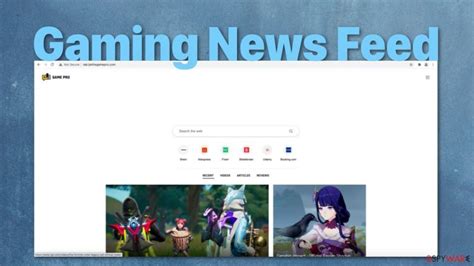
- Dedicated In-Game News Hubs: Integrate a news feed or bulletin board directly into the game’s main menu or loading screens. This ensures that players receive critical information the moment they launch the game, without needing to seek it out externally.

Tools and Technologies for Rapid Deployment
Implementing instant delivery requires more than just good intentions; it demands the right technological infrastructure.
- API Integrations: Utilize APIs to connect your content management system (CMS) with various social media platforms, push notification services, and in-game news feeds. This allows for automated, simultaneous publishing across multiple channels from a single source.
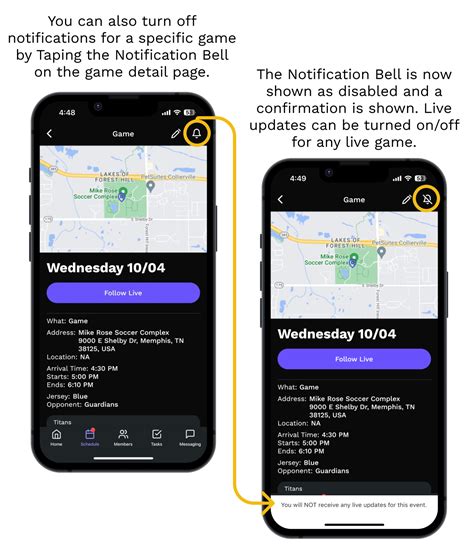
- Push Notification Services: For companion apps or dedicated game launchers, push notifications are incredibly effective for urgent alerts. Services like OneSignal or Firebase Cloud Messaging can deliver real-time alerts directly to players’ devices.
- Community Management Platforms: Tools such as Discord, Twitch, and custom forum solutions offer real-time interaction capabilities. Developers can use these platforms for live Q&A sessions, immediate announcements, and direct engagement with the player base.
- Content Delivery Networks (CDNs): Essential for patch and update distribution, CDNs ensure that game files are replicated across numerous servers worldwide, allowing players to download updates from the nearest, fastest source.
Crafting Effective Communications
Beyond speed, the clarity and quality of your message are paramount. An instantly delivered, but poorly written, update can be as detrimental as a delayed one.
- Clarity and Conciseness: Get straight to the point. Players need to quickly understand what has changed, why, and what action, if any, they need to take. Use clear, accessible language.
- Transparency in Patch Notes: Detailed, well-organized patch notes are crucial. Explain not just what was fixed or added, but also the reasoning behind significant changes, especially balance adjustments. This builds trust and helps players adapt.
- Call to Action: For updates requiring a download or specific action, include a clear call to action (e.g., “Update your game now!” or “Check the full patch notes here”).
Measuring Impact and Iterating
The job isn’t done once the news is out. Monitoring its reception is vital for continuous improvement.
- Analytics for Reach and Engagement: Track open rates for emails, click-through rates for links, and engagement metrics on social media. Understand which channels perform best for different types of announcements.
- Feedback Loops: Actively listen to community feedback on forums and social media. Are players getting the information they need? Is the timing right? Use this data to refine your communication strategy.
Conclusion
Instantaneously delivering critical gaming news and patch updates is a cornerstone of modern game development and community management. By employing a multi-channel approach, leveraging robust technologies, and focusing on clear, transparent communication, game developers and publishers can foster an informed, engaged, and loyal player base. In an industry where information travels at light speed, being at the forefront of communication ensures your game not only survives but thrives.