How to keep live-service game guides accurately updated?
The Dynamic Challenge of Live-Service Game Guides
Live-service games, with their continuous updates, expansions, and balance changes, present a unique and persistent challenge for guide creators: how to keep information consistently accurate. Unlike static, single-player titles where a guide remains relevant indefinitely, live-service games demand ongoing vigilance and a systematic approach to content management. Outdated information can quickly mislead players, diminish trust, and render even the most comprehensive guide useless.
The constant evolution of game mechanics, item statistics, character abilities, and meta-strategies means that what was true last week might be obsolete today. This necessitates a proactive and adaptive strategy to ensure guides remain a valuable resource for players navigating the ever-changing digital landscape.
Establishing a Robust Monitoring and Tracking System
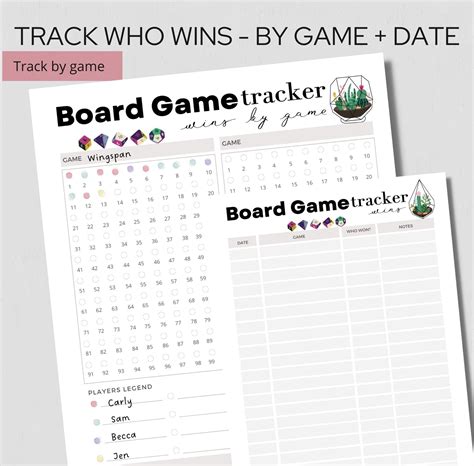
The first step in maintaining accurate guides is to create a reliable system for tracking game changes. This involves monitoring official sources diligently. Subscribe to developer blogs, follow official social media channels, and regularly check patch notes and public test realm (PTR) updates. Understanding the nature and impact of upcoming changes before they go live allows for pre-emptive guide adjustments.
Leveraging Structured Data and Version Control
For complex games, relying solely on text documents becomes unmanageable. Implementing a structured data approach, often through a Content Management System (CMS) or a dedicated wiki platform, is crucial. This allows for individual data points (e.g., item stats, ability cooldowns) to be updated across multiple pages simultaneously, reducing manual errors. Furthermore, integrating a version control system (even if it’s as simple as timestamping updates and archiving previous versions) helps track changes, identify who made them, and revert to older versions if necessary.

Fostering Community Collaboration and Feedback
No single person or small team can keep track of every nuance in a large live-service game. The player community is an invaluable resource. Establish clear channels for community feedback, whether through dedicated forum sections, Discord servers, or comment sections on guide pages. Encourage players to report outdated information or suggest improvements. Implementing a moderation system to review and verify these contributions is essential to maintain quality control.
Some guide platforms allow for direct community contributions, similar to wikis. While this democratizes the update process, it requires robust editorial oversight to ensure accuracy and prevent vandalism or misinformation. Building a core team of trusted community contributors can significantly lighten the update burden while enhancing accuracy.
Developing a Proactive Update Workflow
Rather than reacting to changes after they’ve gone live, aim for a proactive update workflow. Once patch notes are released, categorize the changes by their impact on existing guides (e.g., minor tweaks, significant overhauls, new content). Prioritize updates based on player need and potential impact. For major patches, consider creating a dedicated ‘pre-patch’ analysis guide to prepare players for upcoming changes, followed by rapid updates once the patch goes live.
Key Practices for Timely Updates:
- Scheduled Reviews: Implement a routine schedule for reviewing core guides, even if no major patch is imminent, to catch subtle meta shifts or minor changes.
- Clear Labeling: Always include an ‘Last Updated’ date or ‘Patch Version’ indicator prominently on each guide page so users know the content’s recency.
- Update Communication: Inform users about ongoing updates or known inaccuracies while the content is being revised. Transparency builds trust.
![Updating Website Content Regularly [5 Best Practices]](/images/aHR0cHM6Ly90czMubW0uYmluZy5uZXQvdGg/aWQ9T0lQLmg2TEpNZm9FczJqeVRnXzZMTlljakFIYUVIJnBpZD0xNS4x.webp)
The Role of Automation and Tools
While human oversight is irreplaceable, automation can significantly aid the update process. Tools that parse patch notes for specific keywords or data points, or systems that can ingest game data directly (if APIs are available), can streamline the identification of changes. Advanced wiki platforms or custom CMS solutions can also offer features like templating, mass editing, and cross-referencing, making large-scale updates more efficient.
Ultimately, keeping live-service game guides accurately updated is an ongoing commitment rather than a one-time task. It requires a blend of technological solutions, disciplined workflows, and active community engagement. By embracing these strategies, guide creators can ensure their resources remain invaluable tools for players navigating the ever-evolving worlds of live-service gaming.