How to keep live-service gaming guides fresh & accurate post-patch?

Live-service gaming has revolutionized how we play, offering dynamic worlds that constantly evolve through patches, expansions, and seasonal updates. While this continuous development keeps games fresh and engaging, it poses a unique challenge for guide creators: how do you keep your carefully crafted walkthroughs, build guides, and strategy tips accurate when the ground beneath them is always shifting?
The Dynamic Nature of Live-Service Games
Unlike traditional, static single-player games, live-service titles like MMORPGs, MOBAs, and battle royales are defined by their ongoing evolution. Patches can introduce new characters, rebalance existing abilities, alter map layouts, or even overhaul core game mechanics. What was once the optimal build or a foolproof strategy can become obsolete overnight, leaving players frustrated and potentially misled by outdated information.

Strategic Approaches to Post-Patch Updates
Maintaining guide accuracy in this environment requires more than just reactive fixes; it demands a proactive and structured strategy.
1. Proactive Monitoring and Communication
- Follow Official Channels: Diligently track developer patch notes, dev blogs, public test server (PTS) announcements, and social media. These are the primary sources for upcoming changes.
- Community Engagement: Stay connected with the game’s community on forums, Reddit, and Discord. Players often discover unforeseen interactions or optimal strategies quickly, providing valuable insights.
- Anticipate Changes: Based on developer roadmaps and community feedback, try to anticipate where future balance adjustments or content additions might occur.
2. Prioritize and Categorize Updates
- Critical Changes: Focus first on updates that drastically alter core gameplay, character builds, economy, or progression systems. These impact the most players immediately.
- Minor Adjustments: Smaller bug fixes or slight numerical tweaks can be bundled or addressed in a subsequent pass.
- New Content: Guides for new zones, raids, characters, or quests should be high priority but can be developed alongside critical balance updates.
Efficient Content Revision Techniques
The method of updating your guides is as important as the act itself. Efficiency ensures players get fresh information quickly.
1. Modular Guide Design
Structure your guides with distinct, self-contained sections. For example, a character guide might have separate modules for skills, gear, rotations, and matchups. This allows you to update only the affected module without rewriting the entire guide.
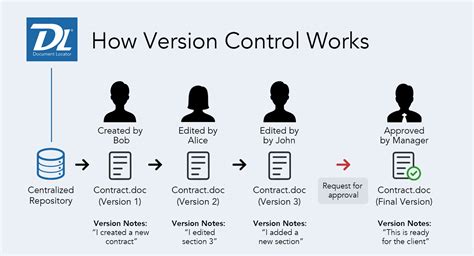
2. Clear Versioning and Timestamps
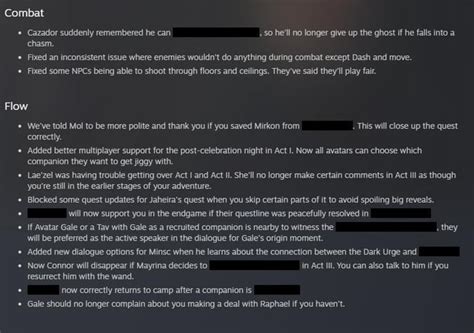
Every guide should prominently display its last update date and, ideally, the game patch version it pertains to. This manages player expectations and builds trust. Consider a changelog section within the guide that highlights specific revisions made for a given patch.
3. Highlighting New or Changed Information
Use visual cues (e.g., bold text, different colors, or “NEW” / “UPDATED” labels) to draw readers’ attention to sections that have been modified since the previous patch. This saves players time by allowing them to quickly identify relevant changes.
Leveraging Tools and Community for Accuracy
Modern guide creation can benefit from collaborative tools and an engaged player base.
1. Collaborative Platforms
If you work with a team, utilize content management systems (CMS) or collaborative editing tools that allow multiple contributors to work on guides simultaneously, track changes, and review updates efficiently.
2. Public Test Servers (PTS) / Beta Access
If available, spending time on a game’s PTS or beta realm before a major patch drops can give you a crucial head start on understanding changes and preparing guide updates. This allows for proactive content generation.
3. Community Feedback Loop
Integrate mechanisms for players to report outdated information or suggest improvements directly within your guides. A dedicated comment section or a submission form can be invaluable for real-time error detection, though all community input should be verified.

Conclusion: The Value of Ever-Fresh Guides
Keeping live-service gaming guides fresh and accurate post-patch is an ongoing commitment, not a one-time task. It requires dedication, strategic planning, and a willingness to adapt. However, the effort pays off immensely. Accurate, up-to-date guides build player trust, enhance their gaming experience, and solidify your reputation as a reliable source of information. In the ever-changing landscape of live-service games, the most valuable guide is one that evolves right alongside the game itself.