How to maintain ethical review integrity against review bombing or publisher pressure?
The Dual Threats to Review Integrity
In today’s interconnected digital landscape, honest and unbiased reviews are more crucial than ever for consumers and industry professionals alike. However, the integrity of these reviews faces persistent threats, primarily from “review bombing” – coordinated efforts to artificially inflate or deflate ratings – and direct or indirect pressure from publishers, developers, or manufacturers. These forces can severely undermine the credibility of a review platform or publication, eroding trust and misleading audiences.
Review bombing typically involves a large volume of negative or positive reviews submitted in a short period, often in response to a specific event, controversy, or perceived slight, rather than the product’s actual quality. Publisher pressure, on the other hand, can range from subtle suggestions for positive coverage to explicit threats of withholding advertising revenue or early access to future products. Both scenarios demand robust ethical frameworks and vigilant practices to safeguard the truth.
Establishing Robust Internal Policies and Guidelines
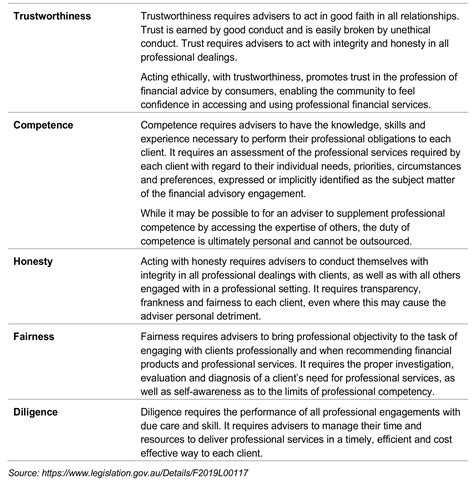
The first line of defense against these pressures is the establishment of clear, comprehensive internal policies. Every reviewer, editor, and platform administrator must understand and adhere to a strict code of ethics. This code should explicitly outline what constitutes ethical conduct, how to handle conflicts of interest, and the protocols for dealing with attempted interference.
Key elements of these guidelines include: anonymous submissions (if applicable), strict no-contact rules with publishers regarding review scores, mandatory disclosure of any gifts or benefits received, and a clear methodology for scoring or evaluation. Regular training sessions can reinforce these principles and equip reviewers with the tools to identify and resist pressure.
Prioritizing Transparency and Disclosure
Transparency is paramount to building and maintaining trust. Review platforms and publications should clearly articulate their review methodology, including how scores are generated, what criteria are considered, and who participates in the review process. Disclosing any potential conflicts of interest, such as sponsored content or affiliate links, is not just good practice but often a legal requirement. When a review is sponsored, it should be clearly labeled as such, distinct from independent editorial content.
Furthermore, publishing an editorial independence statement assures readers that reviews are not influenced by advertisers or external parties. This proactive approach helps pre-empt accusations of bias and reinforces the publication’s commitment to objective reporting.
Implementing Technical and Editorial Safeguards Against Review Bombing
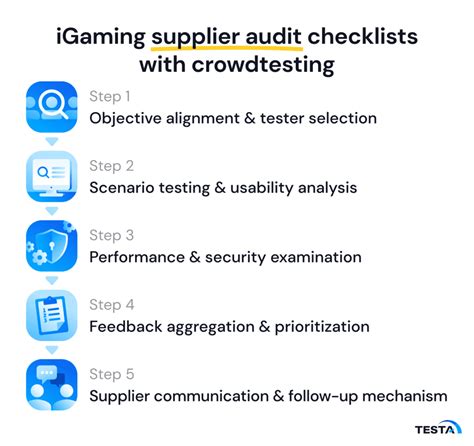
Combating review bombing requires both technical solutions and human oversight. Platforms can implement algorithms to detect unusual patterns in review submissions, such as a sudden influx of reviews from new accounts or accounts with suspicious activity. CAPTCHAs, email verification, and minimum account age or activity requirements can also deter automated attacks.
Editorially, a strong moderation team is crucial. This team should be empowered to investigate suspicious reviews, remove those that violate community guidelines (e.g., hate speech, off-topic rants unrelated to the product), and temporarily suspend accounts involved in coordinated bombing efforts. While this can be a delicate balance to avoid stifling legitimate criticism, the focus should always be on preserving genuine feedback.
Fostering a Culture of Editorial Independence
Ultimately, maintaining ethical review integrity boils down to fostering a strong culture of editorial independence within the organization. This means empowering editors to make tough decisions, even if they are unpopular with publishers or the public. It also means supporting reviewers who stand by their honest assessments, providing them with legal and professional backing if they face undue pressure.
Leaders within the review ecosystem must actively champion ethical practices, making it clear that integrity is non-negotiable. By continuously reinforcing these values and adapting to new threats, review outlets can protect their credibility and continue to serve as a reliable source of information for their audiences.