How to maintain gaming review objectivity against hype & personal bias?

In the vibrant, fast-paced world of video games, reviews serve as crucial signposts for consumers. They guide purchasing decisions, spark discussions, and often shape a game’s initial reception. However, the integrity of these reviews is constantly challenged by two formidable forces: industry hype and personal bias. For professional reviewers, maintaining objectivity isn’t just a goal; it’s a foundational pillar of their credibility.
The Ubiquitous Challenge of Bias
Personal bias is an inherent part of human nature. Reviewers, like anyone else, have preferred genres, nostalgic attachments, and specific gameplay mechanics they favor or dislike. This internal inclination can subtly—or not so subtly—color an assessment. A reviewer who grew up loving JRPGs might instinctively be more forgiving of a new title in that genre, overlooking flaws that a neutral observer would highlight. Conversely, a genre they rarely engage with might face harsher scrutiny.
External hype, driven by marketing blitzes, enthusiastic developer interviews, and community buzz, presents another significant hurdle. Major titles often build monumental anticipation, creating an echo chamber of positivity that can be difficult to pierce. Reviewers might feel pressured, consciously or unconsciously, to align with the prevailing sentiment or risk being seen as out of touch.
Strategies for Objective Evaluation
Establish Clear Review Criteria
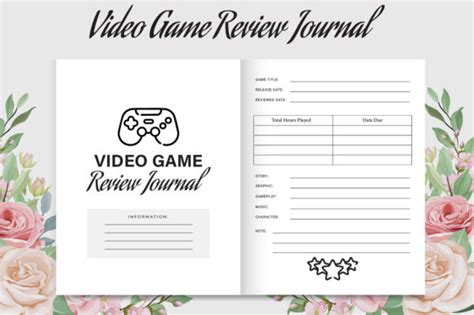
A cornerstone of objectivity is developing and consistently applying a structured review framework. This involves breaking down a game into distinct, measurable categories such as gameplay mechanics, graphics and artistic direction, sound design, narrative, performance, replayability, and value for money. By evaluating each component against a predefined set of expectations, reviewers can minimize the impact of overall subjective enjoyment.
A consistent scoring system or qualitative rubric provides a common language for assessment across different titles, allowing for a more comparative and less arbitrary judgment.
Time and Distance from Launch
While the demand for day-one reviews is high, sometimes the most objective insights emerge after the initial launch frenzy subsides. Allowing a little time can help reviewers see past the immediate hype, evaluate a game’s performance post-patch, and gauge actual player sentiment. This isn’t always feasible for a fast-paced media cycle, but conscious effort can be made to filter out the immediate noise.
Critical Self-Reflection and Acknowledging Preference
The best reviewers are acutely aware of their own biases. They understand their gaming preferences and actively work to account for them. This might involve asking: “Am I enjoying this because it aligns with my personal taste, or is it objectively well-designed?” Transparency with the audience is also key; openly stating a reviewer’s personal leanings can help readers contextualize the review.
Deconstructing the Game Experience
Focus on Core Mechanics, Not Just Flash
Modern games often boast stunning visuals, elaborate cinematics, and star-studded voice casts. While these elements contribute to the overall experience, a truly objective review delves deep into the core gameplay loop, the user interface, the controls, and the systems that define player interaction. Separating the spectacle from the substance is crucial for identifying genuine innovation and solid design.
Considering the Target Audience
No game is for everyone. An objective reviewer attempts to evaluate a game not just on their personal preferences, but on how well it delivers for its intended audience. Is it a niche strategy game that excels within its genre conventions? Is it a casual mobile game designed for short, accessible bursts of play? Understanding who the game is made for allows for a fairer assessment of its success in fulfilling its own goals.

The Ongoing Commitment to Integrity
Revisiting and Revising Judgments
The gaming landscape is dynamic. Post-launch patches, DLC, and community reactions can significantly alter a game’s quality and perception over time. A truly committed reviewer might revisit their initial assessment, offering updated thoughts or even revised scores if substantial changes warrant it. This demonstrates a dedication to accuracy over steadfast adherence to an initial, potentially outdated, judgment.
Empathy and Nuance
While objectivity aims to remove personal feelings, empathy helps reviewers understand different player experiences. Recognizing that a game’s challenges or accessibility features might impact various players differently adds valuable nuance to a review, going beyond a simple “good” or “bad” rating.
Maintaining objectivity in gaming reviews is an ongoing, conscious effort. It requires structured evaluation, critical self-reflection, transparency, and a deep understanding of both the games and their audiences. By rigorously adhering to these principles, reviewers can uphold their credibility and provide invaluable, trustworthy guidance to the gaming community, fostering an environment of informed appreciation rather than blind consumption.