





How to make game guides instantly scannable for specific objectives & collectibles?
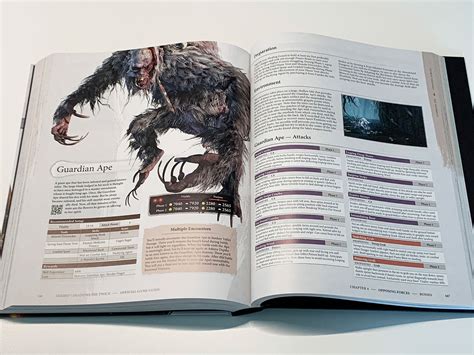
The Scannability Imperative for Modern Game Guides
In the fast-paced world of gaming, players often turn to guides not for a full narrative walkthrough, but for quick, precise answers. Whether they’re stuck on a particular boss, searching for a hidden collectible, or trying to complete a specific side quest, their primary goal is efficiency. A poorly structured guide can lead to frustration and abandonment, while a well-designed, scannable guide becomes an invaluable asset. This article will break down the core principles and practical techniques to make your game guides instantly digestible and highly effective for specific objectives and collectibles.

Key Principles for Instant Scannability
Creating a guide that’s easy to scan requires a deliberate approach to structure and formatting. The goal is to allow readers to glide over the text and immediately identify the information they need, without reading every word.
Clear Headings and Subheadings
The most fundamental tool for scannability is a robust hierarchy of headings. Use descriptive <h2> tags for major sections (e.g., “Main Story Missions,” “Side Quests,” “Collectibles”) and <h3> tags for specific objectives or item categories within those sections (e.g., “Mission 3: The Lost Relic,” “All Star Coins in World 1-1,” “Legendary Weapons”). Each heading should clearly state what information follows.
Strategic Use of Lists
Lists are a reader’s best friend. For sequential steps, use ordered lists (<ol>). For items that don’t have a specific order, use unordered lists (<ul>). This is particularly effective for:
- Step-by-step instructions for puzzles or boss fights.
- Lists of collectibles in a given area.
- Required items for a crafting recipe.

Bold Text and Highlights
Strategically bolding key terms, character names, item names, and crucial instructions can draw the reader’s eye to important information. Avoid over-bolding, as this can make the text appear cluttered. Use it sparingly to highlight critical actions, locations, or items that players must pay attention to. For example: “To defeat the Ogre, you must first target its glowing eye with a fire arrow.”
Structuring for Objectives
When guiding players through objectives, clarity and predictability are paramount.
Mission/Quest Breakdown
Organize your guide by mission, quest, or chapter. Each major objective should have its own dedicated section, clearly titled. Within these sections, break down complex tasks into smaller, manageable steps using ordered lists. Include specific instructions on where to go, what to do, and what enemies or challenges to expect. If an objective has multiple parts, give each part its own mini-heading or a clear bolded label.
Mastering Collectibles
Collectibles are often the most common reason players consult guides for specific items. Their presentation needs to be incredibly precise.
Itemized Lists with Checkmarks and Locations
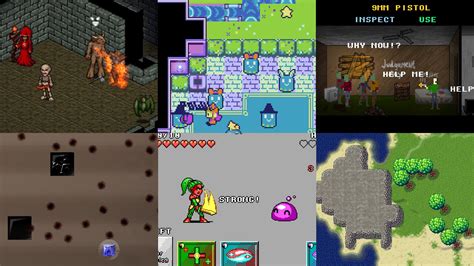
For each collectible type (e.g., “Star Coins,” “Data Logs,” “Hidden Figurines”), create a dedicated section. List each individual collectible, ideally with a unique identifier (e.g., “Star Coin #1,” “Data Log – Sector C,” “Red Keycard”). Crucially, provide its exact location (e.g., “Inside the broken carriage, north of the fountain,” “On the bookshelf in the mayor’s office”). Consider using a checkbox icon or a simple “[ ]” to help players track their progress.
Consistent Naming Conventions
Always use the exact in-game names for objectives, items, characters, and locations. This eliminates confusion and helps players quickly cross-reference information with what they see on their screen. Deviating from official names can lead to a frustrating search experience.
Technical Tools and Formatting
Beyond textual organization, technical implementation can significantly enhance scannability.
Anchors and Internal Linking
For lengthy guides, implement internal anchor links (e.g., <a href="#section-id">Go to section</a>). A table of contents at the beginning of the guide, with links to each major section and even sub-section, is incredibly powerful. This allows players to jump directly to the relevant part of the guide without endless scrolling.

Empowering Your Readers
Making your game guides instantly scannable isn’t just about good formatting; it’s about respecting your reader’s time and intent. By employing clear headings, strategic lists, bold text, precise collectible tracking, and thoughtful internal linking, you transform a potentially overwhelming document into a highly efficient and user-friendly resource. Your goal should always be to provide the answer as quickly and clearly as possible, allowing players to get back to enjoying their game with minimal fuss.



