How to make gaming guides scannable & SEO-friendly for rapid player solutions?
Why Scannability and SEO are Crucial for Gaming Guides
In the fast-paced world of gaming, players often need solutions quickly. Whether they’re stuck on a boss, searching for a hidden item, or understanding complex mechanics, a well-structured and easily discoverable guide is invaluable. This is where scannability and SEO come together, creating a powerful combination that satisfies both player urgency and search engine algorithms.
A guide that is easy to scan allows players to pinpoint the exact information they need without sifting through dense text. Simultaneously, an SEO-friendly guide ensures that when players type their query into Google, your guide is among the first results they see. Neglecting either aspect means players might never find your valuable content or, if they do, will quickly abandon it in frustration.

Crafting Scannable Content for Instant Player Solutions
Scannability is about breaking down information into digestible chunks, making it easy for readers to quickly grasp key points and locate specific details. For gaming guides, this is paramount for players seeking immediate answers.
Use Clear and Descriptive Headings
- H2 for Main Sections: Use these for major parts of your guide, like “Boss Strategy: The Fire Giant” or “Quest Walkthrough: The Sunken City.”
- H3 for Subsections: Break down H2s further, such as “Phase 1 Mechanics,” “Recommended Gear,” or “Item Locations.”
- H4 for Specific Details: If needed, use H4s for very granular information within an H3.
Employ Lists and Bullet Points
Lists are incredibly effective for presenting items, steps, or features. Instead of a long paragraph describing five steps to defeat a boss, a numbered list is far more effective:
- Attack when the shield is down.
- Dodge the ground pound attack.
- Utilize elemental weaknesses.
- Heal consistently during the second phase.
Bold Key Information and Keywords
Highlight crucial game mechanics, item names, character abilities, or warnings by using bold text. This draws the eye to important details instantly. For example: “Remember to equip the Flame Resistance Ring before entering the lava dungeon.”
Keep Paragraphs Short and Focused
Avoid walls of text. Each paragraph should ideally convey one main idea. Break up longer explanations into multiple, concise paragraphs to improve readability.

Optimizing for SEO: Getting Your Guides Discovered
Even the most perfectly structured guide is useless if players can’t find it. SEO (Search Engine Optimization) is the process of making your content visible to search engines like Google.
Keyword Research and Placement
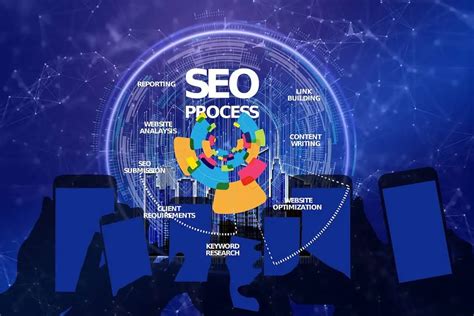
Identify the exact terms players use to search for solutions. Tools like Google Keyword Planner or SEMrush can help. Integrate these keywords naturally into your:
- Title Tag: The most crucial element. Make it accurate and keyword-rich.
- Meta Description: A compelling summary that encourages clicks.
- Headings (H1, H2, H3): Ensure keywords are present where relevant.
- Content Body: Distribute keywords naturally throughout the text without overstuffing.
Structure Data and Rich Snippets
Implementing schema markup (structured data) can help search engines understand your content better and display rich snippets in search results. For gaming guides, this could mean displaying steps, ratings, or even video thumbnails directly in the SERP, making your listing stand out.
Internal Linking Strategy
Link to other relevant guides, articles, or resources within your site. This helps search engines crawl and index your content more effectively and keeps users on your site longer. For example, in a guide about a specific boss, link to guides for recommended gear or character builds.
Mobile-Friendliness and Page Speed
A significant portion of gamers access guides on mobile devices. Ensure your website is responsive and loads quickly on all devices. Google prioritizes mobile-friendly sites in its rankings.
Leveraging Multimedia and User Experience (UX)
While text is fundamental, integrating multimedia enhances both scannability and player engagement. Images, screenshots, and short video clips can illustrate complex mechanics or show exact locations more effectively than text alone. Ensure all images have descriptive alt text for both accessibility and SEO.
Furthermore, consider the overall user experience. Is your website navigation intuitive? Can players easily comment or ask questions? A positive UX encourages repeat visits and builds a loyal audience, which indirectly boosts your SEO through engagement signals.

Conclusion: A Winning Strategy for Gaming Guides
Creating gaming guides that are both scannable and SEO-friendly is not just good practice; it’s essential for providing rapid player solutions and establishing your content as an authoritative resource. By meticulously structuring your content with clear headings, lists, and bold text, you empower players to find answers instantly. Concurrently, by optimizing for search engines with keyword research, proper meta tags, and internal linking, you ensure those players can discover your guides in the first place. Embrace these strategies, and your gaming guides will become invaluable tools for the global gaming community.