How to make gaming guides scannable yet comprehensive for all players?
Creating effective gaming guides is a delicate balancing act. On one hand, players often need quick answers to immediate problems, demanding scannable content. On the other, they also seek in-depth knowledge to master complex mechanics or find every secret, requiring comprehensive detail. The challenge lies in serving both needs simultaneously, ensuring your guide is accessible to a casual player stuck on a boss while still providing value to a dedicated completionist.
Understanding Your Audience and Their Needs
Before diving into formatting, consider who your guide is for. Are you targeting new players who need basic controls explained, or veterans looking for advanced build strategies? A truly great guide caters to a spectrum of players by segmenting information effectively. This involves thinking about different learning styles and levels of engagement. Some players want to read every word, while others just want to jump to the solution.
Strategies for Enhanced Scannability
To make your guide easy to digest at a glance, employ several key formatting techniques:
- Clear Headings and Subheadings: Use
<h2>and<h3>tags to break down topics into logical, bite-sized sections. Headings should be descriptive and direct, allowing readers to quickly identify relevant information. - Bullet Points and Numbered Lists: Ideal for step-by-step instructions, item lists, or pros and cons. They are visually distinct and easy to process quickly.
- Bold Text for Keywords: Highlight crucial terms, item names, or actions using
<strong>tags. This draws the eye to essential information without requiring full sentences to be read. - Short Paragraphs: Avoid large blocks of text. Break paragraphs into smaller, more manageable chunks, ideally 3-5 sentences long, to improve readability.
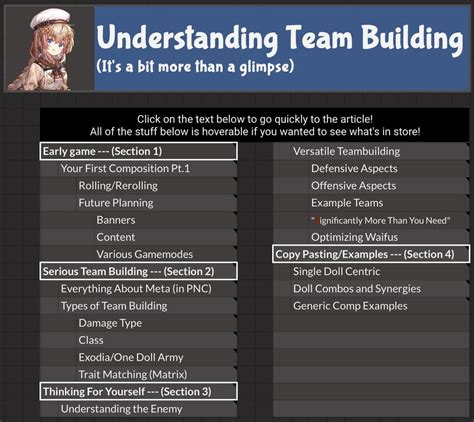
- Table of Contents: While not part of the content itself, a linked table of contents at the beginning (or even a sticky navigation) greatly enhances scannability, allowing users to jump directly to specific sections.

Ensuring Comprehensive Detail and Depth
While scannability is crucial, it shouldn’t come at the expense of thoroughness. Here’s how to maintain depth:
Layered Information Design
Presenting information in layers is key. Start with a concise summary or general overview for scannability, then follow up with detailed explanations, caveats, and advanced strategies. For instance, a boss guide might begin with “Quick Strategy” bullet points, followed by “Phase-by-Phase Breakdown” and “Advanced Tips for Solo Play.”
Contextual Explanations and Examples
Don’t just state facts; explain *why* something works or *how* it applies. Provide clear examples, common pitfalls, and specific scenarios. For instance, if discussing a character build, offer specific item choices and skill point allocations, explaining the synergy behind them.
Visual Aids and Demonstrations
While this article can’t include actual images, remember that screenshots, diagrams, and short video clips (in an actual guide) are invaluable. They can convey complex information far more effectively than text alone, making explanations clearer and more engaging.
Dedicated Sections for Different Skill Levels
Consider adding sections like “Beginner Tips,” “Intermediate Strategies,” or “Mastery Techniques.” This allows players to self-select the level of detail they need, without overwhelming newcomers or boring veterans.
Harmonizing Scannability and Comprehensiveness
The true art lies in blending these two goals seamlessly. Use a consistent structure throughout your guide. For example, every boss strategy could start with an <h3> for the boss name, followed by quick tips (bullet points), then a detailed phase breakdown (short paragraphs with bolded key terms), and finally advanced tactics (another <h3>).
Regularly review and update your guides. Game patches, new strategies, or community feedback can all necessitate changes. Encourage comments and questions to identify areas where your guide might be unclear or lacking. A guide is a living document, evolving with the game and its community.
Conclusion
Crafting gaming guides that are both scannable and comprehensive requires strategic planning and careful execution. By prioritizing clear structure, utilizing visual formatting techniques for quick information retrieval, and diligently providing layered, detailed content, you can create resources that effectively serve the diverse needs of all players. Ultimately, a well-designed guide empowers players to learn at their own pace and enjoy their gaming experience to the fullest.