How to make gaming walkthroughs concise for quick help without sacrificing detail?
In the fast-paced world of gaming, players often need quick answers to immediate problems without sifting through pages of narrative. Yet, complex game mechanics and intricate puzzles demand thorough explanations. The challenge for any walkthrough creator is to strike a delicate balance: providing instant, actionable advice while ensuring all necessary details are readily available for deeper understanding. This guide explores strategies to create walkthroughs that are both concise for quick help and comprehensive in their detail.
The Dual Demand: Speed and Depth in Walkthroughs
Gamers typically fall into two camps when consulting a walkthrough: those stuck on a specific puzzle or boss who need a direct solution, and those who want to understand the ‘why’ behind the ‘how’, perhaps to optimize their gameplay or discover secrets. A truly effective walkthrough caters to both. Simply put, it shouldn’t take five minutes to find a thirty-second solution, but that solution also needs the context for a player to implement it successfully.
Strategic Formatting for Instant Clarity
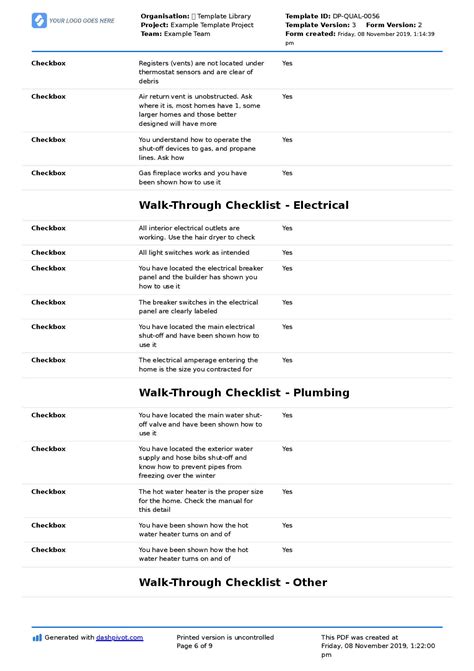
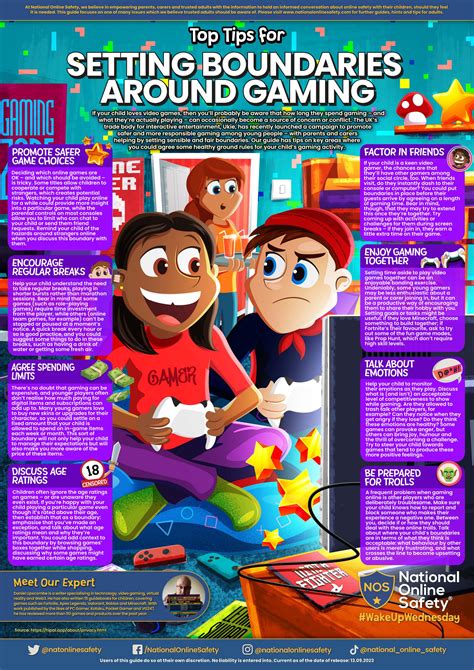
The first step to conciseness without sacrificing detail lies in presentation. Use formatting to your advantage to create visual cues and break up dense text. Short paragraphs, bolding key terms, and italicizing important notes can guide the reader’s eye. Bullet points and numbered lists are invaluable for step-by-step instructions or listing items. A clear hierarchy of headings (H2, H3, H4) allows players to scan and jump directly to the section they need.
Prioritizing Information: The TL;DR Approach
Consider starting each major section or complex problem with a ‘TL;DR’ (Too Long; Didn’t Read) summary. This brief overview should contain the core solution or key takeaway. Following this, you can expand with detailed explanations, context, and alternative strategies. This ‘solution-first, detail-second’ approach ensures players get immediate help while deeper understanding is just a scroll away. For boss fights, list weaknesses and attack patterns upfront, then elaborate on specific strategies.
Leveraging Visuals and Structural Elements
While often associated with video walkthroughs, text-based guides can also benefit immensely from ‘visual’ thinking. If you can’t use actual images, describe points of interest, map locations, or puzzle configurations clearly. Create tables for item lists, character stats, or crafting recipes – these are inherently concise yet detail-rich. For text walkthroughs, internal links (a Table of Contents at the top) act as immediate navigation points, allowing readers to jump straight to specific quests, levels, or objectives.
Modular Design for Seamless Navigation
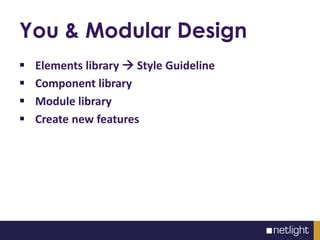
Think of your walkthrough as a collection of interconnected modules rather than a linear narrative. Each quest, area, or puzzle should be its own self-contained unit, with clear headings. This allows players to skip irrelevant sections and pinpoint exactly what they’re looking for. Furthermore, ensure consistent terminology and refer back to previous sections when necessary, but always with a link if possible, so players don’t have to search manually for the referenced information.
Refining Language: Precision Over Prose
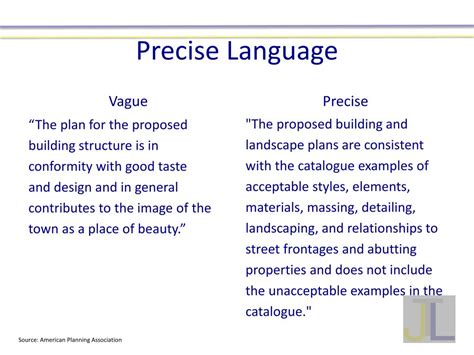
Every word in a concise walkthrough should serve a purpose. Avoid verbose descriptions, rhetorical flourishes, or unnecessary anecdotes. Stick to direct, action-oriented language. Instead of saying, “It’s advisable to carefully approach the enemy and then, at an opportune moment, deploy your special ability,” simply state, “Approach enemy, then use special ability.” If technical jargon is unavoidable, define it clearly the first time it’s used or link to a glossary. This directness drastically cuts down on reading time without losing crucial instruction.
Conclusion: The Art of Effective Walkthroughs
Creating a truly effective gaming walkthrough is an art form. It requires empathy for the player’s potential frustrations and a disciplined approach to information delivery. By embracing strategic formatting, prioritizing key information, thinking in modular sections, and using precise language, you can craft guides that offer immediate relief for the struggling gamer and comprehensive insight for those who crave deeper understanding. The goal is not just to provide answers, but to provide them in the most accessible and efficient way possible, ensuring every player finds the help they need without feeling overwhelmed.