



How to moderate toxic mod comments effectively while fostering community engagement?

The role of a moderator in any online community is pivotal, acting as the guardian of rules and the facilitator of constructive dialogue. However, what happens when the guardians themselves contribute to toxicity? Toxic comments from moderators can be particularly damaging, eroding trust, discouraging participation, and creating an unwelcoming environment. This article explores strategies to effectively address and mitigate such issues while simultaneously nurturing a thriving, engaged community.
The Unique Challenge of Moderator Toxicity
Moderator toxicity isn’t just a breach of rules; it’s a breach of trust. When those meant to uphold standards fail, it sends a powerful, negative message. Users may feel targeted, unheard, or that the rules don’t apply equally. This can lead to a mass exodus or a chilling effect on participation.
The challenge lies in addressing the issue without undermining the authority necessary for effective moderation. It requires a delicate balance of accountability, support, and clear communication to reinforce community values.
Establishing Clear Guidelines and Expectations
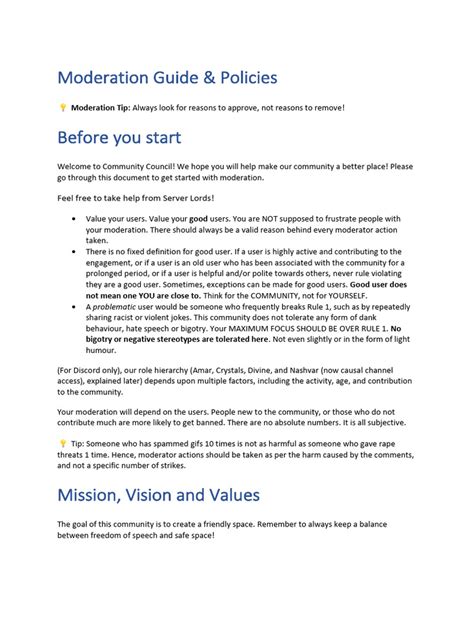
The first step is to have explicit, publicly accessible guidelines for moderators themselves. These should go beyond general community rules and specifically address professional conduct, tone, and conflict resolution.
Key elements of moderator guidelines:
- Code of Conduct: Detailing expected behavior, respect, impartiality, and empathy.
- Communication Standards: Emphasizing constructive criticism, avoiding personal attacks, and de-escalation techniques.
- Conflict Resolution Protocol: How moderators should handle disputes among themselves or with users, and when to escalate to an admin.
- Consequences for Breach: Clearly outlining disciplinary actions for violating moderator guidelines.
Training, Support, and Ongoing Education
Guidelines are only effective if moderators understand and can apply them. Regular training sessions are crucial. These can cover topics such as:
- Active listening and empathetic communication.
- De-escalation strategies for heated discussions.
- Bias awareness and fair judgment.
- Recognizing and addressing personal burnout that can lead to frustration and toxic behavior.
Provide a supportive environment where moderators can discuss challenges, seek advice, and receive constructive feedback from peers and leadership. A dedicated private channel or forum for mods can foster this.
Implementing Accountable Feedback Mechanisms
Users need a clear, accessible way to report moderator misconduct without fear of retaliation. This feedback mechanism should be distinct from general user reports and ideally reviewed by a senior administrator or dedicated oversight team.
Internally, regular performance reviews for moderators can identify patterns of behavior and provide opportunities for intervention. Peer feedback, when structured constructively, can also be invaluable.
Transparency, where appropriate, can build trust. While specific disciplinary actions are often private, acknowledging that feedback is taken seriously and acted upon reinforces accountability.
Leading by Example and Fostering a Positive Culture
Community administrators and senior moderators must embody the values they expect from their team. Their actions and communication style set the tone for the entire moderation team. If leaders are toxic, it’s impossible to expect subordinates to be otherwise.
Actively promote and reward positive moderation efforts. Acknowledge moderators who handle difficult situations with grace, exemplify community values, and contribute positively to engagement. This reinforces desired behaviors and creates a culture where positive conduct is celebrated.

Empowering Community Engagement Through Positive Moderation
When moderators are seen as fair, empathetic, and respectful, it naturally encourages users to participate more freely and constructively. A non-toxic moderation environment fosters psychological safety, allowing diverse voices to emerge without fear of arbitrary reprimand or personal attack.
Shift the focus from merely enforcing rules to actively facilitating positive interactions. Moderators can initiate discussions, highlight exemplary user content, and organize community events. This transforms them from just rule enforcers to community builders.
Encourage moderators to engage with users on a human level, sharing appropriate personal anecdotes or expressing genuine appreciation. This humanizes the role and bridges the gap between the “rulers” and the “ruled,” creating a more cohesive and friendly atmosphere.

Conclusion
Effectively moderating toxic comments from within the moderation team is a complex yet critical endeavor. It requires a multifaceted approach encompassing clear guidelines, comprehensive training, robust accountability, and leadership that models desired behavior. By addressing moderator toxicity head-on and consistently championing a culture of respect and empathy, communities can transform potential discord into opportunities for growth, ensuring that their online spaces remain vibrant, welcoming, and truly engaging for everyone.