How to optimize game guides for SEO without sacrificing user experience?

Creating comprehensive game guides is an art that blends detailed information with engaging presentation. However, for these guides to be truly impactful, they need to reach their intended audience. This often means optimizing them for search engines (SEO) without alienating the very players seeking help. The challenge lies in striking a delicate balance: satisfying algorithms while delighting users. This article explores strategies to achieve this crucial equilibrium.
Understanding the Dual Goal
The primary goal of any game guide is to help players. Whether it’s overcoming a boss, finding a hidden collectible, or understanding complex mechanics, user experience (UX) dictates whether a guide is helpful or frustrating. A well-optimized guide, on the other hand, ensures that when a player searches for a solution, your guide appears prominently. Neglecting either SEO or UX leads to an incomplete strategy: a technically perfect but unreadable guide won’t retain users, and a brilliant guide no one can find offers no value.
Key SEO Strategies for Game Guides
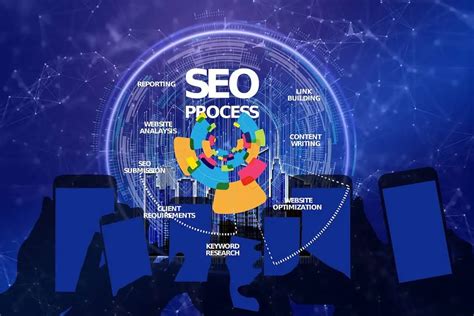
Effective SEO for game guides involves a mix of on-page and technical optimizations designed to signal relevance and authority to search engines.
Keyword Research
Start by identifying the terms players actually use when looking for help. This includes long-tail keywords (e.g., “how to beat final boss Elden Ring”), specific item names, quest objectives, and character builds. Tools like Google Keyword Planner, Ahrefs, or SEMrush can help uncover these valuable phrases. Incorporate these keywords naturally throughout your guide, focusing on context and user intent rather than keyword stuffing.

On-Page Optimization
This covers elements directly on your guide page. Use clear, descriptive URLs that include primary keywords. Craft compelling meta descriptions that entice clicks by summarizing the guide’s value. Employ proper heading tags (H1 for the main title, H2s for major sections, H3s for subsections) to structure your content logically and make it scannable for both users and search engines.
Structured Data (Schema Markup)
Implementing schema markup (e.g., HowTo, Q&A, or Article schema) helps search engines understand the content and context of your guide. This can lead to rich snippets in search results, offering more visibility and higher click-through rates.
Internal Linking
Link to other relevant guides or articles on your site. This not only keeps users engaged longer but also distributes link equity across your domain, signaling to search engines the interconnectedness and depth of your content.
Prioritizing User Experience
While SEO gets players to your guide, UX keeps them there. A guide that is difficult to read or navigate will quickly lose its audience, regardless of its search ranking.
Clarity and Readability
Break up large blocks of text into smaller, digestible paragraphs. Use bullet points and numbered lists for steps or item lists. Employ clear, concise language, avoiding jargon where possible or explaining it when necessary. Choose a readable font size and ensure good contrast between text and background.
Visual Aids
Game guides benefit immensely from visuals. Include high-quality screenshots to illustrate steps, maps to show locations, and embedded videos for complex actions. Always add descriptive alt text to images, which not only helps with SEO but also improves accessibility.
Interactive Elements
Consider adding a table of contents, especially for longer guides, allowing users to jump to specific sections. Searchable content within the guide or even user-contributed comments can enhance interactivity and perceived value.
Mobile Responsiveness
Many players access guides on their phones or tablets. Ensure your guide is fully responsive, meaning it adapts seamlessly to different screen sizes without losing functionality or readability.
Bridging SEO and UX: Practical Tips
The best strategies integrate SEO and UX thinking from the outset.
Contextual Keyword Placement
Instead of forcing keywords, weave them naturally into your explanations. If a player needs to know “how to get the legendary sword of light,” your guide should explain the steps in detail, naturally incorporating that phrase and related terms.
Descriptive Headings and Subheadings
Use headings that are both keyword-rich and descriptive for users. An H2 like “Optimal Build for PvE Dragon Hunter” tells both the search engine and the player exactly what that section covers, improving scannability and SEO.

Fast Loading Times
A slow-loading guide frustrates users and negatively impacts SEO rankings. Optimize images, minify CSS and JavaScript, and leverage browser caching to ensure your pages load quickly.
Regular Updates and Accuracy
Games evolve, and so should your guides. Keeping content accurate and up-to-date is crucial for user trust and SEO. Search engines favor fresh, relevant content, and players will return to guides they know are reliable.

Conclusion
Optimizing game guides for SEO without compromising user experience is not a trade-off but a synergy. By conducting thorough keyword research, structuring your content logically, enhancing readability with visual aids, and ensuring mobile responsiveness, you can create guides that not only rank high in search results but also genuinely help and engage your audience. The ultimate goal is to provide immense value to players, and by doing so, you naturally satisfy the requirements of search engines.