How to optimize gaming guide structure for specific quest/item searchability?
In the vast landscapes of modern video games, players frequently turn to online guides to navigate complex quests, locate elusive items, or understand intricate mechanics. The utility of such a guide hinges not just on its accuracy, but profoundly on its searchability. If a player can’t quickly find the specific piece of information they need, even the most comprehensive guide becomes frustrating. Optimizing your gaming guide’s structure for specific quest and item searchability is paramount to its success and user satisfaction.
The Cornerstone of Findability: Clear Structure and Consistent Terminology
Effective guide design begins with a logical hierarchy and a commitment to consistency. Every quest, item, or concept should have a predictable place within the guide, allowing users to intuitively navigate or use search functions to pinpoint their target. This means adopting a clear, organized framework from the outset.
Consistent Naming Conventions
Use the exact in-game names for quests, items, NPCs, and locations. Any deviation can confuse players and hinder search engine optimization (SEO). If an item has multiple names (e.g., ‘Health Potion’ vs. ‘HP Pot’), list all common variations, perhaps in a parenthetical note or tags, to cover broader search queries.
Logical Headings and Subheadings
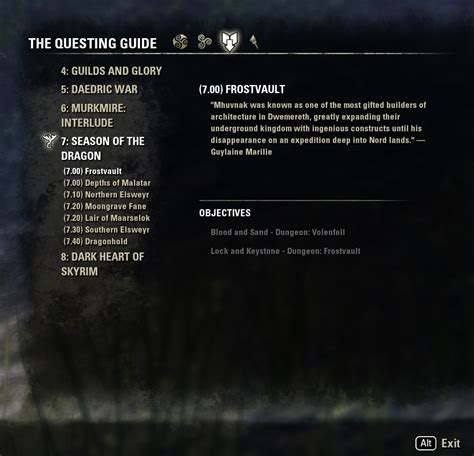
Employ HTML heading tags (<h2>, <h3>, <h4>) to break down content into digestible sections. For quest guides, common headings might include ‘Quest Giver’, ‘Objectives’, ‘Walkthrough Steps’, ‘Rewards’, and ‘Prerequisites’. For item guides, ‘Location’, ‘Acquisition Method’, ‘Stats’, ‘Usage’, and ‘Related Quests’ are useful. These headings provide scannable points of reference and help both human readers and search engine crawlers understand the content’s organization.
Structuring Quest Guides for Maximum Searchability
A well-structured quest guide allows a player to jump directly to the point where they are stuck, without having to read through irrelevant sections.
Detailed Step-by-Step Walkthroughs
Break down quests into individual, numbered steps. Each step should clearly describe the action required, the location, and any relevant NPCs or items. Use bold text for key terms like quest objectives or item names. Consider adding timestamps for video guides if integrated.
Key Information at a Glance
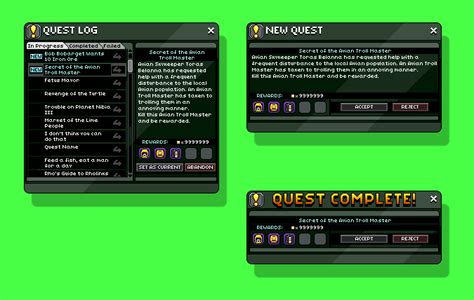
Include an ‘At a Glance’ or ‘Summary’ section at the beginning of each quest guide. This should contain essential details such as:
- Quest Name
- Quest Giver (NPC and Location)
- Prerequisites (e.g., required level, previous quests)
- Rewards (XP, Gold, Items)
- Difficulty Rating
Internal Linking and Cross-Referencing
Link to other relevant guides within your content. If a quest requires a specific item, link directly to its item guide. If it’s part of a quest chain, link to the previous and next quests in the series. This not only helps users navigate but also boosts your guide’s overall SEO by establishing a strong internal link profile.
Optimizing Item Guides for Quick Location and Information
Players often search for items by name, function, or even by where they’ve seen them. Your item guides should cater to these diverse search patterns.
Comprehensive Item Profiles
Each item should have its own dedicated section or page, providing a full profile:
- Item Name: Exact in-game name.
- Type: (e.g., Weapon, Armor, Consumable, Crafting Material).
- Rarity: (e.g., Common, Rare, Legendary).
- Stats/Effects: Detailed numerical values and descriptions.
- Acquisition: Where and how to get it (e.g., Vendor, Drop from specific enemy/boss, Quest Reward, Crafting recipe). List specific locations or enemy names.
- Usage: What the item is used for (e.g., equip, consume, craft).
- Related Quests: Link to any quests where the item is required or rewarded.

Tagging and Categories
Implement a robust tagging system for items. Tags like ‘one-handed sword’, ‘healing potion’, ‘leather armor’, ‘crafting ingredient’, or ‘boss drop’ will make items more discoverable through internal search functions and category browsing. Ensure categories are intuitive (e.g., ‘Weapons’, ‘Armor’, ‘Potions’, ‘Resources’).
Leveraging SEO Best Practices for External Search Engines
While internal structure is key for users already on your site, external search engines like Google are how most players will find your guide in the first place.
Keywords and Metadata
Integrate relevant keywords naturally throughout your content, especially in headings and the introductory paragraphs. Use descriptive title tags and meta descriptions for each guide page that accurately reflect the content and include the quest/item name. For example, a title tag like ‘Skyrim: Locate the Dragonstone Quest Guide & Walkthrough’ is highly effective.

Structured Data (Schema Markup)
If your platform supports it, implement schema markup (e.g., Game, HowTo, ItemPage). This helps search engines understand the context of your content, potentially leading to rich snippets in search results that can dramatically increase visibility and click-through rates.
Conclusion: A Well-Organized Guide is an Indispensable Tool
Optimizing your gaming guide structure for specific quest and item searchability transforms it from a simple collection of information into an indispensable resource. By focusing on clear hierarchy, consistent terminology, detailed breakdowns, and smart internal and external SEO practices, you empower players to quickly find exactly what they need, enhancing their gaming experience and establishing your guide as a go-to authority. Invest in thoughtful structure, and your guide will serve countless adventurers for years to come.