How to optimize gaming guides for both quick information retrieval and SEO?
The Dual Challenge: Speed and Visibility in Gaming Guides
Creating effective gaming guides presents a unique challenge: they must be instantly useful for players seeking immediate solutions while also being discoverable by search engines. Juggling rapid information retrieval with robust SEO practices is not just possible, but essential for a guide’s success. This article will break down how to achieve both, ensuring your guides serve your audience efficiently and reach the widest possible readership.
Structuring for Swift Information Retrieval
Players often consult guides in moments of frustration or urgency. They’re looking for specific answers—how to defeat a boss, find a hidden item, or complete a quest step. Your guide’s structure should cater to this need for speed.
Clear Headings and Subheadings
- Use descriptive
<h2>and<h3>tags that clearly state what each section covers (e.g., “Boss Fight: The Shadow Weaver,” “Finding the Ancient Relic,” “Quest Step 3: Speak to the Elder”). - Ensure headings are distinct and easy to scan, allowing users to jump directly to the relevant part.
Utilize Bullet Points and Numbered Lists
Complex instructions or lists of items are far more digestible when presented in bullet points or numbered lists. This breaks up dense text and highlights key information.
- Example: For crafting recipes, list ingredients; for boss mechanics, list attack patterns.

In-Page Navigation (Table of Contents)
For longer guides, an interactive table of contents at the beginning is invaluable. Use anchor links (<a href="#section-id">) to allow users to click directly to any section. This greatly enhances the user experience for quick lookup.
Visual Aids and Media
A picture, or even a short video clip, can often convey information more quickly and clearly than paragraphs of text. Screenshots, maps with marked locations, and short GIFs demonstrating a mechanic are powerful tools.
Optimizing for Search Engine Optimization (SEO)
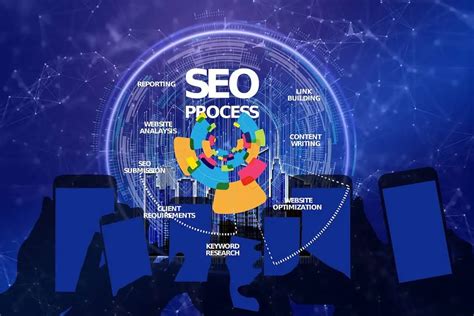
Even the most perfectly structured guide is useless if no one can find it. SEO ensures your guides rank high in search results, bringing players to your content.
Keyword Research
Identify the exact terms players use when searching for help. Think about long-tail keywords. Instead of just “Elden Ring guide,” consider “Elden Ring Godrick the Grafted boss strategy” or “Elden Ring Sacred Scorpion Charm location.”
- Use tools like Google Keyword Planner or SEMrush to find relevant keywords with good search volume.
Strategic Keyword Placement
Integrate your primary and secondary keywords naturally throughout your guide:
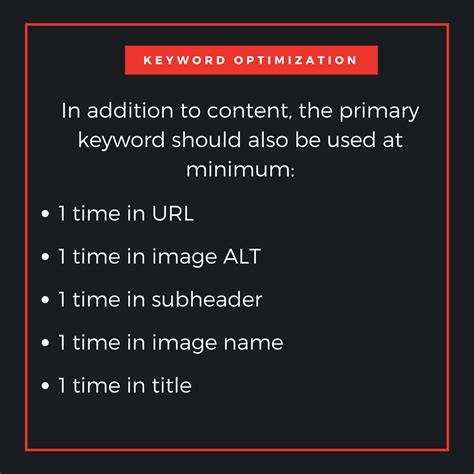
- Title Tag & Meta Description: Crucial for click-through rates. Include your main keyword.
- URL: Keep it clean, descriptive, and include keywords (e.g.,
yourdomain.com/elden-ring-godrick-strategy). - Headings (H1, H2, H3): Embed keywords in a way that still makes sense for users.
- Body Content: Naturally weave keywords into paragraphs, but avoid keyword stuffing.
- Image Alt Text: Describe images using relevant keywords for accessibility and SEO.

High-Quality Content
Google prioritizes content that is comprehensive, accurate, and truly helpful. Ensure your guide provides correct information, offers unique insights, and is regularly updated as game patches or new strategies emerge.
Internal and External Linking
- Internal Links: Link to other relevant guides on your site (e.g., “For more on crafting, see our detailed crafting guide”). This helps distribute link equity and keeps users on your site longer.
- External Links: Link to authoritative sources when appropriate (e.g., the official game wiki, developer forums), but sparingly.

Mobile-Friendliness and Page Speed
Many players access guides on their phones. Ensure your website is responsive and loads quickly on all devices. Google heavily penalizes slow, non-mobile-friendly sites.
Balancing the Scales: UX and SEO Synergy
The beauty of optimizing for both quick information retrieval and SEO is that many practices overlap and reinforce each other. Good UX often leads to better SEO, and vice-versa.
Readability and Scannability
Using short paragraphs, clear fonts, and appropriate line spacing improves readability for users, which Google also values as a sign of quality content.
Semantic HTML
Employ HTML5 semantic tags like <article>, <section>, and <nav>. These help search engines understand the structure and context of your content, boosting your SEO while also making your document more accessible.

Conclusion
Optimizing gaming guides for both quick information retrieval and SEO requires a deliberate, user-centric approach. By structuring your content for immediate utility with clear headings, lists, and visual aids, you cater directly to the player’s needs. Simultaneously, integrating robust SEO practices—through keyword research, strategic placement, and high-quality content—ensures your guides are discovered by the vast audience searching for them. Embrace this dual strategy, and your gaming guides will not only be incredibly helpful but also widely successful.