





How to optimize gaming guides for quick, scannable answers to common player problems?
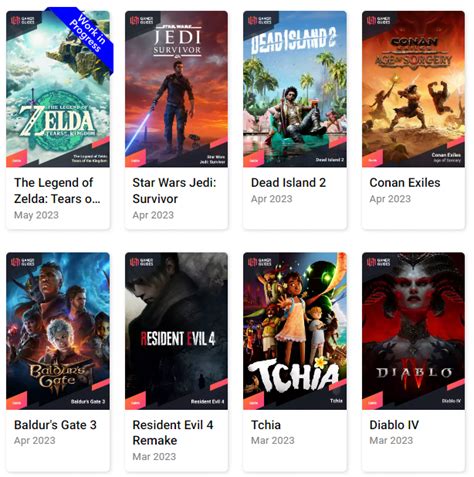
In the fast-paced world of gaming, players often seek immediate solutions to specific challenges rather than lengthy narrative walkthroughs. An optimized gaming guide isn’t just comprehensive; it’s a readily accessible resource that delivers quick, scannable answers to common player problems, improving user experience and minimizing frustration.
Why Scannability Matters in Gaming Guides
Gamers are usually in the middle of a session when they consult a guide. They’re looking for ‘how-to’ solve a puzzle, defeat a boss, find an item, or fix a bug – and they need the answer fast. A guide that buries crucial information under paragraphs of descriptive text or irrelevant details will quickly lose its audience. Scannable content respects the player’s time and urgency, ensuring they can pinpoint the information they need in seconds.

Core Principles for Optimized Guides
1. Clear Structure and Hierarchy
Employ strong headings (H2s for major sections, H3s for subsections) to break down content logically. Use an inverted pyramid style, placing the most critical information at the top of each section. This allows players to grasp the essence of a solution without reading an entire block of text.
- Use descriptive headings: Titles like “Boss Strategy: The Abyssal Horror” or “Quest Walkthrough: The Lost Amulet” are more effective than generic ones.
- Table of Contents: For longer guides, an interactive table of contents with anchor links is invaluable for quick navigation.
2. Concise and Direct Language
Get straight to the point. Avoid flowery language, excessive lore, or unnecessary anecdotes when a player is in problem-solving mode. Use active voice and short sentences. If a step can be explained in five words, don’t use twenty.
- Bullet Points & Numbered Lists: Ideal for step-by-step instructions, item lists, or summaries of key information.
- Bold Key Terms: Highlight crucial items, character names, abilities, or button prompts to make them jump out.

3. Leverage Visuals Effectively
A picture is often worth a thousand words, especially in gaming. Well-placed screenshots, annotated maps, or short video clips can clarify complex instructions much faster than text alone.
- Annotated Screenshots: Point out exact locations, item placements, or enemy weak spots.
- Flowcharts & Diagrams: Useful for explaining complex mechanics, skill trees, or decision paths.
- Embed or Link Videos: For intricate boss fights or tricky jumps, a short video demonstration can be invaluable (ensure clear descriptions for accessibility).
4. Implement a Problem-Solution Approach
Anticipate common player difficulties and structure your guide around direct answers. Think in terms of FAQs or specific problem statements.
- Example: Instead of “Area X Walkthrough,” consider sections like “Stuck in Area X? Here’s how to beat the Guardian” or “Where to find all collectibles in Area X.”
- Dedicated Troubleshooting Sections: Address common bugs, glitches, or technical issues players might encounter.

5. Enhance Searchability and Accessibility
Optimize your guide not just for reading, but for finding. Use relevant keywords throughout your headings and content, ensuring search engines (and internal site searches) can direct players precisely to what they need.
- Keyword Optimization: Include game-specific terms, item names, quest names, and common player queries.
- Internal Linking: Link to other relevant sections within your guide or related guides for deeper dives.
- Reader Feedback: Incorporate feedback to refine and update guide content, directly addressing new player problems as they emerge.
6. Utilize Formatting for Readability
Beyond headings and lists, employ other formatting techniques to improve the visual appeal and scannability of your text.
- Short Paragraphs: Break up large blocks of text into smaller, digestible paragraphs.
- Whitespace: Use ample whitespace around text and images to reduce visual clutter.
- Consistent Styling: Maintain uniform fonts, colors, and formatting across your guide for a professional and predictable reading experience.

Conclusion
Optimizing gaming guides for quick, scannable answers transforms them from mere information dumps into invaluable, user-friendly resources. By prioritizing clear structure, concise language, effective visuals, and a problem-solution mindset, guide creators can significantly enhance the player experience, helping gamers overcome obstacles faster and enjoy their games more fully. A well-optimized guide isn’t just about providing information; it’s about empowering players to find that information instantly when they need it most.



