How to optimize GPU cooling for peak FPS during intense gaming?

Why GPU Cooling is Critical for Gaming Performance
For serious gamers, maintaining peak frames per second (FPS) is paramount, especially during intense, graphically demanding titles. Your Graphics Processing Unit (GPU) is the powerhouse driving these visuals, and like any high-performance component, it generates significant heat under load. Excessive heat isn’t just a concern for hardware longevity; it directly impacts your gaming experience by triggering thermal throttling, leading to reduced clock speeds and, consequently, lower FPS.
Optimizing GPU cooling isn’t just about preventing damage; it’s about unlocking and sustaining your GPU’s full potential. A well-cooled GPU can maintain higher boost clocks for longer periods, ensuring smoother gameplay and a more consistent frame rate. This guide will walk you through various strategies, from basic airflow improvements to advanced cooling solutions, to keep your GPU temperatures in check.
Understanding GPU Heat and Its Impact on FPS
When your GPU works hard, electricity flows through its transistors, and a byproduct of this activity is heat. Modern GPUs are designed with safety mechanisms, including thermal sensors that monitor core temperatures. Once a predefined thermal limit is reached (often around 80-85°C for many cards), the GPU’s firmware will automatically reduce its clock speed and voltage to prevent overheating – a process known as thermal throttling.
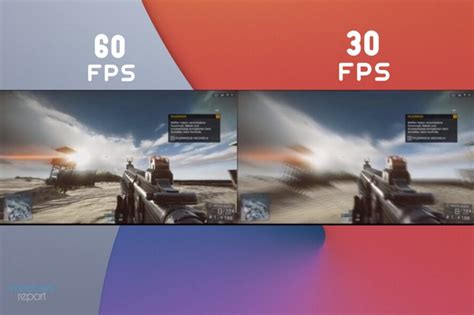
This throttling directly translates to a decrease in processing power, which means fewer frames rendered per second. What might start as a buttery-smooth 100 FPS can quickly drop to 70-80 FPS or even lower if your cooling solution can’t dissipate the heat effectively. Understanding this relationship is the first step towards building a truly optimized gaming rig.
Optimizing Your PC Case Airflow
The foundation of any good cooling system starts with proper case airflow. Your GPU doesn’t cool itself in isolation; it relies on a constant supply of cool air and an efficient exhaust system to expel hot air from the case.
Fan Configuration and Placement
- Intake Fans: Position fans at the front and/or bottom of your case to draw in cool ambient air. Aim for a slightly positive pressure setup (more intake than exhaust) to minimize dust ingress.
- Exhaust Fans: Place fans at the rear and top of your case to push hot air out. Hot air naturally rises, making top exhaust fans particularly effective.
- Fan Types: Consider static pressure optimized fans for radiators and heatsinks, and airflow optimized fans for unrestricted case intake/exhaust.
Cable Management and Dust Control
Cluttered cables obstruct airflow, creating pockets of stagnant hot air. Route cables neatly behind the motherboard tray or using cable ties to ensure unrestricted air pathways. Regularly clean dust filters and the inside of your case; dust acts as an insulator, trapping heat and reducing the efficiency of heatsinks and fans.
GPU-Specific Cooling Enhancements
Beyond general case airflow, several methods directly target your GPU’s thermal performance.
Custom Fan Curves and Undervolting
Most GPUs come with a default fan curve that balances noise and temperature. Using software like MSI Afterburner or AMD Adrenalin, you can create a custom fan curve that ramps up fan speeds more aggressively at lower temperatures. While this might increase noise, it can significantly lower temps and prevent throttling.
Undervolting is another powerful technique. By reducing the voltage supplied to the GPU core while maintaining similar clock speeds, you can achieve the same performance with less power consumption and, critically, less heat. This requires careful testing and adjustment but can yield impressive temperature drops with no performance loss, sometimes even a slight gain due to reduced throttling.
![GPU vs Graphics Card - What Is The Difference? [Simple Guide] - YouTube](/images/aHR0cHM6Ly90czMubW0uYmluZy5uZXQvdGg/aWQ9T0lQLjFONjQ5enh2UmlMeXpfSnV1REZRSGdIYUVLJnBpZD0xNS4x.webp)
Upgrading Thermal Paste and Pads
Over time, the thermal paste between your GPU die and its heatsink can dry out and lose effectiveness. Replacing it with a high-quality, fresh thermal paste can dramatically improve heat transfer. Similarly, replacing thermal pads on memory modules and VRMs with better quality alternatives can also contribute to overall lower temperatures.
Advanced Cooling Solutions: AIO and Custom Loops
For enthusiasts seeking the ultimate cooling performance, All-in-One (AIO) GPU coolers or full custom liquid cooling loops are excellent options. AIO kits replace your GPU’s stock air cooler with a pump, radiator, and fan system, offering superior heat dissipation. Custom loops, while requiring more expertise and investment, provide unparalleled cooling for both your CPU and GPU, often allowing for higher overclocks and significantly lower temperatures.

Regular Maintenance for Sustained Performance
Consistent maintenance is key to long-term optimal cooling. Make it a habit to:
- Clean Your PC: Every 3-6 months, open your case and use compressed air to blow out dust from fans, heatsinks, and radiators.
- Monitor Temperatures: Use monitoring software (e.g., HWMonitor, HWiNFO64) to keep an eye on your GPU temperatures during gaming. Know what’s normal for your card and react if you see unusually high spikes.
- Check Fan Health: Ensure all case and GPU fans are spinning freely and aren’t making unusual noises.

Conclusion
Optimizing GPU cooling is a multifaceted endeavor that combines smart hardware setup with thoughtful software tweaks and regular maintenance. By implementing strategies like improving case airflow, customizing fan curves, exploring undervolting, and considering advanced liquid cooling, you can ensure your GPU operates at its best. A cooler GPU means less thermal throttling, more consistent clock speeds, and ultimately, the peak FPS you crave for an uninterrupted and immersive gaming experience.