

How to optimize Indie Spotlight features for gamer discoverability & wishlist conversion?
Maximizing Your Moment in the Spotlight
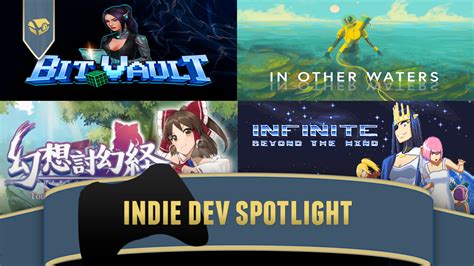
For independent game developers, securing a feature in an ‘Indie Spotlight’ on major digital storefronts like Steam, Epic Games Store, or Nintendo eShop is akin to hitting the jackpot. These curated placements offer unparalleled visibility in a crowded market, presenting a golden opportunity to reach a massive audience. However, merely being featured isn’t enough; true success lies in optimizing this exposure to significantly boost gamer discoverability and, more critically, convert newfound interest into wishlists – the lifeblood of a successful game launch. This guide delves into actionable strategies to ensure your indie title truly shines and converts during its spotlight moment.
Pre-Spotlight Preparation: Laying the Groundwork for Success
The success of your spotlight feature is largely determined by the groundwork you lay beforehand. Treat the spotlight as a magnifying glass that will reveal every aspect of your game’s presence.
Polishing Your Storefront Page
Your game’s storefront page is your primary conversion funnel. Before the spotlight hits, ensure it is impeccable:
- Visual Assets: Invest in high-quality, eye-catching key art, screenshots, and GIFs that immediately convey your game’s genre, unique selling points, and artistic style. They should look fantastic both as thumbnails and in full view.
- Compelling Description: Craft a concise, engaging description that hooks players, clearly communicates your game’s premise, and highlights its core mechanics and unique appeal. Use bullet points for readability and focus on benefits to the player.
- Optimized Tags & Keywords: Utilize all available tag slots with relevant keywords that describe your game’s genre, themes, mechanics, and mood. This helps platform algorithms categorize your game accurately and surface it to relevant audiences.
- Localization: If targeting a global audience, ensure your store page description and key marketing assets are localized into major languages.
The Power of Your Trailer & Demo
Your game trailer is often the first and most impactful impression. It needs to be captivating, concise (ideally 60-90 seconds), and showcase your game’s best moments, gameplay, and narrative hooks. A well-designed, polished demo that offers a substantial taste of your gameplay can be a powerful conversion tool, allowing players to experience your game firsthand before committing to a wishlist.
Community Building & Social Proof
A vibrant pre-launch community can significantly amplify your spotlight’s impact. Engage with players on social media, Discord, and forums. Gather early feedback and, if possible, secure some initial positive reviews or testimonials from content creators or playtesters. Social proof significantly influences new visitors.

During the Spotlight: Seizing the Opportunity
Once your game is featured, it’s time to be proactive and responsive.
Clear Call-to-Action for Wishlists
Make wishlisting an intuitive and irresistible action. Reinforce the benefits of wishlisting (e.g., getting notified on launch, staying updated on development, special offers). Ensure the wishlist button is prominent and easily accessible on your store page. Consider running a small, targeted campaign on social media during your spotlight, specifically driving traffic to your store page with a clear ‘Wishlist Now!’ message.
Active Engagement & Responsiveness
Monitor your storefront’s community hub, social media channels, and any forums you participate in. Respond promptly to comments, questions, and feedback. Active developer engagement demonstrates passion and commitment, fostering a positive perception and encouraging players to join your community and wishlist your game.
Leverage Press & Influencers
Coordinate any press releases or outreach to streamers and YouTubers to coincide with your spotlight feature. A burst of external media coverage can significantly amplify the visibility gained from the spotlight, driving even more traffic to your store page.

Post-Spotlight Follow-Up: Sustaining Momentum
The spotlight may fade, but its impact doesn’t have to. The period immediately following a feature is crucial for long-term success.
Analyze Performance Data
Dive deep into your analytics. Track store page visits, wishlist additions, conversion rates, and geographical interest. Identify which assets performed best, where traffic came from, and any drops in the conversion funnel. These insights are invaluable for refining your marketing strategy.
Continued Community Engagement
Don’t disappear after the spotlight. Maintain regular communication with your community through dev logs, updates, and social media posts. Keep them excited about your game’s development and upcoming milestones. A sustained engagement strategy nurtures the wishlists you’ve gained and prepares them for launch.
Strategic Future Promotions
Use the data from your spotlight to inform future marketing efforts. Target specific demographics, refine your messaging, and identify the most effective channels. Your spotlight experience provides a blueprint for what resonates with your audience, allowing you to plan more effective paid campaigns, participate in relevant festivals, or aim for future features.

Key Strategies for Discoverability & Conversion Optimization
Beyond the immediate spotlight, certain ongoing practices are vital for both discoverability and wishlist conversion.
Optimize for Platform Algorithms
Each platform has unique algorithms that influence discoverability. Consistent updates to your game page, strong engagement metrics (wishlists, demo plays, forum activity), and positive early reviews can signal to these algorithms that your game is popular and deserves more organic visibility.
Craft a Unique Selling Proposition (USP)
In a saturated market, a clear and compelling Unique Selling Proposition is paramount. What makes your game truly stand out? Articulate this clearly across all your marketing materials, from your store page to your social media posts. A strong USP helps players quickly grasp why they should invest their time and wishlist your game over others.
A/B Testing Your Assets
Don’t be afraid to experiment. A/B test different key art, screenshots, trailer intros, and even descriptions to see which versions perform best in terms of clicks and wishlist conversions. Small tweaks can sometimes lead to significant improvements.

Conclusion
An Indie Spotlight feature is a launchpad, not the destination. By meticulously preparing your storefront, actively engaging during the feature, and diligently following up afterward, independent developers can transform temporary visibility into lasting discoverability and a robust pipeline of wishlists. It requires a strategic, data-driven approach, but the rewards—a stronger community, a more successful launch, and a thriving game—are well worth the effort.