





How to optimize lengthy gaming guides for quick, precise player info retrieval?

The Challenge of Information Overload in Gaming Guides
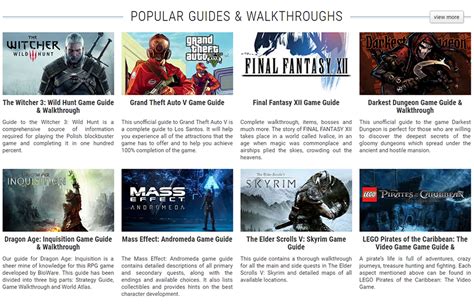
Modern video games are vast and complex, often requiring players to consult extensive guides for everything from quest walkthroughs to optimal build strategies. While comprehensive, these lengthy resources can quickly become overwhelming, making it difficult and frustrating for players to extract the specific piece of information they need in the heat of the moment or during a quick reference check. The goal isn’t to shorten guides necessarily, but to make their wealth of information accessible and actionable.
Core Principles for Streamlined Information Retrieval
Optimizing a gaming guide means adopting a user-centric approach, focusing on how a player interacts with and navigates the content. Several key principles can transform a daunting document into a highly efficient knowledge base.
Embrace a Clear, Hierarchical Structure
The foundation of any optimized guide is a logical and easy-to-follow structure. Utilize clear headings (<h2>, <h3>) to break down content into manageable sections. A prominent, clickable Table of Contents (TOC) at the beginning of the guide, or a sticky sidebar navigation, is indispensable. Each section should cover a distinct topic, allowing players to scan and jump directly to relevant areas.
- Use descriptive headings that clearly indicate the content of the section.
- Maintain consistent heading levels (e.g., all main topics are
<h2>, sub-topics are<h3>). - Keep individual paragraphs concise, focusing on one idea at a time.
Optimize for Searchability and Indexing
Even with excellent structure, players will often resort to searching. Ensure your guide is optimized for both internal site search and external search engines. Use relevant keywords naturally throughout the text, especially in headings and the first few sentences of paragraphs. Implementing a robust internal search function for your guide platform is crucial, allowing players to type a query and get instant, accurate results.

Leverage Visuals and Multimedia
A picture is worth a thousand words, especially in gaming. Screenshots, diagrams, and short video clips can convey complex information far more efficiently than text alone. Use visuals to illustrate quest paths, item locations, skill tree layouts, or combat mechanics. Ensure visuals are high-quality, clearly labeled, and placed contextually near the relevant text.
Concise Language and Actionable Formats
Avoid excessive prose or storytelling where direct information is needed. Get straight to the point. Use bullet points and numbered lists for steps, item lists, or skill descriptions. Bold key terms, values, or action verbs to make them stand out. Prioritize information that is immediately useful to the player, reserving deeper dives for linked appendices or optional sections.
Implement Interactive Elements
Modern web technologies allow for dynamic, interactive guides. Consider implementing features such as:
- Collapsible sections: Allow players to expand or collapse detailed information they may or may not need.
- Tabbed content: Organize related but distinct pieces of information without creating excessively long pages.
- Filters and sorting: For item databases or skill lists, let players filter by rarity, type, level, etc.
- Interactive maps: Pinpoints locations directly on a map, often with tooltips for details.
- Build calculators: Tools that help players theorycraft builds based on specific parameters.
Technical Considerations and Best Practices
Beyond content organization, certain technical and maintenance aspects are vital. Ensure your guide is mobile-responsive, as many players access guides on phones or tablets alongside their gaming session. Maintain consistent formatting throughout the guide for a professional and predictable user experience. Finally, keep your guides updated. Games evolve, and outdated information is not just unhelpful, but can be actively misleading. Solicit and incorporate community feedback to continuously improve clarity and accuracy.
Conclusion: Empowering Players, Enhancing Guides
Optimizing lengthy gaming guides isn’t just about tidiness; it’s about respecting player time and enhancing their overall gaming experience. By applying principles of clear structure, searchability, visual communication, concise language, and interactive elements, guide creators can transform overwhelming data into easily digestible, precise information. This approach not only makes guides more valuable to the community but also solidifies their reputation as reliable and indispensable resources for any aspiring or seasoned gamer.



