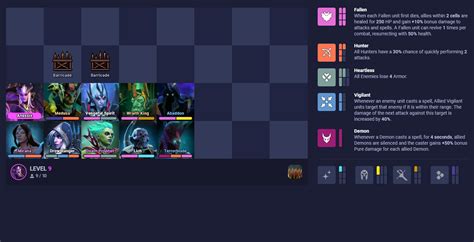
How to optimize my build to counter current meta threats effectively?

Understanding the Evolving Meta
The landscape of competitive gaming is in constant flux, shaped by developer patches, community discoveries, and professional play. What was dominant last season might be obsolete today, making the ability to adapt your build crucial for consistent success. Optimizing your build isn’t just about picking powerful items; it’s about making informed choices that directly address the most pressing challenges presented by the current ‘meta’ – the most effective tactics available.
Identifying Key Meta Threats
Before you can counter threats, you must identify them. This involves observing which champions, playstyles, and item combinations are currently overperforming. Are opponents consistently bursting you down before you can react? Is their frontline unkillable? Is a specific type of crowd control crippling your team? Common meta threats often fall into categories such as high burst damage (magic or physical), sustained damage output, heavy crowd control (CC), extreme tankiness, or high mobility/disengage potential.
Regularly reviewing patch notes, watching professional tournaments, and even paying attention to what’s successful in your own games are excellent ways to stay informed. Don’t just copy builds; understand *why* they work and what threats they are designed to mitigate or amplify.
Core Principles of Counter-Building
Defensive Optimization
If the meta is dominated by burst physical damage, stacking armor and health becomes paramount. Against magic burst, magic resistance and health are key. But it’s not always so straightforward. Sometimes, countering sustain damage requires healing reduction (anti-heal) rather than pure resistances. If crowd control is the issue, items or talents that provide ‘tenacity’ or ‘cleanse’ effects can be game-changing. Prioritize defensive stats that directly negate the primary damage types or disruptive effects you’re facing most often.
Offensive Counters
Countering isn’t solely defensive. Sometimes the best defense is a good offense. If the enemy team is building extremely tanky, items that provide armor penetration, magic penetration, or ‘true damage’ become incredibly valuable. If their champions rely heavily on lifesteal or healing, anti-heal items are a must. Similarly, if mobile champions are giving you trouble, consider items that provide slow effects or reveal invisibility to pin them down.
Adapting Your Playstyle and Itemization
Build optimization isn’t just pre-game; it’s a dynamic process throughout the match. Be prepared to deviate from your standard build based on how the enemy team is performing and what items they are purchasing. Did their assassin get fed early? Prioritize a defensive item. Is their tank stacking armor? Rush an armor penetration item. Your rune or talent choices can also be optimized for specific matchups, providing early game advantages or late game scaling that directly counters a threat.
Communication with your team is also vital. A well-coordinated team can collectively build to counter the enemy, with different members focusing on different aspects of the threat, such as one player building anti-heal while another focuses on area-of-effect damage to break through a grouped-up composition.
Analyzing and Responding to Patches
Game developers frequently release patches that buff or nerf champions, items, and mechanics. These changes are the primary drivers of meta shifts. Make it a habit to read patch notes thoroughly and understand the implications. Test out new strategies and builds in casual games before taking them into ranked play. Don’t be afraid to experiment, as sometimes the most effective counter-builds are discovered by those willing to think outside the box.
Conclusion: The Dynamic Nature of Optimization
Mastering build optimization to counter current meta threats is an ongoing journey. It requires a keen understanding of game mechanics, constant vigilance regarding meta shifts, and a willingness to adapt your strategy. By methodically identifying threats, understanding core counter-building principles, and continuously adapting your in-game choices, you’ll significantly improve your performance and climb the ranks more effectively. Stay curious, stay analytical, and always be ready to evolve your approach.