How to optimize Windows 11 for max FPS in competitive shooters?
Unlock Peak Performance: Optimizing Windows 11 for Competitive Gaming
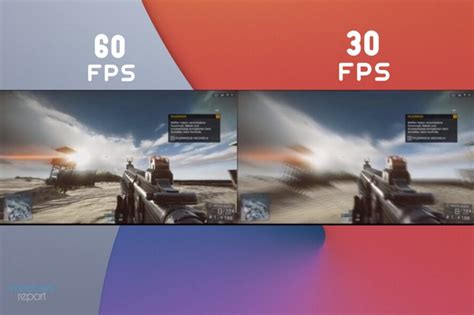
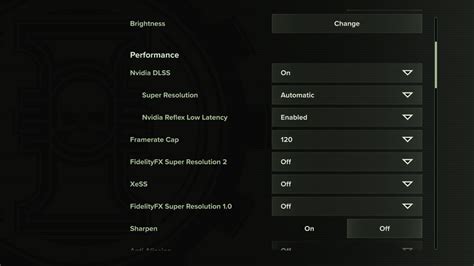
For competitive gamers, every frame per second (FPS) and millisecond of latency can mean the difference between victory and defeat. While high-end hardware is crucial, a properly optimized Windows 11 operating system can significantly boost your in-game performance, providing a smoother, more responsive experience. This guide will walk you through essential settings and tweaks to squeeze every last drop of performance from your Windows 11 machine for maximum FPS in your favorite competitive shooters.
Essential Driver Updates and System Health
The foundation of any good gaming setup is up-to-date drivers. Outdated graphics, chipset, or audio drivers can severely hamper performance and introduce instability. Always ensure your GPU drivers (NVIDIA, AMD, Intel) are the latest version available directly from the manufacturer’s website. Additionally, regularly check for Windows Updates, as these often include performance improvements and critical security patches.
- Graphics Drivers: Download and install the latest drivers directly from NVIDIA, AMD, or Intel. Perform a clean installation if possible.
- Chipset Drivers: Update your motherboard’s chipset drivers from your motherboard manufacturer’s website.
- Windows Updates: Go to
Settings > Windows Updateand ensure your system is current.

Optimize Windows 11 Gaming Features
Windows 11 includes several built-in features designed to improve gaming, but some might need tweaking or disabling based on your setup and game preferences.
Game Mode
Game Mode is designed to prioritize your game by dedicating system resources to it. While generally beneficial, ensure it’s enabled.
- Go to
Settings > Gaming > Game Modeand toggle it On.
Disable Memory Integrity (VBS)
Virtualization-based Security (VBS), including Memory Integrity, can provide enhanced security but often comes with a performance hit. For maximum FPS, especially on less powerful systems, disabling it is recommended.
- Search for “Core Isolation” in the Windows search bar.
- Under Memory integrity, toggle it Off. You may need to restart your PC.
Graphics Settings (Hardware-accelerated GPU scheduling)
Hardware-accelerated GPU scheduling can reduce latency and improve performance on supported hardware.
- Go to
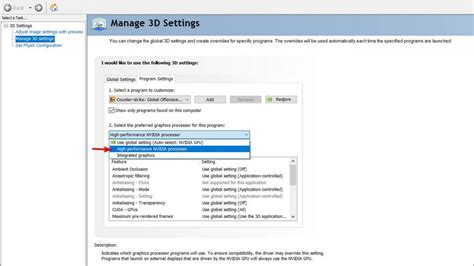
Settings > System > Display > Graphics. - Under “Default graphics settings,” toggle Hardware-accelerated GPU scheduling to On.
- Also, ensure you add your competitive game executables here and set them to “High performance.”
Adjust Power Plan Settings
Windows 11’s default power plans often prioritize energy saving, which can limit CPU and GPU performance. Switching to a High Performance or Ultimate Performance plan is crucial for gaming.
- Search for “Edit power plan” or “Choose a power plan” in the Windows search bar.
- Select “High performance” or “Ultimate Performance” (if available).
- Click “Change plan settings” next to your chosen plan, then “Change advanced power settings.”
- Ensure “Processor power management” has a minimum processor state of 100%.
Tweak Visual Effects and Background Processes
Reducing unnecessary visual flair and background processes frees up system resources for your game.
Performance Options
- Search for “Adjust the appearance and performance of Windows.”
- Under the “Visual Effects” tab, select “Adjust for best performance” or manually uncheck non-essential animations and visual effects.
Disable Startup Apps
Too many programs launching with Windows can consume valuable RAM and CPU cycles.
- Open Task Manager (Ctrl+Shift+Esc).
- Go to the “Startup apps” tab. Disable any non-essential applications that launch automatically.
Disable Notifications
Notifications can be distracting and consume minor resources.
- Go to
Settings > System > Notificationsand toggle Off for unwanted apps or disable all notifications during gaming sessions using Focus Assist.

Optimize Network Settings for Low Latency
Competitive shooters demand low latency. Optimizing your network can reduce ping and improve responsiveness.
- Ethernet Over Wi-Fi: Always use a wired Ethernet connection instead of Wi-Fi for stability and lower latency.
- Disable Nagle’s Algorithm: This algorithm can cause minor input delay. It requires a registry edit and should be done with caution. (Search for specific guides online for this advanced tweak if comfortable.)
- Update Network Drivers: Ensure your network adapter drivers are up to date.

Additional Advanced Tweaks
- Storage Sense: Ensure you have enough free disk space. Storage Sense (
Settings > System > Storage) can help automatically clean up temporary files. - Disable Xbox Game Bar: If you don’t use it, disable the Xbox Game Bar (
Settings > Gaming > Xbox Game Bar) to prevent it from consuming resources. - Close Background Applications: Before launching a game, close all unnecessary applications running in the background.
- Monitor Refresh Rate: Ensure your monitor is set to its highest refresh rate in Windows Display Settings.
Conclusion
Optimizing Windows 11 for competitive gaming is a continuous process. By systematically applying these settings and regularly checking for updates, you can significantly improve your FPS and reduce input latency, giving you a tangible advantage in competitive shooters. Remember to test changes one by one to identify what works best for your specific system and gaming habits. Good luck, and may your frame rates be ever high!