


How to optimize Windows for max gaming FPS and reduce input lag?
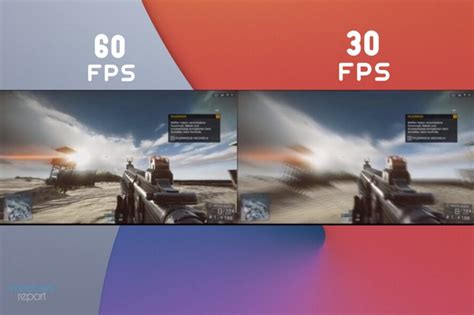
For serious gamers, every frame per second (FPS) and millisecond of input lag can make a crucial difference. While powerful hardware is essential, a finely tuned Windows operating system can unlock your PC’s full potential, ensuring smoother gameplay and more responsive controls. This guide will walk you through the most effective Windows optimization strategies to push your gaming performance to its limits.
Essential Windows Game Mode Settings
Windows 10 and 11 come equipped with a ‘Game Mode’ designed to prioritize your gaming experience. Activating it is the first step. Head to Settings > Gaming > Game Mode and ensure it’s toggled ‘On’. This feature helps prevent Windows updates and other background activities from interfering with your game.
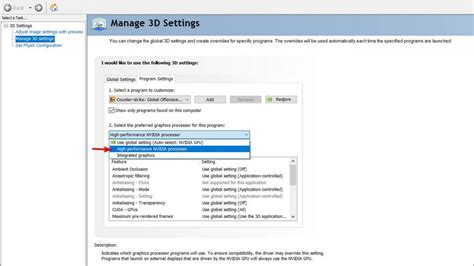
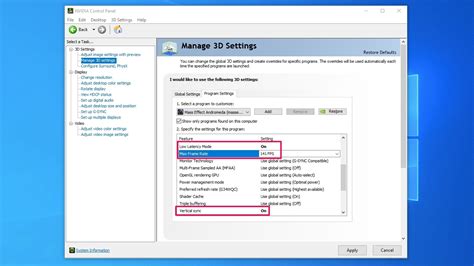
Beyond Game Mode, delve into the ‘Graphics settings’ found under Settings > System > Display > Graphics (or via the Gaming section in Windows 11). Here, you can add specific game executables and set their preference to ‘High performance’. This ensures your dedicated GPU is always used for your games, rather than integrated graphics.

Optimize Power Plans and Startup Programs
Your PC’s power plan significantly impacts performance. Navigate to Control Panel > Hardware and Sound > Power Options. Select ‘High Performance’ or ‘Ultimate Performance’ if available. These plans ensure your CPU and GPU operate at their maximum clock speeds without throttling.
Bloatware and unnecessary startup programs consume valuable RAM and CPU cycles. Open Task Manager (Ctrl+Shift+Esc) > Startup tab and disable any programs you don’t need running immediately after booting. Similarly, check Settings > Apps > Apps & features and uninstall any unused applications. Reducing background processes frees up resources for your games.

Update Graphics Drivers and Windows
Keeping your graphics drivers up-to-date is paramount for gaming performance. Visit the official website of your GPU manufacturer (NVIDIA, AMD, or Intel) and download the latest drivers. These updates often include significant performance optimizations and bug fixes for new game releases. A clean installation is recommended to avoid potential conflicts.
While some gamers prefer to pause Windows updates, ensuring your operating system is reasonably current can also provide performance benefits, security enhancements, and compatibility fixes. Schedule updates during non-gaming hours to minimize disruption.
Network Optimization for Reduced Latency
For online gaming, network latency (ping) is crucial. Always prioritize a wired Ethernet connection over Wi-Fi. Ethernet provides a more stable and faster connection with lower latency. If Wi-Fi is your only option, ensure your router is in an optimal location and consider using a 5GHz band for less interference.
Disable ‘Nagle’s Algorithm’ (a networking optimization) through a registry edit if you’re comfortable. While it can improve TCP/IP efficiency, it can also introduce minor delays for real-time applications like games. Search for guides on how to safely disable this if you’re experiencing network-related input lag. Also, ensure you don’t have excessive bandwidth-consuming applications running in the background while gaming.
Tweak Visual Effects and Mouse Settings
Windows’ visual effects can add aesthetic flair but consume system resources. Go to Control Panel > System and Security > System > Advanced system settings > Performance Settings. Under the ‘Visual Effects’ tab, select ‘Adjust for best performance’. This disables non-essential animations and visual flourishes, freeing up CPU and GPU cycles.
For competitive gaming, mouse settings are vital. In Settings > Bluetooth & devices > Mouse > Additional mouse settings (or Control Panel equivalent), navigate to the ‘Pointer Options’ tab. Disable ‘Enhance pointer precision’. This feature, also known as mouse acceleration, makes your mouse movement inconsistent and harder to build muscle memory. Disabling it provides a direct 1:1 input, which is preferred by most pro gamers.
Additional Advanced Tips
- Disable unnecessary notifications: Go to Settings > System > Notifications and turn off notifications from apps you don’t need interrupting your game.
- Empty temporary files: Regularly use Disk Cleanup (search for it in the Start Menu) to remove temporary files, old Windows updates, and other junk data that can accumulate over time.
- Check BIOS/UEFI settings: Some motherboards offer performance-enhancing options like XMP profiles for RAM or specific CPU features that can be enabled for better gaming performance. Consult your motherboard manual.
- Consider disabling VBS (Virtualization-Based Security): If enabled, VBS can sometimes impact gaming performance. You can check its status in System Information (search for ‘msinfo32’). Disabling it might offer a slight FPS boost, but be aware of the security implications.

Optimizing Windows for gaming is an ongoing process. By implementing these tweaks, you’ll not only enjoy higher FPS but also experience a noticeable reduction in input lag, giving you a competitive edge and a more immersive gaming experience. Remember to test changes incrementally to understand their impact on your specific system and games.