How to optimize Windows for max gaming FPS & lower input lag?

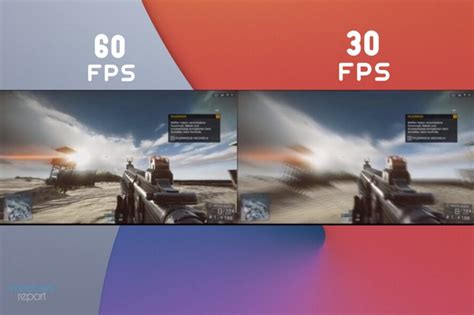
Even with powerful hardware, a poorly optimized Windows installation can bottleneck your gaming performance, leading to frustrating frame rate drops and noticeable input lag. This guide will walk you through essential tweaks and settings to get the most out of your system, ensuring a smoother, more responsive gaming experience.
Optimize Core Windows Settings
Starting with fundamental adjustments within Windows can yield significant improvements.
Enable Game Mode and Graphics Settings
Windows Game Mode is designed to prioritize your game by allocating system resources and suppressing background activities. Ensure it’s enabled:
- Go to Settings > Gaming > Game Mode and toggle it On.
Additionally, take advantage of Hardware-accelerated GPU scheduling (if available on your system and GPU):
- Go to Settings > System > Display > Graphics settings.
- Toggle Hardware-accelerated GPU scheduling to On. This can reduce latency and improve performance in some games.
Adjust Power Plan
By default, Windows often uses a “Balanced” power plan, which can restrict CPU and GPU performance. Switch to “High Performance” or “Ultimate Performance”:
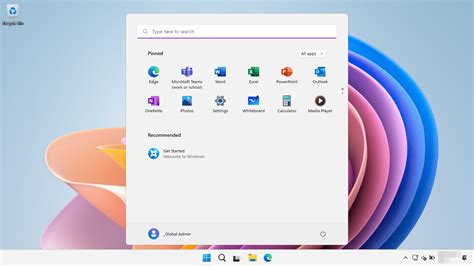
- Search for “Edit power plan” in the Windows search bar and select it.
- Click on “Power Options” in the address bar.
- Select “High Performance” or, if available (often on Pro versions or after specific updates), “Ultimate Performance”. If not visible, click “Show additional plans”.
Disable Notifications and Background Apps
Unnecessary processes and notifications consume resources that could otherwise be dedicated to your game.
- Notifications: Go to Settings > System > Notifications & actions and toggle off features like “Get notifications from apps and other senders” or selectively disable apps.
- Background Apps: Go to Settings > Privacy > Background apps. Turn off “Let apps run in the background” or individually disable apps you don’t need running constantly.
Tweak Visual Effects
For older systems or those struggling, disabling some visual bells and whistles can free up resources.
- Search for “Adjust the appearance and performance of Windows”.
- In the Performance Options window, select “Adjust for best performance” or manually uncheck effects you deem unnecessary.
Update Drivers and Manage Software
Outdated or bloated software can severely impact performance and introduce instability.
GPU Drivers are Crucial
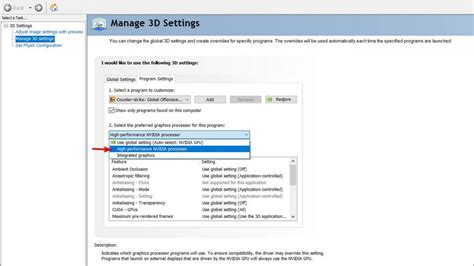
Always ensure your graphics card drivers are up-to-date. Visit the official website for NVIDIA, AMD, or Intel to download the latest stable drivers. Perform a clean installation if possible.
Chipset and Other Drivers
Don’t forget motherboard chipset drivers, audio drivers, and network drivers. These ensure all components communicate efficiently. Visit your motherboard manufacturer’s website for the latest versions.
Remove Bloatware and Unnecessary Software
Many pre-built PCs come with pre-installed applications (bloatware) that run in the background. Uninstall any software you don’t use regularly via Settings > Apps > Apps & features.
Minimize Input Lag and Network Latency
Input lag is the delay between your action and its display on screen. Network latency (ping) affects online gaming responsiveness.
Optimize Network Settings
- Ethernet over Wi-Fi: Always prefer a wired Ethernet connection for online gaming. It’s more stable and generally has lower latency.
- Network Drivers: Ensure your network adapter drivers are up-to-date.
- QoS (Quality of Service): If your router supports it, prioritize your gaming PC’s traffic.
Display and Input Device Settings
- Refresh Rate: Ensure your monitor is set to its highest refresh rate (e.g., 144Hz, 240Hz) in Settings > System > Display > Advanced display settings > Display adapter properties.
- G-Sync/FreeSync: Enable these adaptive sync technologies if your monitor and GPU support them to eliminate screen tearing and reduce input lag when frames drop.
- Mouse Polling Rate: High-end gaming mice allow you to adjust polling rate. A higher polling rate (e.g., 1000Hz) reduces input lag, but can slightly increase CPU usage.
Ongoing Maintenance and Advanced Tweaks
Regular maintenance helps keep your system running smoothly over time.
Manage Startup Programs
Many applications are configured to launch with Windows, slowing down boot times and consuming resources. Use Task Manager (Ctrl+Shift+Esc) > Startup tab to disable unnecessary programs.
Disk Cleanup and Defragmentation
- SSD: For Solid State Drives, use Windows’ built-in “Optimize Drives” tool. Do NOT defragment an SSD; rather, ensure TRIM is enabled, which “Optimize Drives” handles.
- HDD: For traditional Hard Disk Drives, regular defragmentation can improve file access times.
Consider a Fresh Windows Installation
Periodically, a clean install of Windows can be the most effective way to eliminate accumulated cruft and ensure optimal performance. This is a drastic step, but often yields the best results for long-term optimization.
By systematically applying these Windows optimizations, you can significantly boost your gaming FPS and reduce frustrating input lag. Remember that consistent driver updates and regular system maintenance are key to sustaining peak performance.