How to optimize your main build for shifting meta after patch updates?
The Ever-Evolving Game Landscape
In the dynamic world of online gaming, patch updates are a constant. These updates, often bringing a cascade of changes from character rebalances to new items and mechanics, invariably lead to shifts in the game’s “meta” – the currently most effective tactics available. For dedicated players, maintaining a competitive edge means not just understanding these changes, but actively optimizing your main build to thrive within the new landscape.
Understanding Patch Impact and Meta Shifts
Every major patch introduces variables that can drastically alter the power hierarchy of builds. A seemingly minor buff to a specific ability or a nerf to a commonly used item can ripple through the entire game, rendering previously dominant strategies obsolete and elevating niche builds to prominence. It’s crucial to thoroughly read patch notes, not just for your specific character or class, but for broader system changes, new content, and even changes to other classes that might indirectly affect your build’s viability or counter-matchups.

A “meta shift” isn’t merely about which build is strongest; it encompasses preferred strategies, team compositions, and even the pace of the game. For instance, a patch might encourage aggressive early-game play, favoring builds with strong burst damage, or conversely, it might reward scaling builds that excel in longer engagements due to changes in economy or objective value.
Assessing Your Current Build’s Viability
The first step in optimization is an honest assessment of your existing main build. Consider its core components: primary stats, skill allocations, gear choices, and passive abilities. Are these still synergizing effectively after the patch? Has a key item been nerfed into irrelevance, or has a crucial stat lost its potency due to diminishing returns or changes in enemy resistances?
Look for direct impacts on your build, but also indirect ones. If your build relies on specific crowd control, and that CC now has increased resistance timers, your entire strategy might crumble. Conversely, a previously weak aspect of your build might suddenly become powerful due to buffs or the diminished power of its counters. Be open to the possibility that a complete overhaul might be necessary, rather than just minor tweaks.
Strategies for Adaption and Optimization
Once you’ve identified the specific impacts, you can begin to adapt. This might range from minor gear swaps or skill point reallocations to a complete respec and gear farming spree. Prioritize core stats that offer undeniable value regardless of the meta (e.g., survivability, resource regeneration) and then layer on specific offensive or utility stats that complement the current meta’s demands.

Consider the new “power spikes” in the game. Do certain items now provide a disproportionate advantage at specific stages? Does a newly buffed ability unlock entirely new rotations or combo potential? Resource management is also key; evaluate the cost-benefit of gold, time, or in-game currency spent on respecs, crafting, or acquiring new gear. Sometimes, a slightly sub-optimal but readily available item can outperform a theoretically superior but unattainable one.
Testing and Iteration in the New Meta
Theorycrafting is important, but practical application is paramount. Take your adapted build into various game modes or specific training areas. Pay close attention to its performance. Does it feel clunky? Is your damage output significantly lower than expected, or are you too fragile? Don’t be afraid to iterate; sometimes the first adaptation isn’t the perfect one. Small changes can have significant effects.

Engage with the community. Forums, social media, and dedicated content creators often provide valuable insights into emerging meta trends and effective build variations. While blindly copying isn’t always the answer, understanding what others are finding success with can inform your own optimization process. Observe professional players or high-ranked streamers to see how they’re approaching the new meta, and what unique strategies they are employing.
Proactive Meta-Monitoring and Future-Proofing
Optimization isn’t a one-time event; it’s an ongoing process. Stay informed about upcoming patches, developer communications, and subtle shifts in player behavior. Identifying trends before they become fully entrenched in the meta can give you a significant advantage, allowing you to prepare your build for the next wave of changes rather than react to them.

Experiment with off-meta builds in casual settings. Sometimes, a seemingly weak combination of skills or items might find its moment to shine in a future patch. Understanding the underlying mechanics of your game deeply will enable you to predict potential future meta shifts and position your build to capitalize on them.
Staying Ahead of the Curve
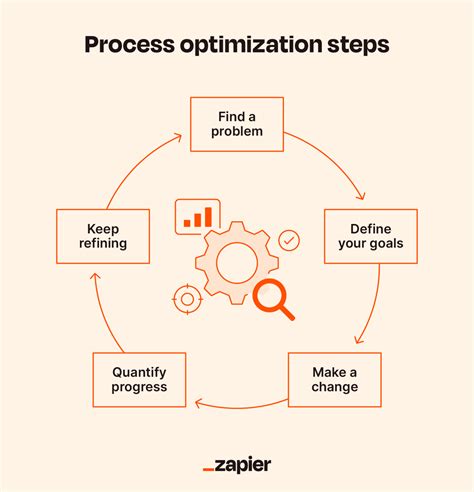
Optimizing your main build for a shifting meta after patch updates is a core skill for any serious gamer. It requires diligent research, analytical thinking, a willingness to adapt, and continuous testing. By embracing the iterative process of assessment, adaptation, and testing, you not only keep your build competitive but also deepen your understanding of the game’s mechanics, ensuring you’re always one step ahead in the ever-evolving virtual battlefield.