How to pivot builds when meta shifts after a major patch?

Major game patches are often thrilling, bringing new content, balance adjustments, and sometimes, a complete upheaval of the established meta. For competitive players and enthusiasts alike, these shifts present both a challenge and an opportunity. Sticking to old, now-ineffective builds can cost you precious ranks, while quickly adapting can give you a significant edge. Mastering the art of the build pivot is crucial for sustained success.
Understanding the Ripple Effect of Patches
A new patch rarely acts in isolation. A buff to one character might indirectly nerf another, or a change to an item’s stats could invalidate an entire class of strategies. Developers often tweak core mechanics, adjust numbers on abilities, or introduce new items and systems that fundamentally alter how the game is played. These changes send ripples throughout the game, affecting character power levels, optimal itemization, counter-picks, and even the fundamental playstyles that define the meta.
Your previously optimized, high-win-rate build might suddenly become obsolete overnight, falling victim to nerfs, new counters, or simply being outclassed by emerging strategies. Recognizing this interconnectedness is the first step in successful adaptation.
Phase 1: Initial Reconnaissance and Data Gathering
When a new patch drops, don’t jump straight into ranked games. Your first priority should be to gather information. Read the official patch notes thoroughly – not just the headlines, but the detailed explanations. Pay close attention to:
- Nerfs and Buffs: Which characters, items, or abilities were made stronger or weaker?
- New Content: Any new characters, items, maps, or mechanics? How might they interact with existing elements?
- System Changes: Fundamental alterations to game mechanics (e.g., jungle changes, economy adjustments, map objectives).
Beyond the official notes, observe early high-level gameplay, check community forums, and cautiously examine early tier lists. While these early impressions can be speculative, they often highlight potential shifts and dominant strategies emerging from initial experimentation.
Phase 2: Theorycrafting and Experimentation
With an understanding of the patch’s changes, it’s time to put on your theorycrafting hat. Instead of blindly copying a new build from a pro player, try to understand why it works. Identify the core changes that enable a new strategy or invalidate an old one. Is a previously weak stat now incredibly strong? Did a new item create a powerful synergy?
Use your gathered knowledge to hypothesize new build paths or modifications to existing ones. Don’t be afraid to think outside the box initially. The goal here is to explore possibilities, not to find the perfect build immediately.
Once you have a few theories, take them into low-stakes environments – casual matches, practice modes, or even custom games with friends. During experimentation, focus on:
- Power Spikes: When does your build feel strong?
- Weaknesses: What are its vulnerabilities?
- Synergy: How do the different components of your build interact with each other and your character’s kit?
- Viability: Does it feel consistently strong against various opponents or in different game situations?
Phase 3: Adapting Your Build Portfolio
Based on your theorycrafting and experimentation, you can now begin to adapt your build portfolio. This might involve completely discarding old builds and creating entirely new ones, or it could mean making significant modifications to existing favorites.
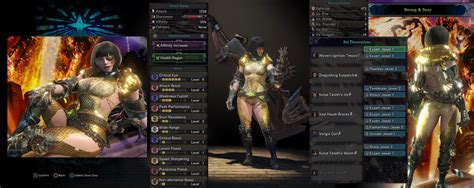
Consider alternatives for components that were previously essential but are now less effective. If a core item for your champion was nerfed, what are the next best options? If a specific stat became overpowered, how can you maximize its presence in your build?
Also, think about counter-meta strategies. If everyone is suddenly playing a certain type of build or character, what builds can effectively counter that new trend? Being able to pivot not just to the meta, but also to counter the meta, is a powerful tool.
Phase 4: Continuous Monitoring and Refinement
The meta is rarely static; it’s a dynamic, evolving ecosystem. Even after a major patch, it takes time for optimal strategies to solidify, and even then, they can shift. The first week’s dominant strategy might be countered in the second week, leading to further adjustments.
Continue to monitor your performance, review your games, and stay updated on community discussions. Don’t be afraid to make further adjustments to your builds as new insights emerge or as the meta continues to settle. What worked yesterday might not be optimal today, and vigilance is key.
Developers also often release mini-patches or hotfixes soon after a major update to address immediate balance issues. Keep an eye out for these, as they can necessitate further minor adjustments to your builds.
Common Pitfalls to Avoid
- Blindly Following: Don’t just copy a top player’s build without understanding the underlying reasons or if it fits your playstyle.
- Sticking to Old Habits: Refusing to let go of a build that is clearly no longer viable will only hinder your progress.
- Overreacting: Don’t make drastic changes based on one bad game or a single opinion. Gather data and experiment before committing.
- Ignoring Your Playstyle: While adapting is important, always try to find builds that still resonate with your personal strengths and preferred playstyle.
Pivoting builds in a shifting meta is an essential skill for any serious gamer. It’s a continuous process of learning, adapting, and refining. By understanding the patch’s impact, actively theorycrafting, experimenting, and continuously monitoring the game, you can stay ahead of the curve and turn every major patch into an opportunity for growth and victory.