





How to prevent review bombing on new game releases while fostering authentic player feedback?

The Double-Edged Sword of Player Reviews
In the digital age, player reviews are the lifeblood of a game’s success. They inform purchasing decisions, build community, and provide invaluable insights for developers. However, this powerful tool can be weaponized in a phenomenon known as review bombing – a coordinated effort to flood a game’s review page with negative scores, often for reasons unrelated to the game’s actual quality. This destructive practice can cripple a new release, unfairly damage reputations, and stifle innovation. The critical challenge for developers and platforms alike is finding a robust strategy to prevent such attacks while simultaneously nurturing an environment where genuine player feedback can thrive.
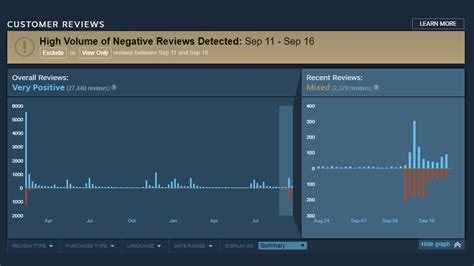
Understanding the Mechanics and Motives Behind Review Bombing
Review bombing typically involves a surge of negative reviews, often occurring within a short timeframe after a game’s launch. The motives vary wildly: it could be a protest against a developer’s controversial decision, anger over technical issues, a reaction to perceived political stances, or even a coordinated attack based on external events unrelated to the game itself. Regardless of the reason, the outcome is often a skewed perception of the game’s quality, leading to a significant drop in sales and an erosion of player trust.
Detecting review bombing requires sophisticated algorithms that can identify unusual patterns in review submission, such as a sudden spike in negative scores from new accounts, or reviews sharing similar phrasing and sentiments. Platforms like Steam have made strides in identifying and flagging these incidents, but the cat-and-mouse game continues as tactics evolve.
Proactive Strategies to Mitigate Review Bombing
1. Transparent Communication and Community Engagement
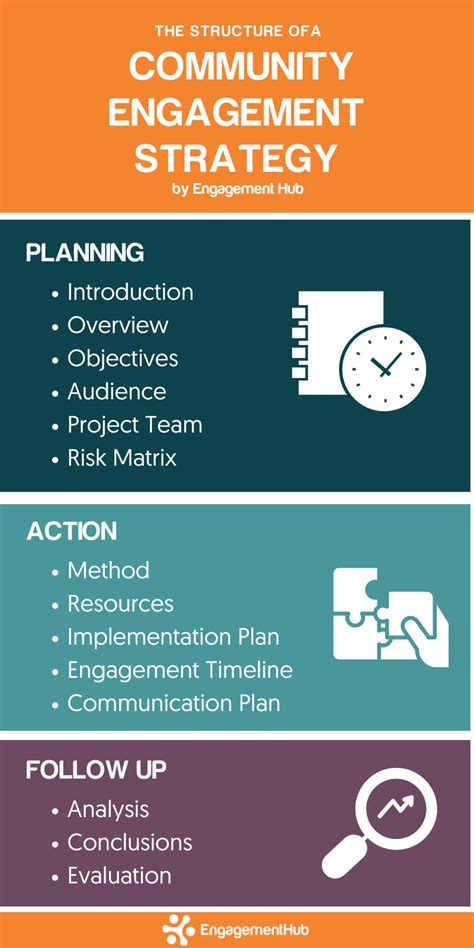
Prior to launch, transparent and consistent communication with the player base can pre-empt many sources of frustration. Clearly outlining game features, managing expectations, and promptly addressing concerns can build goodwill. Active engagement with community managers across platforms helps identify brewing discontent early.
2. Robust Quality Assurance and Post-Launch Support
Many review bombs stem from genuine player disappointment with a game’s quality, particularly technical issues. Investing in thorough QA and having a clear post-launch patch roadmap demonstrates a commitment to players. Quick responses to bugs and performance issues can turn potential bombers into advocates.
3. Player Verification and Playtime Requirements
Implementing systems that require a certain amount of playtime before a review can be submitted, or verifying a purchase, can deter drive-by review bombers who haven’t actually experienced the game. While not foolproof, it adds a layer of friction for malicious actors.

4. Advanced Moderation and Algorithmic Detection
Platforms can employ AI-driven algorithms to detect suspicious review activity, flag potential review bombs, and even temporarily hide reviews during suspected attacks. Human moderators can then review flagged content to differentiate between legitimate criticism and coordinated abuse. Some platforms also implement a ‘weighted average’ system, giving more prominence to reviews from long-term, engaged users.
5. Delayed Review Visibility or Phased Rollouts
In some cases, delaying the public display of reviews for the first 24-48 hours post-launch could provide a buffer, allowing the initial rush of legitimate players to contribute their feedback before a coordinated attack can gain full momentum.
Cultivating an Environment for Authentic Player Feedback
While prevention is crucial, the ultimate goal is to foster a space where constructive criticism and positive experiences can be shared freely. This requires a proactive approach:
1. Dedicated Feedback Channels
Beyond public review pages, developers should provide structured feedback channels – forums, Discord servers, in-game reporting tools, or dedicated bug trackers. This allows players to provide detailed feedback in a constructive manner, rather than resorting to review pages for complaints.
2. Developer Responsiveness and Transparency
When developers actively listen and respond to feedback – acknowledging issues, detailing plans for updates, and celebrating player contributions – it builds trust. Even when feedback is critical, a respectful and communicative response can de-escalate tension and encourage more thoughtful engagement.
3. Community Guidelines and Moderation
Clear community guidelines for all feedback channels, enforced by active moderation, help maintain a positive and constructive environment. This ensures that discussions remain focused on the game and its improvement, rather than devolving into personal attacks or unrelated grievances.

4. Highlighting Positive and Constructive Reviews
Platforms can do more to highlight well-written, constructive reviews – both positive and negative – ensuring they receive visibility over spam or malicious content. This encourages players to invest time in crafting thoughtful feedback.
The Continuous Balancing Act
Preventing review bombing while fostering authentic feedback is an ongoing challenge, not a one-time solution. It requires constant vigilance, technological adaptation, and a deep commitment to the player community. Developers and platforms must continuously refine their strategies, learning from each incident and evolving their approach to protect game launches from malicious attacks, while simultaneously ensuring that the voices of their genuine players are heard, valued, and amplified.
Ultimately, a healthy ecosystem of game reviews is built on trust, transparency, and respect. By implementing robust anti-bombing measures and championing avenues for sincere feedback, the industry can work towards a future where player reviews truly reflect the diverse experiences and opinions of the gaming community.



