





How to provide complete gaming walkthroughs without spoiling major plot points?
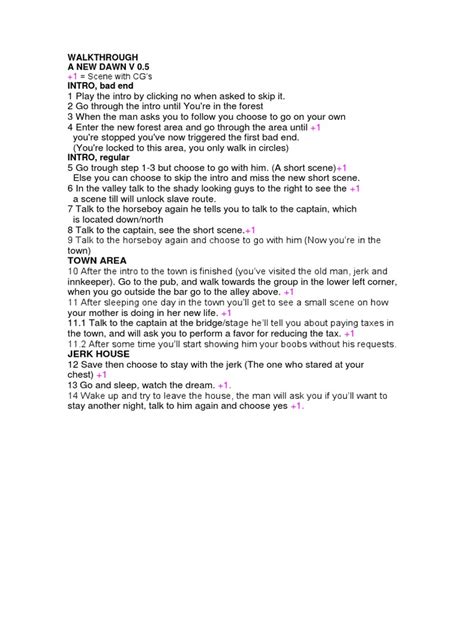
Navigating the Walkthrough Writer’s Dilemma
Crafting a comprehensive gaming walkthrough is an art form, balancing the desire to assist players through challenging sections with the critical need to preserve their discovery of a game’s story. The thrill of uncovering a plot twist, meeting a new character, or experiencing a pivotal narrative moment firsthand is central to the gaming experience. As a guide creator, your mission is to empower players, not to rob them of these crucial narrative beats. This guide will outline strategies to achieve both completeness and discretion.

Implement Clear Spoiler Policies and Warnings
Transparency is paramount. Before even beginning the walkthrough, establish a clear spoiler policy. State explicitly what your guide will and won’t reveal. For sections that contain unavoidable plot revelations (e.g., boss fights tied to story events), use prominent spoiler warnings. These can be in the form of bolded text, separate headings, or even collapsible sections that users must click to reveal. Empower players to choose their level of exposure to story details.
Consider structuring your guide with sections clearly labeled “Gameplay Mechanics,” “Puzzle Solutions,” and optionally “Story Synopsis (Spoilers Ahead)” for those who want to catch up or revisit narrative points after completing the game. This segmentation allows players to navigate precisely to the help they need without accidentally stumbling upon critical plot information.
Focus on ‘How-To’ Over ‘Why’
The core of a spoiler-free walkthrough lies in its focus. Instead of detailing the narrative motivations behind events, concentrate on the practical aspects: what the player needs to do, where they need to go, and how they can overcome obstacles. For instance, when describing a boss fight, focus on attack patterns, weaknesses, and optimal strategies rather than the boss’s identity or its role in the overarching plot. Similarly, for puzzles, provide the solution steps without explaining the lore or story implications of the puzzle’s existence.
- Movement & Exploration: Guide players through complex environments, pointing out hidden paths, collectibles, and critical objectives without explaining their narrative significance.
- Combat Encounters: Detail enemy types, effective weapons, shield mechanics, and tactical advice, sidestepping character motivations or story-driven origins.
- Puzzle Solutions: Provide step-by-step instructions for solving puzzles, focusing solely on the mechanics required to progress.

Employ Vague Language for Narrative Elements
When narrative elements are unavoidable for context (e.g., entering a new location that is significant to the story), use general or vague language. Instead of “After defeating the evil sorcerer X who kidnapped Princess Y,” you might write, “Upon overcoming a significant challenge, you will proceed to a new area,” or “Following a pivotal encounter, the path forward opens.” This provides necessary guidance without revealing character names, specific events, or plot twists. Avoid character names or specific dialogue unless absolutely essential for a specific puzzle or objective.
This approach requires careful word choice and a constant awareness of what information directly aids player progression versus what illuminates the story. The goal is to inform actions, not to explain consequences or motivations.
Segment Optional Content and Side Quests
Side quests, optional areas, and collectible hunts are often the safest ground for detailed, spoiler-free walkthroughs. These segments typically have minimal impact on the main plot and can be fully explored without fear of revealing major story points. Dedicate separate sections or appendices to these elements, allowing players to thoroughly complete them at their leisure. This adds significant value to your guide without compromising the main narrative experience.
Address Player Choices and Multiple Endings Responsibly
Many modern games feature branching narratives and multiple endings based on player choices. To handle these without spoilers, present the choices clearly without revealing their immediate narrative outcomes. For example, “At this juncture, you will be presented with two distinct paths: Option A and Option B. Each leads to different short-term consequences.”
For detailed explanations of multiple endings, create a completely separate, clearly labeled “Endings (Major Spoilers!)” section at the very end of your guide, or even in a companion article. This allows players to finish the game on their own terms and then revisit the guide to explore alternative outcomes or understand the full implications of their choices.

Review and Refine Through a “Blind Playthrough” Lens
Once your walkthrough is drafted, a critical step is to review it from the perspective of someone playing the game for the first time. Ask yourself: “Does this paragraph reveal anything I wouldn’t want to know before experiencing it myself?” Recruit a beta reader who hasn’t played the game to test your guide. Their feedback will be invaluable in identifying inadvertently revealed plot points or areas where vagueness could be improved without sacrificing clarity.
Continuously iterate and refine your guide based on community feedback. Players are often vocal about spoilers, and listening to their input can help you strike the perfect balance between helpfulness and narrative preservation. A living, evolving walkthrough is often the most effective.

Conclusion
Providing a complete gaming walkthrough without spoiling major plot points is a delicate balancing act, but it is entirely achievable with careful planning, precise language, and a player-first mindset. By implementing clear spoiler warnings, focusing on mechanics over narrative, employing vague descriptions for story elements, and segmenting content effectively, you can create a resource that genuinely enhances the player’s journey, guiding them through challenges while preserving the magic of discovery.



