How to quickly adapt your endgame build to a sudden meta shift post-patch?
Few things are as frustrating for a dedicated gamer as investing countless hours into perfecting an endgame build, only for a new patch to suddenly pull the rug out from under it. A meta shift can drastically alter the effectiveness of your carefully curated gear, skills, and stats, leaving you feeling underpowered and unsure of your next move. But don’t despair! Adapting quickly is a skill, and with a systematic approach, you can navigate these changes efficiently and get back to dominating the game.
Understanding the Patch Notes: Your First Line of Defense
The very first step in adapting to a meta shift is to thoroughly read and comprehend the official patch notes. Don’t skim; delve into the details. Look for specific nerfs to your core abilities, gear pieces, or archetypes, and equally, identify buffs to previously underperforming aspects that might now be viable. Pay close attention to system-wide changes, such as alterations to damage calculations, resource regeneration, or crowd control mechanics, as these can have ripple effects across all builds.

Analyzing Your Current Build: What’s Broken, What’s Not?
Once you understand the changes, critically evaluate your existing endgame build. Which components were directly affected by nerfs or buffs? Are there synergistic pieces that no longer work together as effectively? Break down your build into core elements:
- Primary Skills/Abilities: Were your main damage dealers or utility spells weakened?
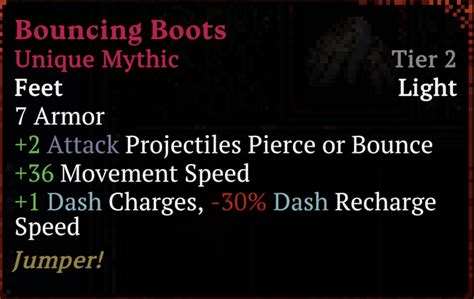
- Key Gear Pieces: Did unique item effects, set bonuses, or stat rolls get changed?
- Stat Distribution: Is your allocation of attributes (e.g., strength, intelligence, critical chance) still optimal given new scaling or caps?
- Talents/Passives: Do your chosen talent trees or passive skills still provide the best returns?
Identify the weakest links and the areas that require immediate attention. Sometimes, only one or two pieces need tweaking, not an entire overhaul.

Prioritizing Adaptation: Focus on Impactful Changes
With a clear understanding of what’s changed, prioritize your adaptation efforts. Start with the most impactful elements:
- Core Skill/Ability Swaps: If your primary offensive or defensive ability was heavily nerfed, research alternatives. Can you pivot to a different primary skill that was buffed or unaffected, even if it means a slight gear reshuffle?
- Critical Gear Adjustments: Replace or re-roll gear pieces that lost significant value. Look for replacements that synergize with your new core skills or exploit newly buffed mechanics.
- Stat Re-evaluation: Re-allocate attribute points or modify enchantments/gems if the optimal stat priority has shifted. Sometimes, a simple shift from crit to haste, for example, can make a huge difference.
- Talent/Passive Respec: Fine-tune your talent tree to support your updated skills and gear. There might be new viable pathways you previously ignored.
Don’t try to change everything at once. Focus on one or two major shifts, test them, and then iterate.
Leveraging Community and Testing: Don’t Go Solo
You don’t have to re-invent the wheel. The gaming community is a powerful resource:
- Content Creators: Watch theorycrafters and top players for their initial reactions and suggested adaptations.
- Forums & Discords: Engage in discussions, ask questions, and share your findings. Often, collective intelligence can find optimal solutions faster.
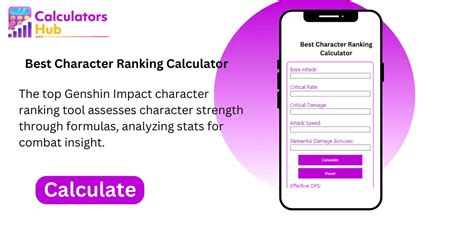
- Build Simulators/Calculators: Many games have external tools that allow you to theorycraft and compare build changes without in-game cost or effort.
Once you have a hypothesis for your adapted build, take it into the game. Test it in various scenarios: dungeons, raids, PvP, open world. Monitor your performance, damage numbers, survivability, and resource management. Be prepared to make further tweaks based on real-world application.

Staying Ahead of the Curve: Long-Term Adaptation Strategy
While quick adaptation is crucial, a long-term mindset helps prevent future headaches. Consider:
- Diversification: Having a few viable alternative builds or understanding different playstyles for your character can make pivoting easier.
- Resource Hoarding: Save in-game currency, crafting materials, or re-spec tokens for when patches hit.
- Understanding Design Philosophy: Try to grasp the developers’ intentions behind changes. Are they pushing a certain playstyle? Are they trying to reduce reliance on specific mechanics? This foresight can help you anticipate future shifts.
Meta shifts are an inherent part of live-service games. By approaching them with a structured methodology, you can transform the challenge of adaptation into an opportunity to learn, optimize, and deepen your understanding of the game’s mechanics. Embrace the change, and you’ll always find a path to victory.