




How to quickly adjust my favorite build to new meta nerfs/buffs?
Navigating the Ever-Shifting Sands of the Meta
The landscape of competitive gaming is constantly evolving. With every patch, developers introduce nerfs and buffs that can shake up the established meta, often rendering once-dominant builds less effective or making niche strategies suddenly viable. For players deeply invested in a particular build, this can be frustrating. The good news is, you don’t always have to abandon your beloved setup entirely. With a strategic approach, you can often quickly adjust your favorite build to new meta realities.
1. Understand the ‘Why’ Behind the Shift
Before making any changes, it’s crucial to understand what was nerfed or buffed and, more importantly, how it impacts your build. Read patch notes thoroughly. Was a key stat on your primary weapon reduced? Did a utility skill lose some crowd control? Did a previously underperforming alternative now offer a significant advantage? Don’t just look at the raw numbers; consider the cascade effect these changes might have on your build’s synergy, survivability, or damage output.
For instance, if a core defensive ability was nerfed, you might need to compensate with more defensive gear or a different talent choice. If an enemy type suddenly becomes more prevalent due due to a buff, you might need to adjust your damage profile to counter them more effectively.
2. Prioritize Core Identity, Make Incremental Changes
Your favorite build likely has a “soul” – a core mechanic or playstyle that defines it and makes it enjoyable for you. The goal of adaptation isn’t to destroy this identity but to optimize it within the new meta. Start with the smallest, most impactful changes first. A complete overhaul should be a last resort.
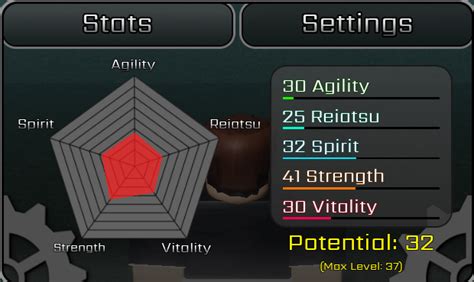
- Stat/Gear Tweaks: Can you swap a single piece of gear, an enchantment, or a gem to compensate for a stat change? Often, shifting a few percentage points of critical chance to haste, or swapping a defensive trinket for an offensive one (or vice-versa), can make a noticeable difference.
- Talent/Skill Adjustments: Review your talent tree or skill selections. Are there alternative nodes that now offer better value? A minor respec might open up new synergies or patch up a weakness created by a nerf.
3. Test, Iterate, and Observe
Theorycrafting is essential, but practical application is where the rubber meets the road. After making a few adjustments, take your build into relevant content (PVP, raids, dungeons, etc.) and observe its performance. Pay attention to:
- Feel: Does it still feel good to play? Is the rotation clunky?
- Effectiveness: Are you hitting the damage numbers you need? Are you surviving encounters?
- Weaknesses: Where are the new vulnerabilities? Are you dying to something you used to easily handle?
Use logs, damage meters, or replay analysis if available in your game to get objective data. Based on your findings, iterate. Perhaps you went too far in one direction and need to pull back, or maybe another small tweak is needed.

4. Consider Playstyle Adjustments
Sometimes, the build itself doesn’t need drastic changes, but how you play it does. A nerf to a defensive cooldown might mean you need to be more conservative with engages or improve your positioning. A buff to an enemy’s burst damage might necessitate holding your own defensive cooldowns for specific moments. Adapt your rotation, target priority, and movement to align with the new meta’s demands.

5. When to Acknowledge a Full Rebuild is Necessary
While adaptation is powerful, there comes a point where a build’s core fantasy or effectiveness is so fundamentally undermined that holding onto it is detrimental. If you’ve made several adjustments, tested them thoroughly, and your build still consistently underperforms or feels unfun, it might be time to start fresh. This isn’t a failure, but rather an acknowledgment of the game’s dynamic nature. Even then, the lessons learned from trying to adapt your previous build will inform your new creation.

Conclusion: The Art of Continuous Optimization
Adapting your favorite build to new meta nerfs and buffs is an ongoing process that requires patience, analytical thinking, and a willingness to experiment. By understanding the changes, making incremental adjustments, thoroughly testing, and refining your playstyle, you can often keep your beloved build viable and continue to excel. Embrace the challenge – it’s part of what makes competitive gaming so engaging.