How to quickly identify if my main PvP build is still meta post-patch?
The Ever-Shifting Sands of the PvP Meta
In the fast-paced world of competitive gaming, a new patch can feel like an earthquake, shaking the very foundations of what was once considered a dominant Player-vs-Player (PvP) build. What was king yesterday might be utterly unplayable today. For dedicated PvP enthusiasts, quickly assessing the viability of your main build isn’t just about winning; it’s about maintaining your competitive edge and adapting to the evolving landscape. But how do you cut through the noise and accurately determine if your tried-and-true setup still holds water?

1. Scrutinize the Official Patch Notes
Your first and most crucial step is to dive deep into the official patch notes. Don’t just skim; read every line relevant to your character, class, weapons, abilities, and gear. Look for direct nerfs or buffs to core components of your build. Did your primary damage ability get a numerical reduction? Was a key defensive stat altered? Changes to global mechanics, such as resource generation, crowd control durations, or movement speeds, can also indirectly impact your build’s effectiveness, even if your specific items or skills weren’t touched.
Furthermore, pay close attention to changes made to other classes or popular meta builds. A buff to a counter-class, for instance, could suddenly make your build less effective in common matchups, even if your own kit remained unchanged. Understanding the broader implications is key to a holistic assessment.
2. Tap into Community & Content Creator Insights
While official notes are factual, the community often provides the first wave of practical analysis. Head to your game’s official forums, Reddit, Discord servers, and popular content creator channels. Look for discussions from high-ranked players or theorycrafters. Many top streamers and YouTubers will release “patch breakdown” videos shortly after an update, offering initial impressions and potential new meta shifts.

However, exercise caution. Early community reactions can sometimes be emotional or based on limited testing. Look for consensus emerging over a day or two, rather than reacting to every immediate outcry. Identify reputable sources known for their objective analysis and detailed explanations.
3. Execute Targeted In-Game Testing
No amount of reading or discussion replaces firsthand experience. The most reliable way to know if your build is still meta is to test it yourself. Start in less-stressful environments: dueling friends, practice arenas, or unranked matches. Focus on specific scenarios:
- Key Matchups: How does your build perform against common opponents that you previously had an advantage or disadvantage against?
- Damage Output: Are your core combo’s still dealing sufficient damage? Has your time-to-kill (TTK) significantly increased?
- Survivability: Are you noticeably squishier? Do defensive cooldowns feel less impactful?
- Resource Management: Is your build still sustainable in longer engagements, or are you running out of resources quicker?
Identify specific pain points or areas where your build feels weaker than before. This targeted testing helps pinpoint exactly what changed in practice, not just on paper.

4. Analyze Key Performance Indicators (KPIs)
For a more objective evaluation, track your performance using quantifiable metrics:
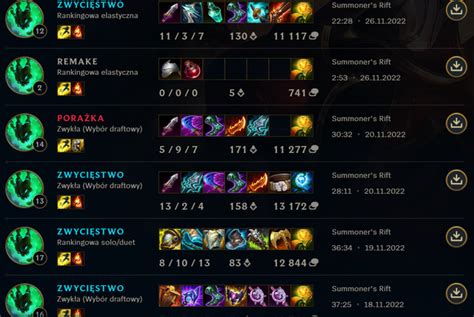
- Win Rate: After a sufficient number of games (e.g., 20-50), compare your current win rate to your pre-patch average. A significant drop is a clear red flag.
- Damage/Healing/Mitigation Numbers: Many games provide post-match statistics. Are your numbers consistently lower than expected?
- Objective Control: If your build focuses on objective play, is your contribution still as impactful?
It’s crucial to gather enough data. A few bad games can happen to anyone. Look for trends, not isolated incidents. These KPIs offer a data-driven perspective beyond just “how it feels.”
5. Be Ready to Adapt and Iterate
Even if your build isn’t completely dead, it might need adjustments. The meta is rarely static. Be prepared to iterate on your setup. This could mean swapping out a single talent, changing an enchantment, or even re-evaluating your entire playstyle. Sometimes, a minor tweak can bring a build back to competitive viability. In other cases, a complete overhaul or switching to an entirely different build might be necessary.
Embrace the dynamic nature of competitive gaming. Staying agile and willing to experiment is a hallmark of truly skilled players who consistently adapt to new challenges and maintain their position at the forefront of the meta.

Conclusion
Identifying whether your main PvP build is still meta post-patch is a multi-faceted process combining diligent research, community engagement, practical in-game testing, and objective data analysis. By systematically approaching each patch with these steps, you can quickly assess your build’s standing, make informed decisions, and ensure you remain a formidable force in the ever-evolving PvP landscape. Don’t just play the game; understand its pulse and adapt to its rhythm.