How to quickly synthesize breaking game patch notes into actionable player advice?
The Challenge of Patch Note Overload
In the fast-paced world of online gaming, staying ahead often means understanding and adapting to new game patches almost instantly. Developers frequently release extensive patch notes filled with technical jargon, numerical adjustments, and sometimes subtle but game-altering changes. For players, content creators, and community leaders, the challenge isn’t just reading these notes, but quickly synthesizing them into practical, actionable advice that can shift strategies, build optimal loadouts, or refine playstyles.
Ignoring or misinterpreting patch notes can lead to a significant competitive disadvantage. The ability to rapidly identify crucial changes and translate them into ‘what to do now’ guidance is a highly valuable skill.
Step 1: Rapid Assimilation – Skim for Key Changes
The first hurdle is the sheer volume of information. To overcome this, don’t read every word. Instead, employ a targeted scanning approach.
Identifying Core Impact Areas
Focus on sections that traditionally carry the most weight:
- Balance Changes: Look for nerfs or buffs to characters, weapons, abilities, or items. These are often numerical changes (+5% damage, -1s cooldown).
- New Content: New maps, characters, weapons, or game modes fundamentally alter the meta.
- Bug Fixes: While many are minor, some bug fixes can inadvertently buff or nerf elements that were previously behaving unexpectedly.
- System Changes: UI updates, matchmaking adjustments, or fundamental game mechanic alterations can have broad impacts.
Keyword Scanning & Diff Tools
Utilize keyword searches (Ctrl+F or Cmd+F) for specific character names, item names, or common game terms like ‘damage’, ‘health’, ‘cooldown’, ‘buff’, ‘nerf’. Some community sites even offer ‘diff’ tools that highlight changes between previous and current patch notes, saving immense time.

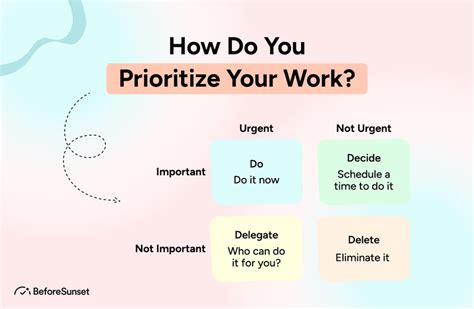
Step 2: Translate & Prioritize – From Notes to Action
Once you’ve identified the key changes, the next step is to understand their implications and prioritize their importance for the player base.
Assessing the “So What?” Factor
For each significant change, ask yourself: “So what does this mean for how players play the game?”
- A 5% damage buff to a specific weapon might make it viable again.
- A 1-second cooldown increase on a critical ability could entirely change a character’s power curve or timing.
- A new game mode might require completely different team compositions or strategies.
Consider both direct and indirect impacts. A buff to one character might indirectly nerf their counters or create new synergies.
Categorizing Changes by Player Type/Role
Not all advice applies to all players. Segment your advice based on player roles, skill levels, or preferred playstyles:
- Competitive Players: Focus on meta shifts, optimal builds, and high-level strategy.
- Casual Players: Emphasize fun new content, quality-of-life changes, and basic adjustments.
- Specific Roles (e.g., Tank, DPS, Support): Tailor advice directly to how changes affect their responsibilities.
Step 3: Formulate Actionable Advice
The goal is not just to summarize, but to provide clear, practical instructions.
Specific Examples and Scenarios
Instead of saying “this character is stronger,” say “consider picking Character X on map Y because their newly buffed ability Z allows for more aggressive pushes.” Offer concrete examples of how to apply the changes in game.
Short-term Adjustments vs. Long-term Strategy
Distinguish between immediate tactical shifts and broader strategic re-evaluations. Some changes might require a temporary pivot, while others demand a complete overhaul of long-standing strategies.
Test and Verify
Where possible, quickly test new theories or changes in-game. Community testing and feedback are invaluable for refining advice and catching nuances that might be missed in the initial reading.
Tools and Techniques for Efficiency
- Community Discussions: Leverage forums, Discord servers, and social media. Often, the collective intelligence of a dedicated community can quickly identify and discuss key changes.
- Streamer Insights: Professional players and streamers often provide immediate, albeit sometimes speculative, reactions to patch notes.
- AI/NLP for Summarization: Emerging tools using natural language processing can help digest lengthy patch notes into concise summaries, though human verification remains crucial.
- Personal Knowledge Base: Keep a running mental or written log of current meta and game mechanics. This context helps you quickly spot what’s truly ‘breaking’ in a new patch.
The Competitive Edge
Being among the first to accurately synthesize patch notes into actionable advice provides a significant advantage. For players, it means adapting faster and winning more. For content creators, it establishes them as a reliable source of information, boosting engagement and authority.
Mastering this skill requires practice, a deep understanding of the game, and a methodical approach. It transforms an overwhelming wall of text into a strategic blueprint for success.