How to reduce network latency & ping for smoother online competitive gaming?
For competitive online gamers, every millisecond counts. High network latency, often experienced as “lag” or high “ping,” can be the difference between a glorious victory and a frustrating defeat. This comprehensive guide will walk you through essential hardware adjustments and software optimizations to drastically reduce your ping and ensure a seamless, responsive gaming experience.

Understanding Latency and Ping
Before diving into solutions, it’s crucial to understand what latency and ping are. Latency refers to the time delay for data to travel from your computer to the game server and back. Ping is the measurement of this latency, usually expressed in milliseconds (ms). Lower ping means faster communication, which is vital for real-time competitive games where quick reactions are paramount.
1. The Foundation: Your Internet Connection & Hardware
Wired is Always Better than Wireless
This is arguably the most impactful change you can make. Wi-Fi introduces inherent latency and instability due to interference and signal degradation. A direct Ethernet connection from your PC to your router provides a more stable, faster, and lower-latency link.
Upgrade Your Internet Plan (If Necessary)
While bandwidth (download/upload speed) isn’t the primary factor for ping, an extremely slow connection can still contribute to higher latency due to congestion. Ensure your internet plan offers sufficient speeds for your household’s usage, especially during peak gaming hours. Fiber optic connections generally offer the lowest latency.
2. Optimizing Your Router & Network Settings
Prioritize Gaming Traffic with QoS (Quality of Service)
Many modern routers include a Quality of Service (QoS) feature. QoS allows you to prioritize certain types of network traffic, such as gaming data, over less time-sensitive activities like streaming or downloads. Access your router’s administration page (usually via a web browser at an address like 192.168.1.1 or 192.168.0.1) and look for QoS settings to give your gaming device or specific game ports higher priority.
Keep Router Firmware Updated
Router manufacturers regularly release firmware updates that improve performance, add features, and fix bugs. Outdated firmware can lead to instability and suboptimal network handling. Check your router manufacturer’s website for the latest firmware and follow their instructions for updating.
Choose an Optimal DNS Server
DNS (Domain Name System) servers translate human-readable website names (like google.com) into IP addresses. While typically not a huge factor for in-game ping, a slow DNS server can impact initial connection times and overall browsing speed. Consider using public DNS servers like Google DNS (8.8.8.8, 8.8.4.4) or Cloudflare DNS (1.1.1.1, 1.0.0.1) which are often faster than your ISP’s default.

3. Fine-Tuning Your Gaming PC
Close Background Applications and Processes
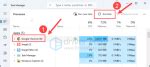
Applications running in the background can consume valuable bandwidth and CPU resources, potentially increasing latency. Before gaming, close any unnecessary browsers, streaming services, download managers, or other programs. Task Manager (Ctrl+Shift+Esc on Windows) can help identify resource-hungry processes.
Update Network Drivers
Outdated or corrupted network adapter drivers can lead to inefficient data handling. Ensure your Ethernet adapter drivers are up to date. Visit your motherboard manufacturer’s website or the network adapter manufacturer’s site to download the latest drivers.
Disable Windows Nagle’s Algorithm (Advanced)
Nagle’s Algorithm bundles small packets of data into a larger single packet to improve network efficiency, but this can introduce a slight delay. For competitive gaming, this delay might be undesirable. Disabling it requires editing the Windows Registry and should only be done by users comfortable with such changes, as incorrect modifications can cause system instability. Research specific guides for your Windows version if you wish to attempt this.

4. Advanced Considerations & Troubleshooting
Consider a Gaming VPN (With Caution)
In some specific scenarios, a gaming-optimized VPN service might reduce ping by routing your connection through a more direct or less congested path to the game server. However, VPNs generally add latency due to encryption and server hops. Test different VPNs and locations carefully to see if they offer an improvement for your specific game and region.
Choose Regional Game Servers Wisely
Always try to connect to the closest possible game server to your physical location. Connecting to a server across continents will inevitably result in much higher ping, regardless of your local optimizations. Most modern games allow you to select your preferred server region.
Contact Your ISP
If you’ve tried all the above and still experience persistently high ping or frequent packet loss, the issue might lie with your Internet Service Provider (ISP). There could be line issues, network congestion on their end, or problems with their routing. Provide them with details of your troubleshooting steps and any specific ping test results.

Conclusion
Achieving consistently low ping for competitive online gaming is a multi-faceted endeavor that combines smart hardware choices with meticulous software configuration. By implementing a combination of these strategies—prioritizing a wired connection, optimizing your router settings, fine-tuning your PC, and understanding server locations—you can significantly reduce network latency. Embrace these practices, and you’ll not only enjoy a smoother, more responsive gaming experience but also gain a crucial competitive edge.