





How to review games effectively for different player types & preferences?

In the vast and varied world of video games, a ‘good’ game is often subjective. What one player adores, another might find tedious. This diversity of taste presents a unique challenge for game reviewers: how do you write a review that resonates with a broad audience while also providing specific, useful insights? The key lies in understanding different player types and tailoring your review to address their unique preferences.
Understanding Diverse Player Archetypes
Before diving into a review, it’s crucial to identify who might play a particular game and what they typically look for. Categorizing players into archetypes helps frame your discussion:
The Casual Gamer
These players seek fun, accessibility, and straightforward mechanics. They often play for short bursts, appreciate intuitive controls, and are less concerned with deep lore or competitive balance. When reviewing for them, emphasize ease of entry, replayability in short sessions, and overall enjoyment without significant time investment.
The Hardcore/Competitive Gamer
This group craves depth, challenge, and mastery. They focus on skill ceilings, strategic complexity, meta-game analysis, and competitive integrity. For these players, highlight the game’s difficulty curve, advanced mechanics, multiplayer balance, potential for competitive play, and post-launch support for long-term engagement.
 A gamer intensely focuses on a screen, possibly in a competitive setting, surrounded by gaming peripherals, depicting a hardcore player.
The Story-Driven/Narrative Enthusiast
Plot, characters, world-building, and emotional impact are paramount for these players. They value immersive experiences, well-crafted narratives, meaningful choices, and compelling lore. In your review, delve into the writing quality, character development, world design, the effectiveness of the story’s themes, and whether player choices truly matter.
The Explorer/Creative Player
Open worlds, sandbox elements, customization, and freedom are appealing to explorers. They love discovering secrets, building things, or forging their own path. Discuss the scope of exploration, the richness of the world, available customization options, and the tools provided for player creativity and self-expression.
The Genre Aficionado
These players have deep knowledge and strong opinions about specific genres (e.g., RPGs, FPS, RTS). They seek innovation within familiar frameworks, respectful homages, or bold departures. Address how the game stands within its genre, its unique contributions, and how it compares to genre benchmarks.
Key Review Aspects to Tailor
Once you’ve considered the potential player types, tailor your discussion of specific game elements:
- Gameplay Mechanics: Is it intuitive or complex? Rewarding skill or just luck? How does it evolve?
- Narrative & World: Is the story compelling? Are characters memorable? Does the world invite exploration or serve as a backdrop?
- Graphics & Sound: Does the art style enhance the experience? Is the performance stable? How does the audio contribute to immersion?
- Replayability & Value: Is there significant post-game content? Does multiplayer have longevity? Is the price justified for the content offered?
- Performance & Technical Stability: Are there bugs? How optimized is it across different platforms? This is crucial for all players.
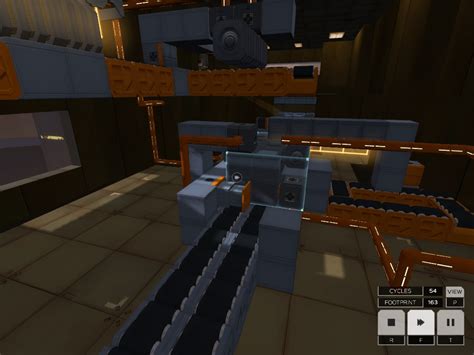 A person playing a video game while taking notes, symbolizing the evaluation process of game mechanics and features.
Crafting Your Review for Specific Audiences
When writing, consider these strategies:
Identify Your Focus
Start by identifying which player types will find this game most appealing. Is it primarily for story enthusiasts, or does its competitive depth stand out? While you can’t cover everything for everyone, clearly stating who the game is for (and perhaps who it isn’t) is incredibly helpful.
Highlight Relevant Pros and Cons
A ‘con’ for one player type might be a ‘pro’ for another. A highly complex skill tree might deter a casual player but excite an RPG enthusiast. Frame your observations by explaining who will appreciate or dislike particular features.
Use Comparative Language
Referencing other games can provide valuable context, especially for genre aficionados. For example, ‘Fans of traditional turn-based JRPGs will find comfort here, but those looking for innovation akin to Persona 5 might be disappointed.’
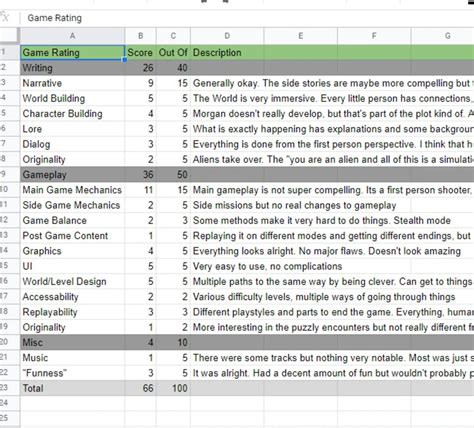 Hands typing on a laptop with gaming screenshots in the background, representing the detailed process of writing a game review.
Be Transparent About Your Own Biases
No reviewer is entirely objective. Briefly acknowledging your own gaming preferences can help readers understand your perspective. For instance, ‘As someone who primarily enjoys story-driven adventures, I found the combat repetitive, but competitive players might appreciate its nuanced meta.’
Structure for Skimmability
Use headings, bullet points, and bold text to make your review easy to navigate. Readers should be able to quickly find the sections most relevant to their interests.
 A diverse group of gamers looking at screens with different types of game reviews, indicating varied preferences.
Conclusion
Effective game reviews go beyond simply stating whether a game is ‘good’ or ‘bad.’ They provide context, anticipate different player expectations, and guide readers to make informed decisions based on their personal preferences. By understanding the diverse landscape of player types and tailoring your analysis to address their specific needs, you can elevate your reviews from simple opinions to invaluable resources for the gaming community.



