How to review live-service games with post-launch updates effectively?

The Evolving Landscape of Game Reviews
The traditional model of game reviews, where a title is launched, assessed once, and given a definitive score, struggles to accommodate the ever-changing nature of live-service games. These titles, built for long-term engagement, are designed to evolve through continuous post-launch updates, new content, balance changes, and community-driven refinements. This presents a unique challenge for reviewers: how do you evaluate something that is, by design, never truly ‘finished’?
A static review for a dynamic product quickly becomes obsolete, potentially misleading consumers and failing to reflect the true state of a game. To effectively serve both developers and players, a more flexible, ongoing review methodology is not just beneficial, but essential.
The Initial Review: A Snapshot, Not a Verdict
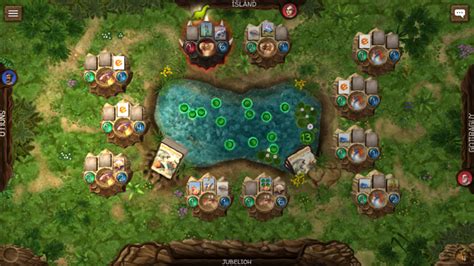
The first step in reviewing a live-service game is the initial launch assessment. This review should focus on the foundational elements: core gameplay mechanics, initial content offering (story campaigns, starting modes, character classes), technical stability and performance, user interface, and the overall vision. It’s crucial for reviewers to clearly communicate that this review reflects the game at a specific point in time – its launch.
Instead of a final verdict, this initial review serves as a comprehensive ‘first impression’ or a ‘launch assessment.’ It helps players understand if the game’s initial state is worth investing their time and money into, while acknowledging the potential for future growth and change. Sometimes, a reviewer might even preface a score with a note about its provisional nature.
Embracing the “Review in Progress” Model
The most effective strategy for live-service game reviews is the ‘review in progress’ or ‘living review’ model. This approach treats the review as a dynamic document that can be updated over time to reflect significant changes. It acknowledges that a game’s quality, value, and even its fundamental identity can shift dramatically months or years after launch.
When adopting this model, reviewers should clearly indicate when the review was last updated, what major changes prompted the update, and how those changes have impacted the game’s overall quality and score (if a score is used). This transparency builds trust with the audience and provides a more accurate, up-to-date resource.

Key Aspects for Ongoing Evaluation
- New Content & Features: Assess the quality, quantity, and impact of new maps, characters, game modes, story expansions, and systems. Do they genuinely enhance the experience or simply add bloat?
- Balance & Mechanics Changes: Evaluate how patches and hotfixes alter gameplay balance, character meta, or core mechanics. Are developers responsive to community feedback, and do changes improve fairness and fun?
- Technical Performance & Stability: Monitor ongoing bug fixes, server stability, network performance, and optimization updates. Does the game become more polished or introduce new issues?
- Monetization & Player Economy: Scrutinize any changes to in-game stores, battle passes, loot boxes, and premium currencies. Is the monetization fair, ethical, and non-predatory, or does it detract from the player experience?
- Community Engagement & Developer Communication: Observe how developers interact with their player base. Are they transparent about their roadmap, responsive to concerns, and effective at managing expectations?
When and How to Update Your Review
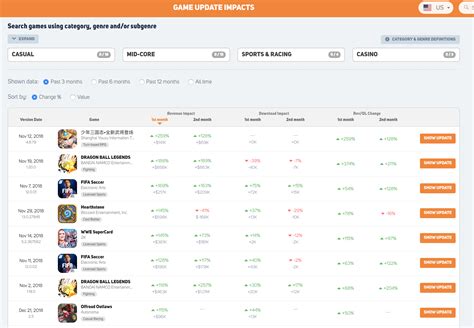
Deciding when to update a review is crucial. It shouldn’t happen with every minor patch, but rather for significant milestones. These could include major seasonal updates, large content expansions, substantial overhauls to core systems, or a significant shift in the game’s monetization strategy. The trigger should be an update that genuinely alters the player experience enough to warrant a re-evaluation.
When an update occurs, reviewers should provide a clear summary of what has changed, how it affects previous assessments, and if a score is present, explain the rationale behind any alteration. Using version numbers or named updates helps readers track the evolution. For instance, a review might note, “Updated for ‘Season 5: Echoes of the Past’ on October 26, 2023.”
Transparency and Ethical Considerations
Reviewers of live-service games carry a particular responsibility to be transparent. Clearly stating that a review is subject to change, providing a full update log, and disclosing any early access or review code provided by the publisher are all critical for maintaining trust. Reviewer fatigue is also a real concern; it’s impossible to play every single update for every live-service game. Prioritize major updates and be upfront about the scope of the re-evaluation.
Ultimately, the goal is to provide value to the reader, guiding them through the dynamic world of live-service gaming with an informed and evolving perspective, rather than a single, quickly outdated opinion.