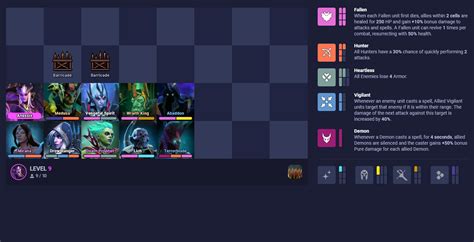
How to spot meta shifts early & adapt builds before they become obsolete?

Understanding the Ever-Shifting Landscape of Game Meta
In the fast-paced world of competitive gaming, whether it’s an RPG, MOBA, FPS, or strategy game, the ‘meta’ is a dynamic force that dictates optimal strategies, character choices, and build paths. The meta, short for ‘most effective tactic available,’ is constantly evolving, influenced by developer patches, new content releases, and player innovation. Failing to keep pace with these shifts can quickly render your once-dominant builds and strategies ineffective, leaving you struggling against opponents who have already adapted.
Staying ahead of the curve isn’t just about raw mechanical skill; it’s about strategic foresight and the ability to interpret subtle cues that signal an impending meta shift. By developing this skill, you can transition your builds smoothly, maintaining a competitive edge rather than constantly playing catch-up.

Early Warning Signs: What to Look For
Spotting a meta shift isn’t always about reading patch notes a day early. Often, the signs are more subtle, emerging before official changes or widespread community consensus. Here’s what to pay attention to:
- Developer Previews & PBE/Test Servers: If your game has a public test realm or regularly announces upcoming changes, these are your earliest indicators. Even minor numerical adjustments can have cascading effects.
- Pro Player & High-Rank Streams: Top-tier players often experiment with new builds or characters first. Observing their choices, even in non-official matches, can provide clues about what they believe will be strong next.
- Niche Community Discussions: Dedicated forums, Discord servers, and content creators often delve deeper into theoretical builds and less obvious interactions. Keep an eye out for discussions on unexpectedly strong synergies or overlooked mechanics.
- Win Rate Outliers: After a patch, monitor statistical websites for characters, items, or strategies that show an abnormal spike or dip in win rate, even if their pick rate hasn’t dramatically changed yet. These are often indicators of newfound strength or weakness.
Leveraging Data and Community Insights
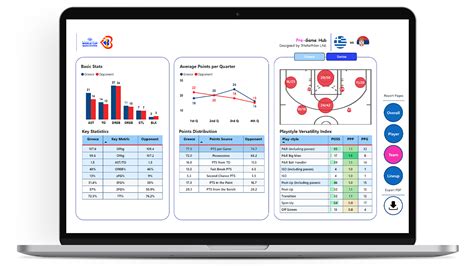
While intuition plays a role, concrete data is invaluable. Modern gaming offers a wealth of statistical resources that track everything from champion pick rates and win rates to item purchase trends and ability effectiveness. Regularly consulting these sites (e.g., op.gg, dotabuff, mobalytics, etc., depending on your game) can provide an objective view of the meta’s direction.
Beyond raw numbers, engage with your game’s community. Watch analysis videos from reputable content creators, read deep-dive articles, and participate in discussions. Often, collective intelligence can piece together fragments of information into a cohesive understanding of the new meta before it becomes widely adopted.
Proactive Adaptation: Modifying Your Builds
Once you’ve identified a potential shift, the next step is to adapt. This doesn’t always mean abandoning your favorite characters or playstyles entirely; often, it’s about intelligent modification:
- Itemization Flexibility: Can you swap out one item for another that counters the emerging threat or synergizes better with newly buffed mechanics? Sometimes a single item change can entirely re-contextualize a build.
- Skill Order Adjustments: A seemingly minor buff or nerf to an ability might necessitate changing your ability leveling priority to maximize its effectiveness.
- Character Pool Expansion: While specialization is good, having a small pool of characters you can play effectively, each viable in different meta conditions, makes adaptation much smoother.
- Rune/Talent/Mastery Changes: These systems often have significant impacts on early game power or scaling. Adjusting them to suit the new meta’s pace (e.g., faster aggressive builds vs. slower scaling ones) can be critical.
Experimentation and Practice: Solidifying Your New Builds
Theorycrafting is just the first step. To truly adapt, you need to put your new builds and strategies into practice. Start in less competitive environments, like unranked queues or custom games, to get a feel for the changes. Pay attention to how the new build feels, what its new power spikes are, and how it interacts with common opponents.
Don’t be afraid to fail. Experimentation involves trial and error. The goal is not just to copy a top-tier build but to understand *why* it’s strong in the current meta. This deeper understanding will allow you to make your own informed decisions as the meta continues its inevitable evolution. Continuous learning and a willingness to step outside your comfort zone are key to long-term success.

Conclusion: The Edge of Continuous Learning
The ability to spot meta shifts early and adapt your builds before they become obsolete is a hallmark of truly skilled and adaptable players. It transforms you from a reactive participant into a proactive strategist. By combining careful observation, data analysis, community engagement, and a commitment to experimentation, you can ensure your builds remain relevant, powerful, and always a step ahead of the competition. The meta waits for no one, but with the right approach, you can ride its waves rather than be drowned by them.