How to spot outdated or malicious game mods within community discussions?

The Hidden Dangers of Unchecked Game Mods
Game modifications, or mods, can dramatically enhance your gaming experience, adding new content, improving graphics, or streamlining gameplay. However, the open nature of modding communities also presents risks. Outdated mods can cause crashes, introduce compatibility issues, or even corrupt save files. Far more dangerously, malicious mods can hide malware, keyloggers, or ransomware, jeopardizing your personal data and system security. Navigating these waters safely requires a keen eye and critical thinking, especially when sifting through community discussions.
Red Flags in Community Discussions: What to Watch For
Community forums, Reddit threads, and Discord servers are rich sources of information, but they can also be echo chambers or even platforms for spreading misinformation. Here are critical red flags to identify:
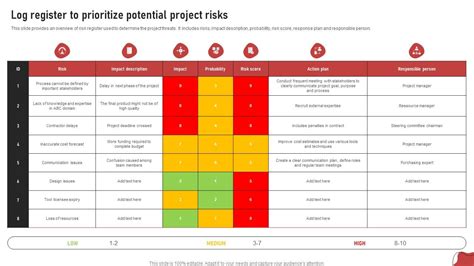
- Lack of Recent Activity or Updates: If a mod hasn’t been updated in years, especially for a game that regularly receives patches, it’s a prime candidate for compatibility issues. Discussions might show numerous reports of crashes after recent game updates, with no developer response.
- Unresolved Bug Reports & Stability Issues: Scan for recurring complaints about game instability, crashes, or broken features directly linked to the mod. A high volume of unaddressed critical bugs is a major warning sign.
- Suspicious Links & Download Sources: Be extremely wary of links that lead to obscure file-sharing sites, non-official forums, or personal cloud storage. Reputable mods are typically hosted on well-known platforms like Nexus Mods, ModDB, or the game’s official modding portal. Malicious actors often try to bypass security checks of these platforms.
- Vague or Overly Enthusiastic Endorsements: While positive feedback is good, be cautious of comments that are overly generic, lack specific details about the mod’s features, or seem to aggressively push the mod without addressing any potential drawbacks. These could be fake reviews.
- Reports of Malware or Data Theft: This is the most serious red flag. Any mention of the mod causing anti-virus alerts, stealing account credentials, or unusual system behavior should prompt immediate avoidance. Cross-reference these reports across multiple platforms if possible.

Green Lights: Identifying Trustworthy Mods
Conversely, several indicators can point you towards safe and well-maintained mods:
- Active Developer & Changelogs: A mod author who regularly updates their mod, responds to bug reports, and maintains a clear changelog demonstrates commitment and reliability. This suggests the mod is likely kept up-to-date with game patches and performance improvements.
- Positive, Detailed Feedback: Look for comments that offer specific praise, discuss successful installations, and share helpful tips. This indicates genuine user experience and community engagement.
- Clear Installation Instructions & Support: Well-documented mods usually come with comprehensive installation guides, troubleshooting tips, and an active support section where the author or community members help resolve issues.
- Trusted Hosting Platforms: As mentioned, mods hosted on platforms like Nexus Mods or ModDB often undergo some level of moderation and user scrutiny, making them generally safer choices.
- Community Verification & Endorsements: When experienced modders or respected community members vouch for a mod, it adds a layer of trust. Look for “staff picks,” “highly endorsed,” or similar indicators on modding sites.
- Open-Source Code (if applicable): For those with technical know-how, open-source mods allow for peer review, meaning the code can be inspected by anyone for malicious intent.
Best Practices for Modding Safely
Beyond evaluating community discussions, adopt these habits for a safer modding experience:
- Always Back Up Your Save Files: Before installing any new mod, especially large ones, create a backup of your game’s save files. This is your insurance policy against corruption.
- Use a Mod Manager: For games with extensive modding scenes, a dedicated mod manager (like Vortex for Nexus Mods, or MO2) can simplify installation, conflict resolution, and uninstallation, significantly reducing the risk of a broken game.
- Read Everything: Don’t just download and install. Read the mod description, known issues, requirements, and crucially, the comments section and bug reports.
- Cross-Reference Information: If you find a mod on one forum, search for it on others. Do people have similar experiences? Are there conflicting reports?
- Run Security Scans: If you download a mod from an unfamiliar source, consider running a quick anti-virus scan on the downloaded file before executing or installing it.
- Exercise Caution with Executables: Be exceptionally careful with mods that require running an executable (.exe) file outside of a standard mod manager installation process. These are prime vectors for malware.

Conclusion
While the modding community is largely filled with passionate and helpful individuals, it’s not immune to risks. By understanding the signs of outdated or malicious content within community discussions and adopting responsible modding practices, you can enjoy the vast world of game modifications without compromising your gaming experience or digital security. Stay vigilant, read carefully, and trust your instincts.