How to structure an effective daily practice routine for climbing competitive Esports ranks?

The Foundation: Why Structure is Non-Negotiable
In the high-stakes world of competitive Esports, natural talent can get you started, but consistent rank climbing and sustained success demand more than just raw skill. It requires discipline, strategic thinking, and, most importantly, a meticulously structured daily practice routine. Top-tier players aren’t just playing; they are training with purpose, dissecting their gameplay, and continuously refining every aspect of their craft. Without a plan, practice can devolve into aimless grinding, leading to stagnation and burnout. An effective routine transforms casual play into deliberate skill development, ensuring every hour spent contributes to your competitive edge.
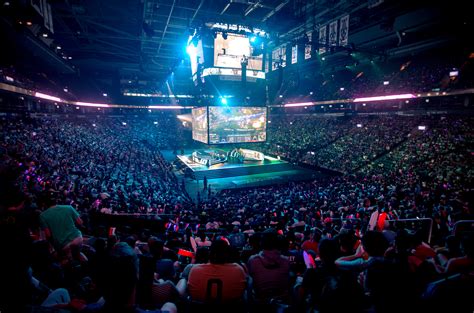
Pillars of an Effective Esports Practice Routine
A robust daily schedule isn’t just about logging hours; it’s about allocating those hours to specific activities that foster growth. Here are the core components:
1. Skill-Specific Drills and Mechanics Practice
Every competitive game has fundamental mechanics that need constant refinement. Whether it’s last-hitting in a MOBA, aim training in an FPS, or complex combo execution in a fighting game, dedicating time to isolated drills is paramount. This phase focuses on muscle memory, precision, and efficiency without the pressure of a live match. Use custom maps, training modes, or third-party aim trainers to target specific weaknesses.
2. VOD Review and Analytical Sessions
Perhaps the most overlooked, yet crucial, aspect of improvement is post-game analysis. Recording and reviewing your own gameplay (VODs – Video on Demand) allows you to objectively identify mistakes, understand decision-making flaws, and recognize missed opportunities. This isn’t just about pointing out errors; it’s about asking “why” and developing strategies to prevent recurrence. Watching professional players’ VODs with an analytical eye can also provide valuable insights into optimal strategies and execution.
3. Focused Scrims and Ranked Play
While drills build individual skills, competitive matches integrate them into a team or opponent-driven environment. Scrims (practice matches against other organized teams) offer a controlled setting to test strategies, improve communication, and synchronize teamwork. Ranked play, on the other hand, provides the pressure of real stakes, forcing you to perform under duress and adapt to varied opponents. Both are essential, but the key is to play with purpose, focusing on specific learning objectives rather than just the outcome.
4. Physical and Mental Conditioning
Esports is mentally and physically demanding. Long hours of focused play can lead to fatigue, eye strain, and poor posture, impacting performance. Incorporate short physical breaks, stretching, and eye exercises into your routine. Mental resilience, stress management, and maintaining a positive mindset are equally important. Meditation, mindfulness exercises, and adequate sleep significantly contribute to sustained peak performance and preventing burnout.

Building Your Daily Practice Schedule: A Template
While individual schedules will vary, a common structure can be adapted:
Phase 1: Warm-up (30-60 minutes)
- Physical Warm-up: Light stretching, quick walk, eye exercises.
- Mental Warm-up: Review notes from previous sessions, light cognitive exercises.
- In-Game Warm-up: Basic drills to get mechanics sharp, practice aim or movement patterns.
Phase 2: Core Practice Block (2-4 hours)
- Skill-Specific Drills: 60-90 minutes focused on identified weaknesses (e.g., aim maps, combo practice).
- Focused Scrims/Ranked Play: 1-2 hours of intentional gameplay with specific objectives (e.g., “focus on minimap awareness,” “practice new champion/agent”).

Phase 3: Analysis and Review (60-90 minutes)
- VOD Review: Analyze 1-2 of your recent games. Focus on critical moments and decision-making. Take notes.
- Theory Crafting/Strategy Discussion: Read guides, watch pro player streams analytically, discuss strategies with teammates.
Phase 4: Cool-down & Preparation (30 minutes)
- Physical Cool-down: Stretching, light activity away from the screen.
- Mental Cool-down: Relaxing activity, mindfulness.
- Preparation for Tomorrow: Briefly outline objectives for the next practice session.

Customizing and Adapting Your Routine
A template is a starting point, but an effective routine is always personal and dynamic. Consider these factors:
- Game Specifics: A routine for a tactical FPS will differ from an RTS or a fighting game. Tailor your drills and analysis to your game’s unique demands.
- Personal Weaknesses: Regularly assess your biggest weaknesses and allocate more time to addressing them. Is your aim inconsistent? Dedicate more to aim drills. Do you struggle with late-game shot-calling? Focus VOD reviews on those moments.
- Flexibility and Listen to Your Body: Life happens, and some days you might feel less sharp. It’s okay to adjust. Pushing through severe fatigue can lead to poor quality practice and reinforce bad habits. A rest day can sometimes be more productive than a forced practice day.
- Avoid Burnout: Incorporate hobbies outside of gaming, spend time with friends and family, and ensure you have adequate sleep. Esports is a marathon, not a sprint.

Conclusion: Consistency is King
Climbing competitive Esports ranks is a journey that demands dedication, strategic thinking, and, above all, consistency. A well-structured daily practice routine provides the framework for deliberate improvement, turning hours into tangible skill gains. By incorporating skill-specific drills, rigorous VOD analysis, purposeful gameplay, and crucial physical and mental conditioning, you’re not just playing; you’re actively training to become a better, more resilient competitor. Remember to regularly review, adapt, and refine your schedule, always striving for efficiency and focusing on sustainable growth. Your next rank up isn’t just about talent—it’s about the disciplined effort you put in every single day.