How to structure an Indie Spotlight to maximize game discoverability & player engagement?
In the vast and ever-growing landscape of indie games, standing out is more challenging than ever. An Indie Spotlight, whether featured on a blog, website, or platform, serves as a crucial tool for cutting through the noise. However, simply showcasing a game isn’t enough; its structure must be meticulously planned to maximize both discoverability and player engagement. A well-crafted spotlight can transform a fleeting glance into a dedicated wishlist addition or even a purchase.
The Power of a Well-Crafted Indie Spotlight
Indie developers pour their passion and creativity into their projects, but without effective promotion, even the most innovative games can go unnoticed. Indie Spotlights offer a concentrated platform to highlight unique selling points, artistic vision, and the human story behind the development. They provide context and personality that a simple storefront page might lack, building a deeper connection with potential players.

Key Elements of an Effective Spotlight Structure
Captivating Introduction (The Hook)
Begin with an immediate attention-grabber. This could be a compelling question, a bold statement about the game’s unique concept, or a brief, evocative description of the player experience. The goal is to make the reader want to know more, instantly highlighting what makes this game different and exciting.
Deep Dive into Gameplay & Mechanics
This section is the core of the spotlight. Detail the core gameplay loops, innovative mechanics, and how they contribute to the player’s enjoyment. Use clear, descriptive language to explain how the game is played, what challenges it presents, and what rewards it offers. Avoid jargon where possible, or explain it clearly.
Developer’s Vision & Behind-the-Scenes
Humanize the project by sharing the developer’s journey. What was the inspiration? What challenges were overcome? What personal touches were infused into the game? This insight fosters a sense of connection and allows players to appreciate the effort and passion invested, often turning them into advocates for the game.
Visuals and Media Integration
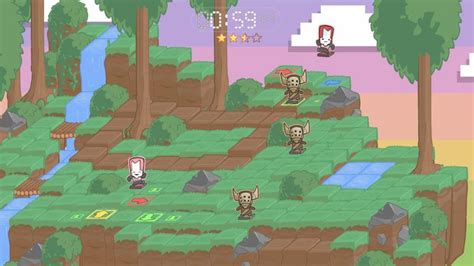
A picture is worth a thousand words, and a short video even more. Integrate high-quality screenshots, animated GIFs of key gameplay moments, and a compelling trailer. Show, don’t just tell. Visuals are critical for conveying the game’s aesthetic, atmosphere, and mechanics quickly and effectively.

Player Engagement Call-to-Actions (CTAs)
Every spotlight needs clear calls to action. Encourage readers to wishlist the game on Steam or their preferred platform, follow the developer on social media, join a Discord server, or sign up for a newsletter. Offer a direct path for interested players to stay updated and engage further.
Maximizing Discoverability Through Structure
SEO-Friendly Titles & Headings
Use keywords relevant to your game and genre in your spotlight’s title and subheadings. Think about what terms players would search for to find a game like yours. A clear, descriptive title that includes the game’s name and its core appeal is essential for search engine optimization (SEO).
Strategic Keyword Placement
Naturally weave relevant keywords throughout the body of the article. This includes the game’s name, genre, unique features, and even comparisons to popular titles (if appropriate). However, avoid keyword stuffing; the content must remain readable and valuable to human readers first.

Link Building Opportunities
Embed direct links to the game’s storefront page (e.g., Steam, Epic Games Store, Itch.io), the developer’s official website, social media profiles, and any available demos. These links are not only crucial for driving traffic but also contribute positively to your game’s SEO by building authority.
Boosting Player Engagement within the Spotlight
Storytelling & Narrative Flow
Structure the spotlight as a narrative. Start with the hook, delve into the details, explore the heart of the project, and conclude with a clear path forward for the player. A good story keeps readers engaged from beginning to end, making the information more memorable.
Interactive Elements & Questions
If the platform allows, consider adding interactive elements like polls about favorite genres or direct questions to the audience within the text. Encouraging comments and discussions at the end of the article can also significantly boost engagement and create a community around the spotlight.
Exclusive Content & Sneak Peeks
Offer something special within the spotlight – perhaps an exclusive screenshot, a never-before-seen concept art, or a small developer anecdote not found elsewhere. This rewards readers for their time and fosters a sense of insider knowledge, encouraging them to share the spotlight with others.

Conclusion: Shine Bright
An Indie Spotlight is far more than just an announcement; it’s a strategic marketing asset. By carefully structuring your spotlight with compelling content, strong visuals, SEO considerations, and clear calls to action, you can significantly enhance your game’s discoverability and cultivate a highly engaged player base. Invest the time in crafting a brilliant spotlight, and watch your game capture the attention it deserves.